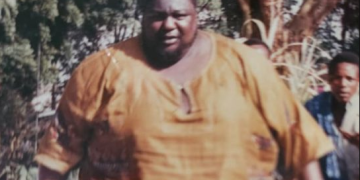
Henry Rono (born February 12, 1952) is a Kenyan long-distance running legend, best known for breaking four world records within an unprecedented 81 days in 1978 — a feat that remains unmatched in the history of athletics.
In October 2025, Washington State University (WSU) unveiled a bronze statue in his honor, immortalizing his contribution to global athletics and his role as a pioneer who transformed distance running. The statue, standing 2.13 meters tall and weighing 159 kilograms, was sculpted by Ott Jones, a WSU alumnus, and placed near Mooberry Track, where Rono trained during his collegiate years.
Rono’s story reflects the triumph of talent, resilience, and determination — a journey from the rural hills of Kapsabet, Kenya, to the international stage, where he became a symbol of excellence and endurance.
Early Life and Education
Henry Rono was born in Kapsabet, located in Kenya’s Rift Valley region, an area renowned for producing world-class distance runners. Growing up in a modest rural setting, he developed endurance early in life, often running long distances to and from school.
He attended St. Patrick’s High School, Iten, under the mentorship of Brother Colm O’Connell, the Irish missionary coach famous for nurturing Kenyan athletic talent. Rono’s talent quickly stood out in national school competitions, earning him recognition as one of Kenya’s most promising young athletes.
In 1973, Rono joined the Kenyan Army, which provided him with access to structured training and exposure to national-level competition. His outstanding performances attracted attention from international scouts, and in 1976, he was awarded an athletic scholarship to Washington State University in Pullman, Washington, USA.
At WSU, he studied Special Education while training under the legendary coach John Chaplin, who refined his running technique, endurance, and mental focus. His time in the U.S. marked the beginning of his meteoric rise in world athletics.
Athletic Career and Achievements
Between 1978 and 1982, Henry Rono achieved a series of performances that redefined long-distance running.
In spring 1978, while still a student at WSU, Rono accomplished the unthinkable — setting four world records in just 81 days:
- 10,000 meters – 27:22.5 (California)
- 5,000 meters – 13:08.4
- 3,000 meters steeplechase – 8:05.4
- 3,000 meters flat – 7:32.1
These feats were achieved without the advanced equipment, pacing systems, or financial sponsorships available to today’s athletes. His endurance and raw talent shocked the athletics world, establishing him as one of the greatest distance runners in history.
Rono also dominated collegiate competitions, representing Washington State University in NCAA championships, where he consistently won and set new meet records.
Internationally, he represented Kenya in major competitions such as the Commonwealth Games and All-Africa Games, earning multiple medals and global admiration.
However, his career also faced challenges. The 1980 Moscow Olympics boycott deprived him of the opportunity to compete at the world’s biggest stage during his prime. Later, personal struggles — including alcoholism and financial hardship — affected his post-competition years.
Despite these setbacks, his records stood as a testament to his extraordinary ability and competitive spirit.
Legacy and Recognition
Henry Rono’s legacy extends far beyond his world records. He remains a trailblazer for Kenyan athletes, inspiring generations of distance runners such as Eliud Kipchoge, David Rudisha, and Ezekiel Kemboi.
His achievements at WSU opened doors for young Kenyan runners to secure sports scholarships abroad, shaping Kenya’s global dominance in distance running for decades.
In 2025, Washington State University honored his contributions by unveiling a bronze statue on campus — a tribute to both his athletic brilliance and enduring resilience. The monument, unveiled during Pullman’s Lentil Festival, captures Rono in mid-stride, symbolizing motion, purpose, and the unwavering pursuit of greatness.
The ceremony was attended by WSU students, alumni, and athletics officials, marking a historic moment of pride for both Kenya and the university.
Personal Life and Later Years
After retiring from competitive athletics, Rono became an advocate for education and youth empowerment, using his life story to inspire young athletes to value discipline, humility, and perseverance.
He returned to Kenya for a period before later settling between Kenya and the United States, dedicating his time to mentorship and motivational speaking. His story of triumph, loss, and redemption continues to inspire athletes worldwide.
Net Worth and Impact
Although Henry Rono did not amass great financial wealth during his athletic career — given that the era lacked modern sponsorship deals — his legacy is immeasurable. His estimated net worth remains modest, yet his influence in global athletics and Kenyan sports culture is priceless.
Rono’s career symbolizes how discipline and determination can propel an individual from rural obscurity to international acclaim, leaving a permanent mark on history.
Legacy in Bronze
The bronze statue at Washington State University serves as a lasting reminder of Rono’s historic accomplishments and his pioneering role in Kenyan athletics. It immortalizes his journey from a barefoot runner in Kapsabet to a global legend whose achievements continue to inspire countless athletes around the world.
As the sunlight glints off the statue’s bronze surface near Mooberry Track, it tells the enduring story of a man who ran against time — and won.