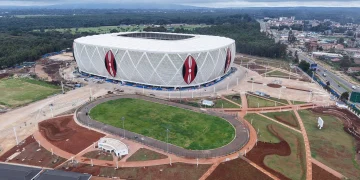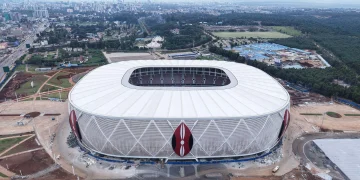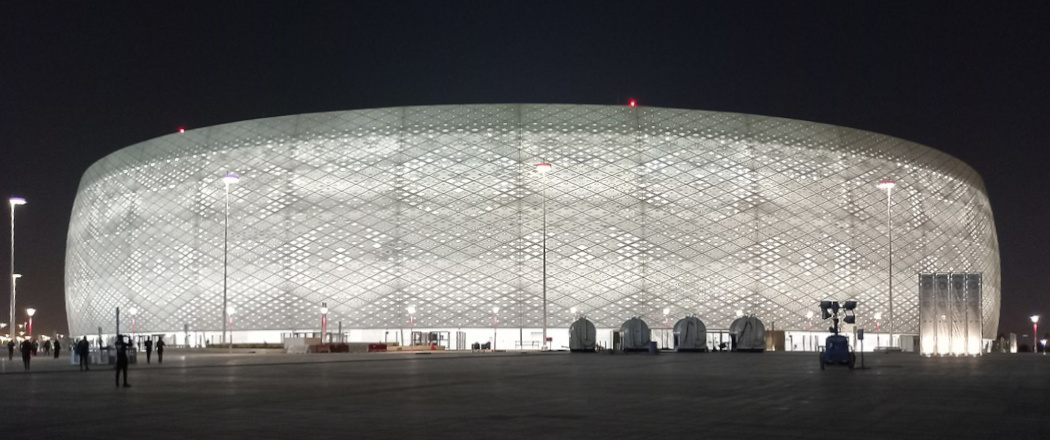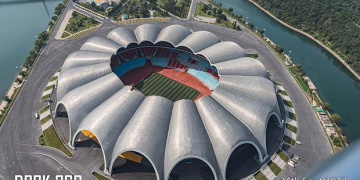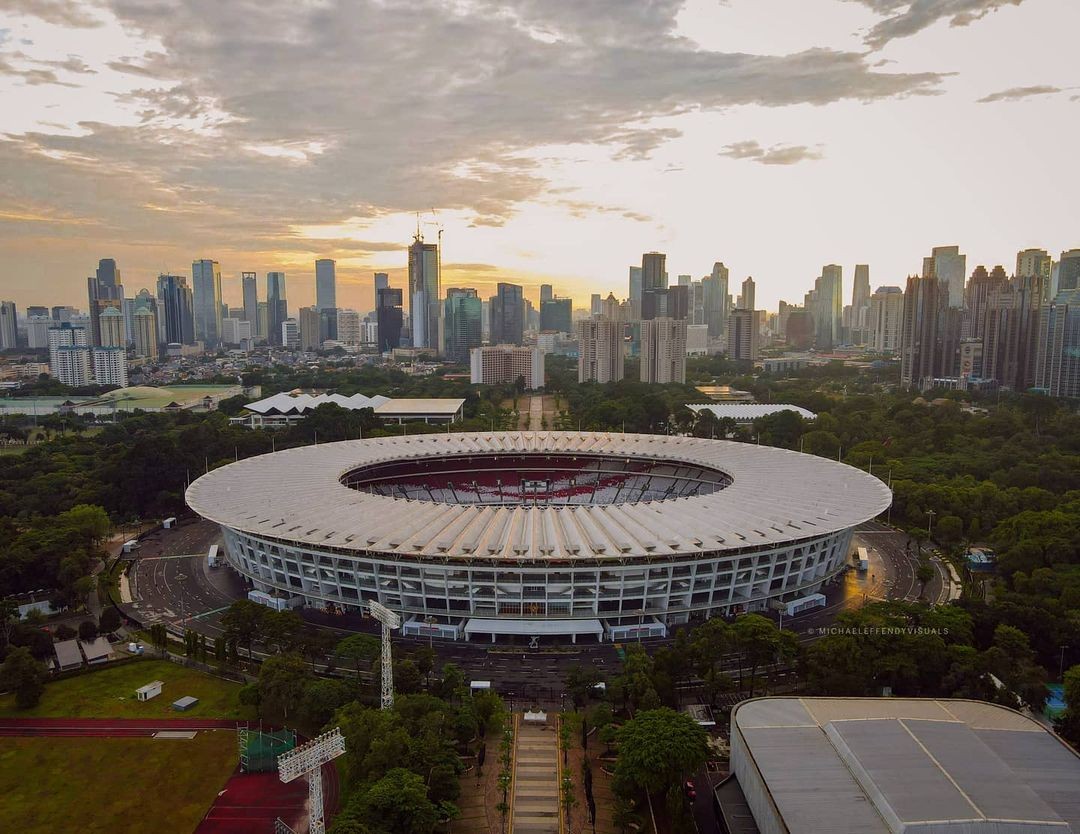
Gelora Bung Karno Stadium, located in Jakarta, Indonesia, is the largest sports venue in the country with a capacity of 77,193 spectators. Named after Indonesia’s first president, Sukarno (Bung Karno), this iconic stadium has been at the heart of Indonesia’s sports culture since its inauguration in 1962. It is part of the larger Bung Karno Sports Complex, which hosts multiple sports facilities and is a prominent landmark in Jakarta.
History and Legacy
The Gelora Bung Karno Stadium was initially built to host the 1962 Asian Games. The stadium’s construction, which began in 1960, was a significant undertaking, supported by a loan from the Soviet Union. The project was completed in just two and a half years, with the official opening taking place on July 21, 1962.
The stadium’s original design was envisioned to hold 110,000 spectators, making it one of the largest in Asia at the time. However, its capacity was later reduced in line with modern safety standards, and in 2006, the addition of backrest seating further reduced the capacity to 88,083. The latest renovation between 2016-2018 ahead of the 2018 Asian Games led to an updated capacity of 77,193, with modern amenities and improved accessibility for fans, including facilities for disabled supporters.
Architecture and Design
The stadium’s distinctive roof structure was one of the most impressive designs when it was first unveiled in 1962. The roof forms a massive ring around the venue, which extends outwards, creating an imposing architectural feature. The roof is 320 meters long and 270 meters wide, and it houses floodlights mounted along its inner edge. The design and structural integrity of the roof were updated during the 2016-2018 renovation to ensure its longevity, and it now also features solar panels to support sustainability efforts.
In addition to the main stadium, the surrounding Bung Karno Sports Complex includes athletics tracks, football fields, hockey fields, and indoor arenas for various sports like badminton and volleyball. It is one of the most complete sports complexes in Southeast Asia, with modern facilities for both training and competitive events.
Sporting Events and International Competitions
Gelora Bung Karno Stadium has hosted a wide range of international sports events. It served as the primary venue for the 1962 Asian Games, and it continues to host major football and athletic events. The stadium was the venue for the 2007 AFC Asian Cup and has been used for various SEA Games and PON (National Sports Week) events.
The 2018 Asian Games were held in Jakarta, with the stadium hosting the opening and closing ceremonies, as well as multiple football matches. The stadium’s popularity has continued to rise, especially as Persija Jakarta, the city’s largest football club, often draws crowds exceeding 100,000 fans during major matches.
A Hub for Football and Other Sports
Gelora Bung Karno Stadium has been the home of the Indonesia national football team for many years and is the venue for domestic football competitions, including the Piala Indonesia (Indonesian FA Cup). The stadium has hosted several key international football matches, including World Cup qualifiers and AFF Championship matches.
In addition to football, the stadium is regularly used for athletic events, basketball tournaments, and other multi-sport competitions. It has also served as a venue for music concerts and cultural events.
Future Plans and Modernization
As Indonesia continues to grow in international sports, the Gelora Bung Karno Stadium remains a key facility for future events. The planned 2023 FIBA Basketball World Cup and the 2025 Gymnastics World Championships are some of the notable events scheduled to take place in the Indonesia Arena, a new indoor venue located within the Bung Karno Sports Complex.
Plans to modernize and expand the complex further are also in progress, with a focus on improving infrastructure and fan experience.
Conclusion
Gelora Bung Karno Stadium stands as a symbol of Indonesia’s sporting legacy, a venue that has witnessed historic moments and continues to serve as a key venue for international competitions. With its impressive architecture, world-class facilities, and central role in Indonesian football, it remains one of the most important sports venues in Southeast Asia.