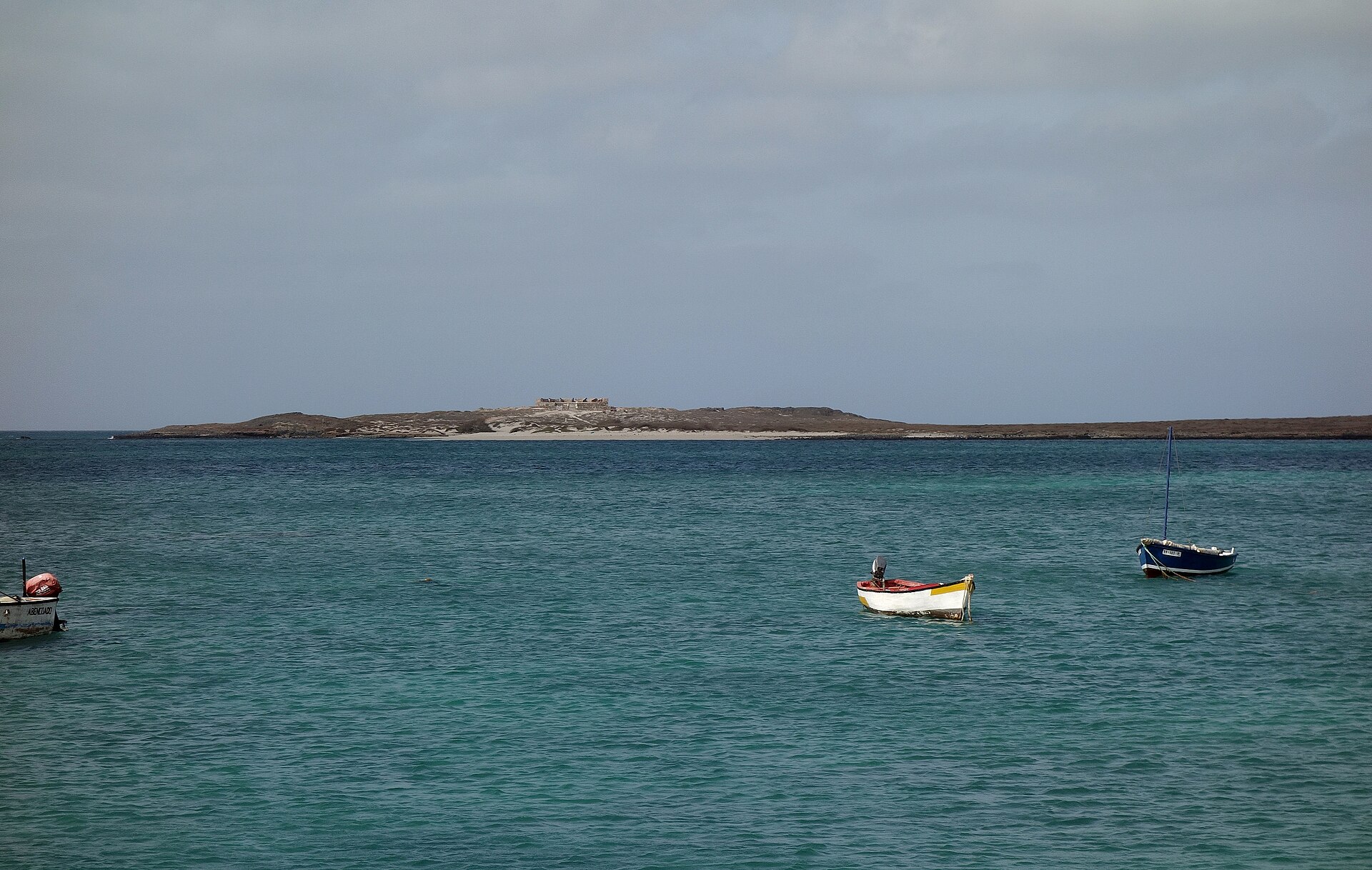
Located on Ilhéu de Sal Rei, a small islet just off the northwestern coast of Boa Vista in Cape Verde, the Forte Duque de Bragança is a ruined fortification that once played a vital role in the island’s colonial defense network. Built in 1818, the fort was named in honor of the Duke of Bragança, a prestigious Portuguese royal title. Though it now lies in ruins, the site has gained renewed attention thanks to archaeological excavations conducted by the University of Cambridge, shedding light on a time when piracy and international trade defined the strategic importance of this Atlantic outpost.
Historical Context: Piracy and the Salt Trade
During the 18th and early 19th centuries, Cape Verde was a key node in the Atlantic world, acting as a logistical and trading hub for ships crossing between Europe, Africa, and the Americas. The island of Boa Vista, in particular, was known for its salt production, a highly valuable commodity that attracted international trade—and with it, unwanted attention from pirates and raiders.
The anchorage off Sal Rei became a vulnerable target. Foreign ships, often drawn by the wealth generated by salt, began to pose a significant threat to both Portuguese settlers and the local economy. This led to repeated sackings of the settlement, notably in 1815 and 1817, when pirate raids devastated the town and exposed the island’s lack of adequate military defenses.
Construction of the Fort
In response to these attacks, Portuguese authorities commissioned the construction of a defensive structure on the nearby Ilhéu de Sal Rei, a small rocky islet strategically located to oversee the bay and anchorage of Sal Rei. The fort was completed in 1818, designed to serve both as a military outpost and a deterrent to piracy.
Named Forte Duque de Bragança, the fort’s location allowed it to monitor and control access to the coast. Its primary mission was to protect salt exports and maritime trade routes, as well as to secure Portuguese economic interests in the region. Although smaller than some mainland forts, it played an outsized role in ensuring the safety of one of Boa Vista’s most valuable industries.
Decline and Ruination
Despite its defensive advantages, the Forte Duque de Bragança saw limited use beyond the immediate threat period of the early 19th century. As the era of transatlantic piracy waned and naval powers established greater control over Atlantic waters, the fort’s military relevance diminished. Over time, it was abandoned and fell into disrepair.
Today, only the ruins of the fort remain, a crumbling but evocative reminder of Cape Verde’s colonial past and its place in the broader dynamics of Atlantic trade and conflict. The deterioration of the structure is largely due to natural erosion and neglect, but its significance has not been forgotten.
Archaeological Excavations and Cultural Legacy
In recent years, efforts to preserve and study the Forte Duque de Bragança have gained momentum. The University of Cambridge has undertaken archaeological excavations on the islet, uncovering aspects of the fort’s construction, use, and historical context.
These excavations aim to:
- Document the fort’s architectural features
- Analyze material remains related to Portuguese colonial military life
- Understand the broader impact of Atlantic piracy on settlement patterns and defensive strategies in the archipelago
Though modest in scale, the findings help illuminate Cape Verde’s strategic role in maritime history and contribute to a growing appreciation for the island’s cultural heritage.
Modern Relevance and Tourism
Although not yet fully developed as a major tourist site, the ruins of Forte Duque de Bragança hold potential as an attraction for visitors interested in history, archaeology, and Atlantic exploration. From Sal Rei, tourists can view the islet or arrange short boat trips to walk among the fort’s remains and experience the panoramic views once used to scout for enemy ships.
Its restoration or partial preservation could offer:
- Educational tours
- Historical reenactments
- Informational plaques and walking paths
- Integration into Cape Verde’s broader cultural tourism strategy
As Boa Vista continues to attract international tourism, sites like this fort may become valuable anchors for heritage-based travel experiences.
Conclusion
The Forte Duque de Bragança may lie in ruins today, but it embodies a critical chapter in the history of Cape Verde, a time when piracy, trade, and empire shaped the lives of those living on the island of Boa Vista. Built in the shadow of maritime violence and economic ambition, it now serves as a silent sentinel—a monument to the island’s resilience and a symbol of its enduring link to the Atlantic world.