

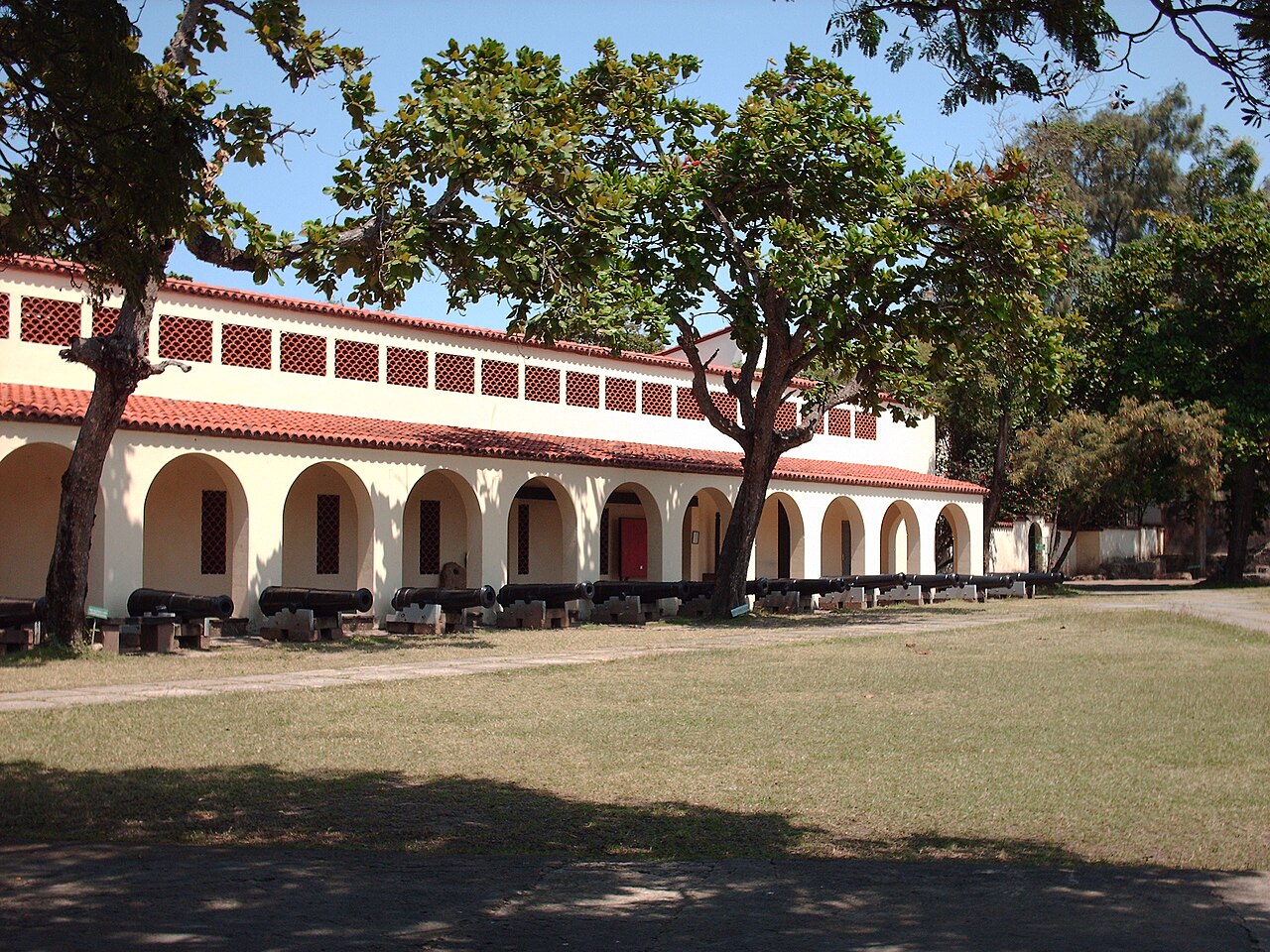
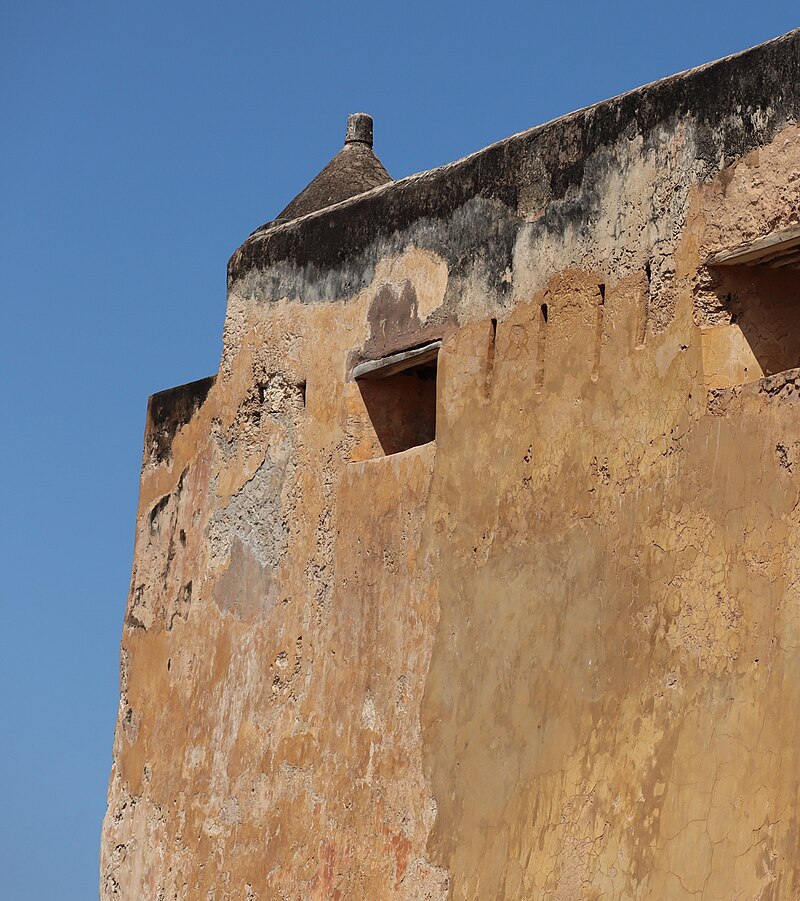
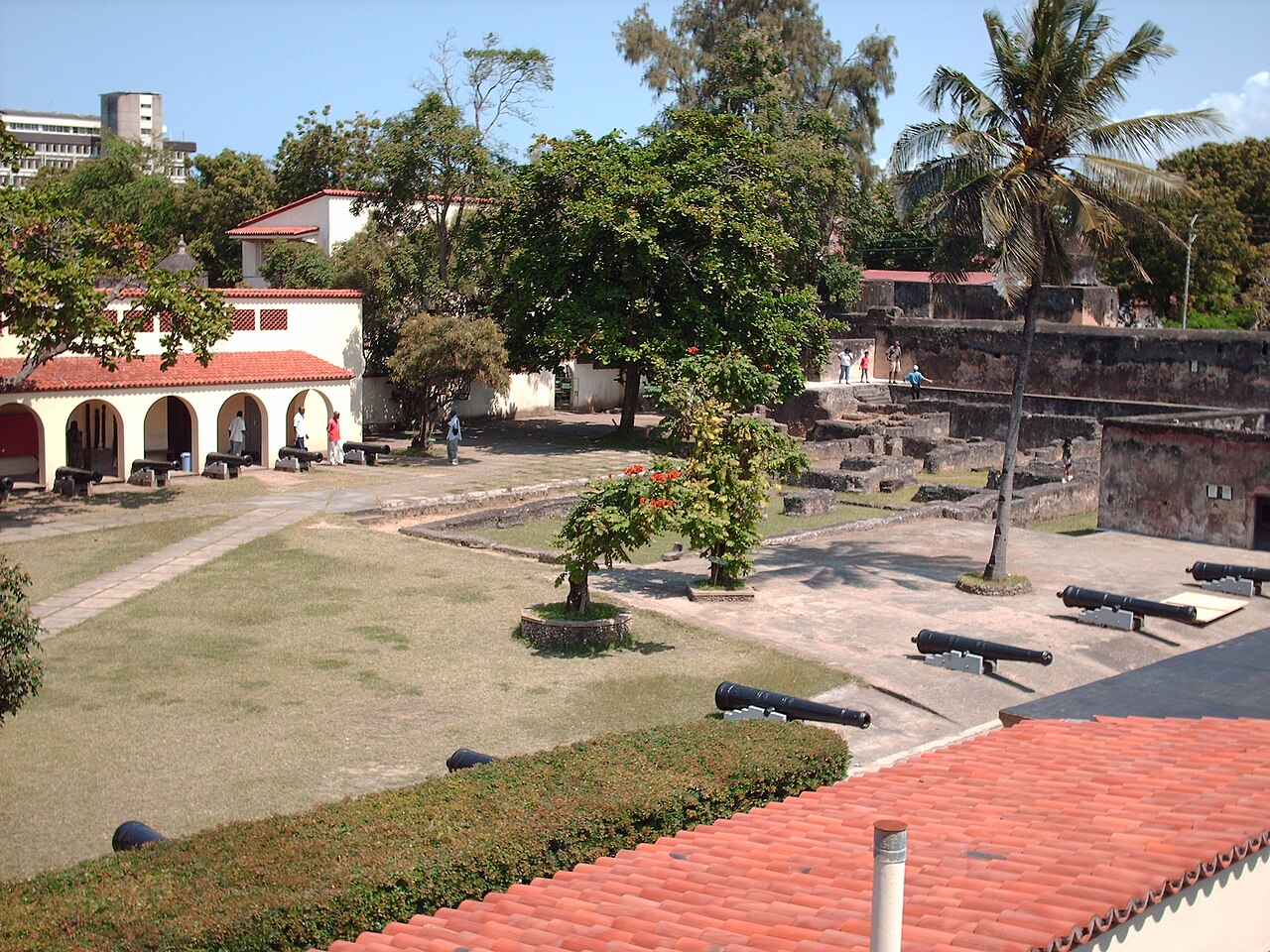
Standing watch over the Old Port of Mombasa, Fort Jesus (Forte Jesus de Mombaça) remains one of the most iconic and historically significant landmarks along the Swahili coast. Constructed by the Portuguese between 1593 and 1596, the fort was a strategic bulwark designed to control Indian Ocean trade and withstand attacks from rival European and Arab powers. Fort Jesus was not only a symbol of Portuguese imperial ambitions, but it also became a battleground in the centuries-long struggle for dominance over the East African coast.
Origins and Portuguese Design
King Felipe II of Spain, also reigning as Filipe I of Portugal, ordered the construction of Fort Jesus to secure Portuguese interests in East Africa. The structure was designed by Giovanni Battista Cairati, an Italian architect who served as the Chief Architect for Portuguese possessions in the East. Drawing inspiration from Renaissance architectural principles, particularly those of Pietro Cataneo, Cairati envisioned a fort capable of withstanding cannon warfare—a groundbreaking innovation for coastal fortresses outside Europe at the time.
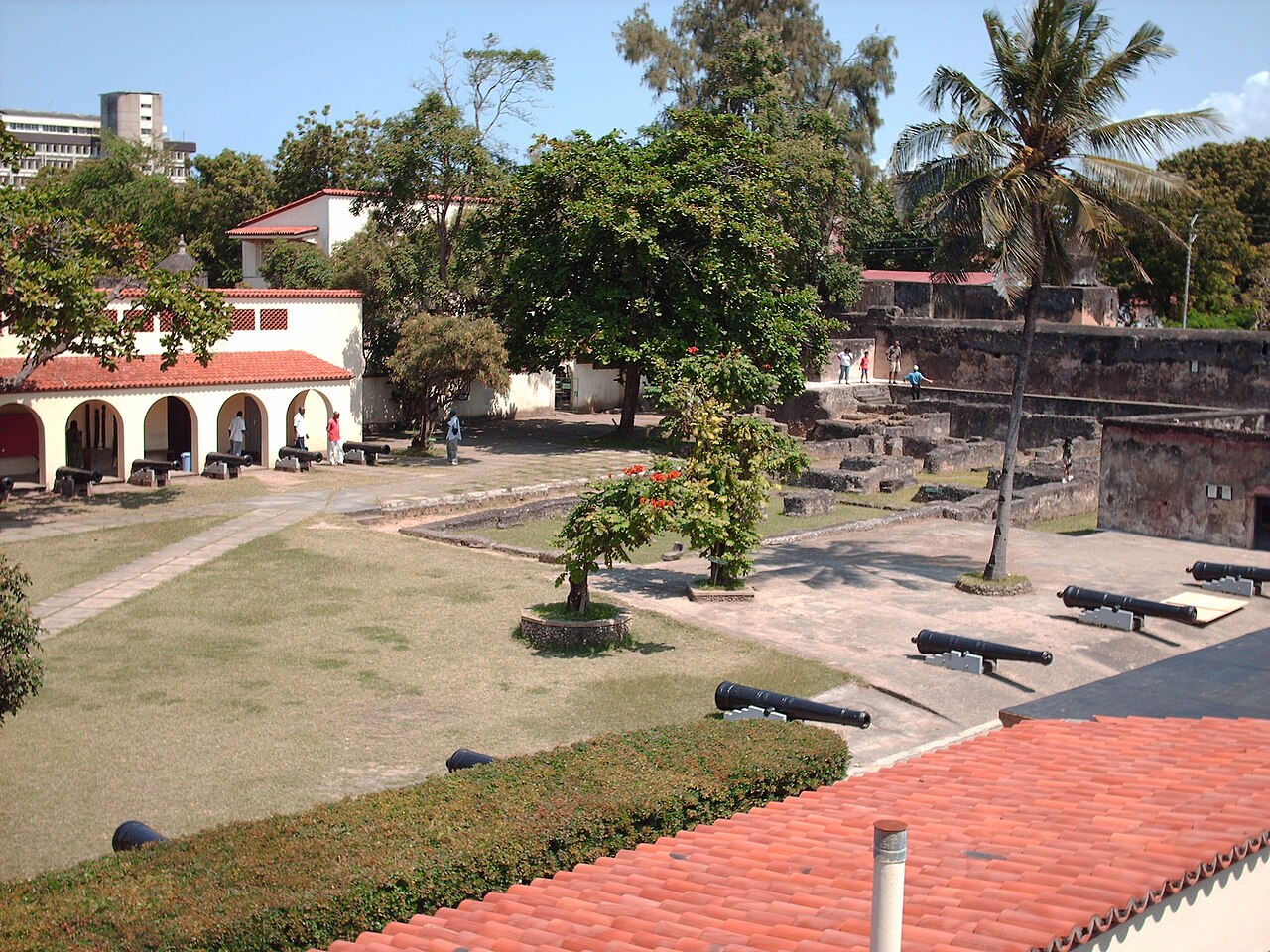
The fort was built in the form of a man lying on his back, viewed from above, with his head facing the sea. It features a square layout with four defensive bulwarks at the corners. While the architectural design was European, the construction involved local Swahili labor and materials, making Fort Jesus a hybrid product of European engineering and African craftsmanship.
Strategic Importance and Historical Conflicts
From the 17th to the 19th centuries, Fort Jesus became the focal point of a tug-of-war between empires. It was captured and recaptured at least nine times between 1631 and 1875, as Portuguese, Omani Arabs, and the British all vied for control of the Indian Ocean trade routes.
Key Historical Events:
- 1631: The fort was first lost by the Portuguese to Sultan Yusuf ibn al-Hasan of Mombasa.
- 1632: The Portuguese recaptured the fort and enhanced its defenses.
- 1696–1698: The Omani Arabs, led by Saif bin Sultan, laid siege to the fort for nearly three years—one of the longest sieges in the region’s history. The fort finally fell, marking the effective end of Portuguese dominance.
- 1728–1729: Brief re-occupation by the Portuguese with Swahili support.
- 1741–1837: Under local and Omani rule, the fort served primarily as a military barracks.
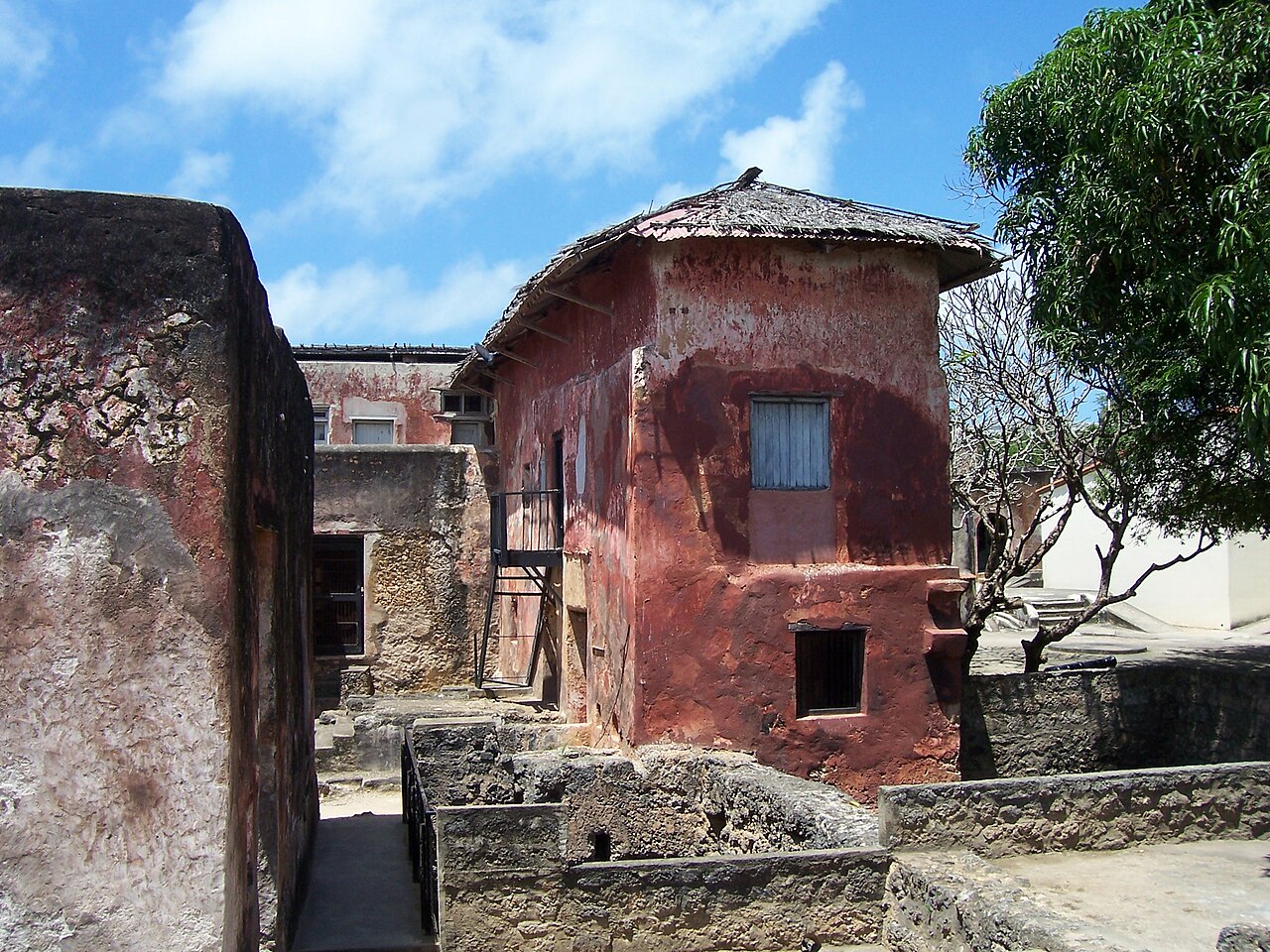
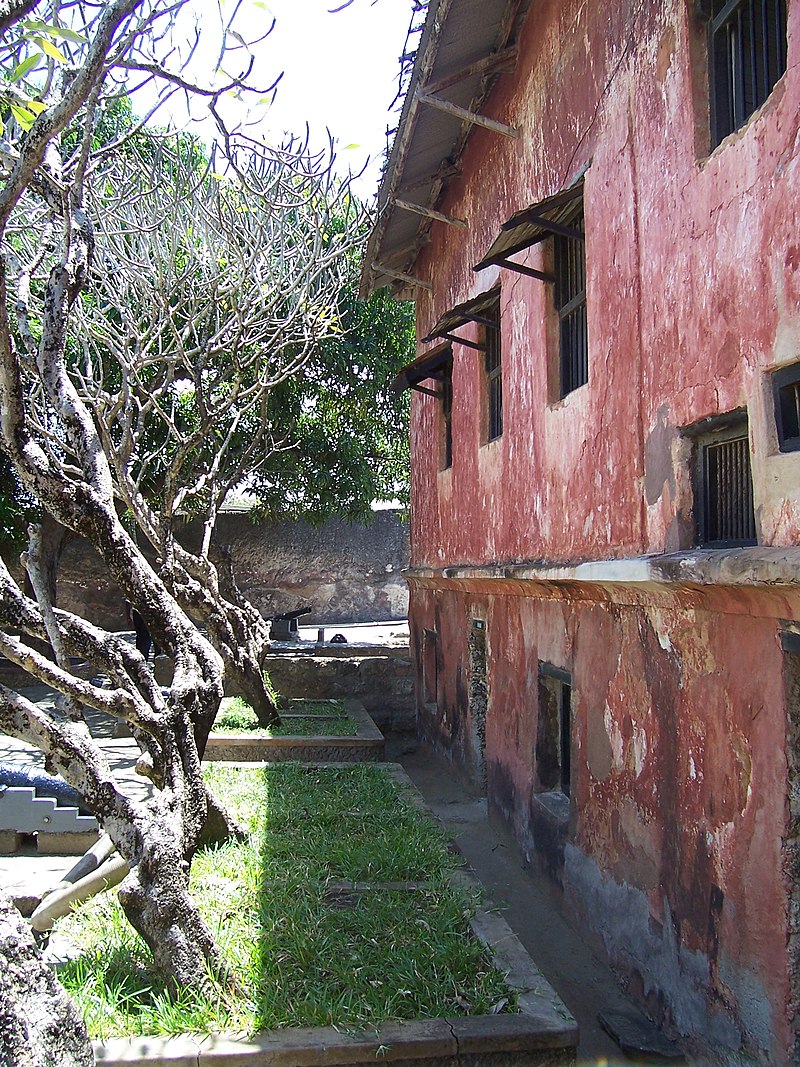
- 1895: The British occupied Fort Jesus following the establishment of the East Africa Protectorate, later converting it into a prison.
The fort’s repeated changes in control reflect its vital strategic role in regional geopolitics and maritime commerce.
Architectural Features and Multicultural Influences
Fort Jesus uniquely blends Portuguese, Arab, and British architectural elements, representing the successive powers that occupied it. Key features include:
- Portuguese-era structures such as the original 15-meter-high walls and long-range cannons (200m range).
- Omani modifications, including 3-meter extensions to the walls, inscriptions of Quranic verses, and a meeting hall supported by five pillars reflecting Islamic symbolism.
- British influences, including shorter cannons (300m range) and infrastructure for the prison system.
Surviving historical structures within the fort:
- Oman House: The residence of the Omani sultan.
- Portuguese rainwater cistern: Used for water harvesting.
- 76-foot deep well: Dug by Arabs, though the water was too salty for drinking.
The fort’s layout and durability made it one of the first European-style forts in Africa capable of withstanding cannon fire—a military marvel of the Renaissance era.
Transformation into a Museum and UNESCO Recognition
In 1958, Fort Jesus was declared a National Monument and converted into a museum, thanks to the efforts of archaeologist James Kirkman, who conducted excavations and restoration from 1958 to 1971. His work involved extensive research using historical texts and local accounts to reconstruct the fort’s multi-layered past.
In 2011, the UNESCO World Heritage Committee designated Fort Jesus as a World Heritage Site, recognizing it as one of the most outstanding and well-preserved examples of 16th-century Portuguese military fortifications. The designation highlighted not only the architecture but also the fort’s role in the history of global trade, conflict, and colonization.
Current Status and Tourism
Today, Fort Jesus is Mombasa’s most visited tourist attraction. It serves multiple purposes:
- Museum: Housing exhibits on the region’s history, trade, weaponry, and architecture.
- Research Hub: With ongoing historical and archaeological studies.
- Education Center: Hosting programs for students and conservationists.
- Conservation Lab & Old Town Office: Supporting the preservation of Mombasa’s cultural heritage.
The fort attracts thousands of local and international tourists each year and continues to be a powerful symbol of the city’s colonial past, resistance, and multicultural identity.
Legacy
Fort Jesus is not just a relic of Portugal’s imperial ambitions; it is a monument to centuries of conflict, cooperation, and cultural exchange between Africa, Europe, and the Middle East. Its architectural evolution and strategic significance tell the story of how global empires clashed and coexisted along East Africa’s coast.