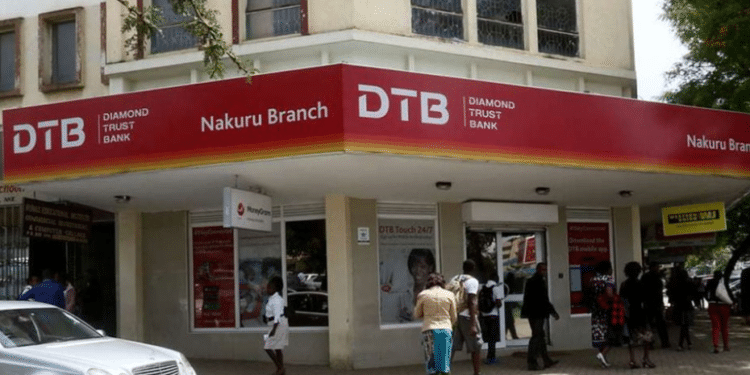
The DTB Home Loan is positioning itself as a competitive mortgage financing option in Kenya’s banking sector as demand for accessible property ownership continues rising. Offered by Diamond Trust Bank, the mortgage provides borrowers with long-term financing at variable rates starting from 9.0% per annum.
Unlike KMRC-subsidised SACCO mortgages, the DTB Home Loan operates under a market-linked pricing structure tied to the Central Bank Rate (CBR) alongside customer-specific risk premiums. This means borrowing costs may change over time depending on monetary policy and borrower risk assessment.
For Kenyan professionals, business owners, and middle-income households seeking home ownership financing, the mortgage combines relatively low entry requirements with repayment periods extending up to 20 years.
Read Also: Ollin Sacco Contacts and Loans Guide
About the DTB Home Loan
The DTB Home Loan supports residential property acquisition through structured long-term financing.
Key Features
| Feature | Details |
|---|---|
| Interest Rate | 9.0% p.a. |
| Rate Structure | Variable (CBR + customer-specific premium) |
| Maximum Tenure | 20 years |
| Minimum Deposit | 10% |
| Monthly Repayment | KES 13,234 per KES 1M |
| Insurance Required | Yes |
| KMRC Support | No |
| Provider | DTB (Diamond Trust) |
| Regulatory Status | Regulated |
Borrowers must also maintain:
- Life insurance
- Building insurance
These protections help secure both the borrower and the lender against major financial risks.
Why the DTB Home Loan Matters
Kenya’s mortgage sector remains highly competitive as banks and SACCOs seek to attract borrowers amid growing urban housing demand.
Several trends are reshaping the market:
- Rising demand for affordable housing
- Increased middle-class property ownership
- Expanding mortgage awareness
- More flexible lending products
- Growing competition from SACCO mortgages
The DTB Home Loan stands out because of:
- Lower deposit requirements
- Long repayment periods
- Variable pricing flexibility
- Structured banking support
The 10% deposit threshold also improves accessibility for many first-time buyers.
Understanding Variable Mortgage Rates
The DTB Home Loan uses a variable interest rate structure tied to:
- The Central Bank Rate (CBR)
- Customer-specific risk premium
This means mortgage pricing may rise or fall depending on Kenya’s broader interest rate environment.
Benefits of Variable Rates
Variable-rate mortgages may offer:
- Lower starting rates
- Flexibility during declining interest cycles
- Potential repayment savings
However, borrowers also face repayment uncertainty if market rates increase.
Fixed vs Variable Mortgage Comparison
| Feature | Fixed Mortgage | Variable Mortgage |
|---|---|---|
| Repayment Stability | High | Moderate |
| Exposure to Rate Changes | Low | High |
| Initial Pricing | Sometimes higher | Often lower |
| Long-Term Flexibility | Limited | Stronger |
Borrowers comfortable with market-linked repayment changes may benefit more from variable-rate structures.
Read Also: Southern Star Sacco Contacts and Loans Guide
Monthly Repayment Breakdown
The DTB Home Loan estimates repayments at approximately KES 13,234 monthly per KES 1 million borrowed.
Example Monthly Repayments
| Loan Amount | Estimated Monthly Repayment |
|---|---|
| KES 1 million | KES 13,234 |
| KES 2 million | KES 26,468 |
| KES 3 million | KES 39,702 |
| KES 5 million | KES 66,170 |
Actual repayments may vary depending on:
- Interest rate adjustments
- Loan tenure
- Insurance costs
- Individual borrower pricing
Borrowers should request updated amortization schedules before signing final agreements.
Deposit Requirements Explained
The DTB Home Loan requires a minimum deposit of 10%.
Example Property Financing Structure
| Property Value | Minimum Deposit | Estimated Financing |
|---|---|---|
| KES 5 million | KES 500,000 | KES 4.5 million |
| KES 8 million | KES 800,000 | KES 7.2 million |
| KES 10 million | KES 1 million | KES 9 million |
A lower deposit requirement can accelerate access to home ownership, especially for salaried borrowers.
However, buyers should still prepare for:
- Stamp duty
- Legal fees
- Valuation fees
- Insurance premiums
- Registration expenses
Insurance Requirements
Mortgage insurance forms a mandatory part of the financing structure.
Life Insurance
Life insurance helps settle outstanding loan obligations if the borrower dies during the repayment period.
Building Insurance
Building insurance protects the financed property against risks such as:
- Fire
- Structural damage
- Natural disasters
Banks generally require these protections throughout the mortgage tenure.
Read Also: TAIFA Sacco Contacts and Loans Guide
Eligibility Requirements
Applicants typically need:
- National ID
- KRA PIN
- Payslips or proof of income
- Bank statements
- Property documentation
The bank also performs:
- Credit assessment
- Property valuation
- Legal review
- Income verification
Borrowers with stronger credit profiles may qualify for more favorable pricing.
Risks to Consider
Although the DTB Home Loan offers relatively competitive entry pricing, borrowers should understand the risks associated with variable-rate financing.
Key Risks
- Rising interest rates
- Increased monthly repayments
- Long-term debt obligations
- Inflation pressures
- Property market fluctuations
Variable-rate mortgages can become more expensive during periods of monetary tightening.
Borrowers should stress-test affordability against future rate increases before committing.
DTB Home Loan vs SACCO Mortgages
Comparison Table
| Feature | DTB Home Loan | SACCO Mortgage |
|---|---|---|
| Interest Structure | Variable | Often fixed |
| Accessibility | Credit-based | Membership-based |
| Deposit Requirement | 10% | Varies |
| Flexibility | Higher | Moderate |
| Repayment Certainty | Lower | Higher |
Commercial bank mortgages often provide broader financing flexibility, while SACCO mortgages may offer stronger affordability stability.
Inflation and Kenya’s Housing Market
Inflation continues affecting:
- Construction costs
- Property pricing
- Household incomes
- Mortgage affordability
As urban housing demand grows, long-term financing solutions remain increasingly important for Kenya’s expanding middle class.
Borrowers locking in property ownership today may benefit from future asset appreciation, although market conditions remain dynamic.
Read Also:Times U Sacco Contacts and Loans Guide
Who Should Consider the DTB Home Loan?
The mortgage may suit:
- Salaried professionals
- Business owners
- Urban property buyers
- Borrowers comfortable with variable rates
- Long-term homeowners
Borrowers expecting stable or improving income may manage variable repayment structures more comfortably.
What Happens Next in Kenya’s Mortgage Sector?
Kenya’s mortgage market will likely continue evolving through:
- Digital mortgage applications
- Improved underwriting technology
- Affordable housing initiatives
- Increased lender competition
- Expansion of long-term financing products
Banks are also expected to compete more aggressively with SACCO-backed mortgage products as affordability becomes a major market focus.
Final Thoughts on the DTB Home Loan
The DTB Home Loan offers Kenyan borrowers a structured banking mortgage solution with relatively accessible entry requirements, long repayment periods, and flexible variable-rate pricing. Its 10% deposit threshold and 20-year tenure make it relevant for middle-income households seeking long-term property financing.
However, borrowers should carefully evaluate the implications of variable-rate financing, particularly during periods of changing interest rates and inflation pressures.
Before proceeding, applicants should confirm current pricing, fees, insurance costs, and repayment projections directly with the lender.
Mortgage conditions, interest rates, and approval criteria may change depending on Central Bank policy and broader economic conditions.
Read Also: Tower Sacco Contacts and Loans Guide