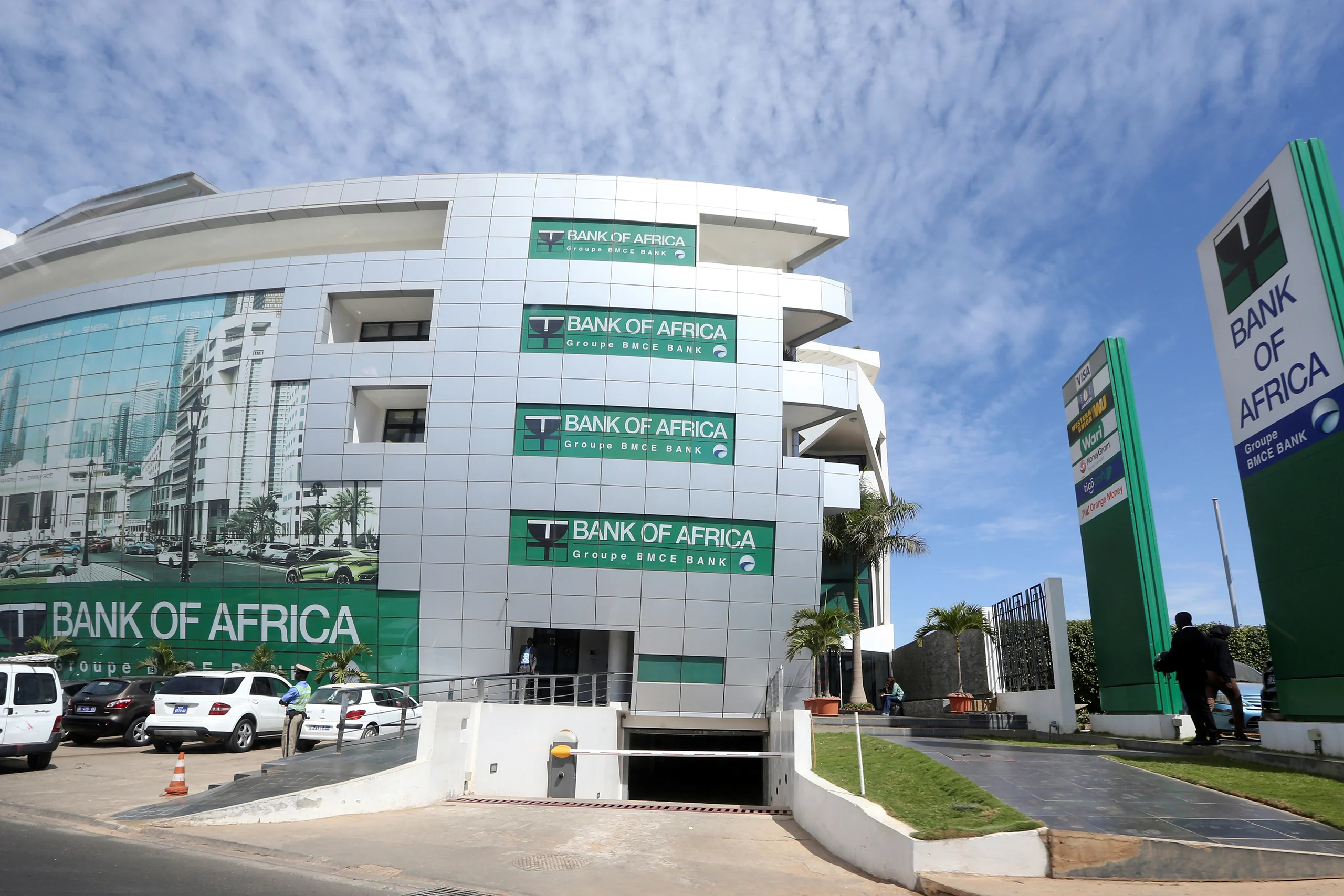
The BOA Construction Mortgage is designed for Kenyan borrowers seeking financing for residential construction projects rather than completed property purchases. Offered by Bank of Africa, the mortgage carries a variable interest rate of 17.9% per annum and follows Kenya’s Risk-Based Credit Pricing Model (RBCPM).
Unlike KMRC-backed affordable housing products focused on completed residential units, the BOA Construction Mortgage supports phased property development financing. However, the mortgage also stands out because of its substantial 50% minimum deposit requirement, which significantly limits accessibility to borrowers with strong capital reserves.
The product reflects broader trends within Kenya’s commercial construction finance market, where lenders apply stricter risk controls to building projects because of construction uncertainty, cost overruns, and project execution risks.
About the BOA Construction Mortgage
The BOA Construction Mortgage is structured as a commercial construction financing product for residential property development.
Key Features
| Feature | Details |
|---|---|
| Interest Rate | 17.9% p.a. |
| Rate Structure | Variable (CBR + customer-specific premium) |
| Minimum Deposit | 50% |
| Monthly Repayment | KES 15,356 per KES 1M |
| Insurance Requirement | Yes |
| Insurance Types | Mortgage protection and building insurance |
| KMRC Support | No |
| Provider | Bank of Africa |
| Regulatory Status | Regulated |
The mortgage combines phased construction financing with commercial banking oversight.
Why the BOA Construction Mortgage Matters
Kenya’s housing demand continues increasing because of:
- Rapid urbanization
- Population growth
- Rising middle-class housing demand
- Expanding real estate investment activity
Many borrowers prefer construction financing because it allows:
- Customized home development
- Gradual project execution
- Land utilization flexibility
- Potential cost savings versus completed property purchases
Construction mortgages also play an important role in supporting Kenya’s broader real estate and housing development sector.
Understanding Construction Mortgages
Construction mortgages differ from standard acquisition mortgages because financing is usually released in phases tied to project progress.
Typical Construction Financing Stages
Funds may be released after:
- Foundation completion
- Walling and structural work
- Roofing
- Interior finishing
- Final project completion
This phased approach helps lenders manage construction-related risks.
Construction Mortgage vs Acquisition Mortgage
| Feature | Construction Mortgage | Acquisition Mortgage |
|---|---|---|
| Purpose | Property development | Completed property purchase |
| Fund Release | Phased | Lump sum |
| Project Oversight | Higher | Moderate |
| Construction Risk | High | Lower |
| Flexibility | Strong | Moderate |
Construction mortgages require stronger project management discipline from borrowers.
Understanding Variable Mortgage Rates
The BOA Construction Mortgage uses a variable-rate structure linked to:
- The Central Bank Rate (CBR)
- Borrower-specific pricing adjustments
This means repayments may fluctuate depending on:
- Interest rate movements
- Inflation trends
- Borrower credit risk
- Monetary policy decisions
Benefits of Variable Mortgage Rates
Variable-rate structures may provide:
- Flexible pricing
- Potential savings during falling rate cycles
- Market-responsive financing
However, borrowers remain exposed to repayment increases if rates rise further.
Fixed vs Variable Mortgage Comparison
| Feature | Fixed Mortgage | Variable Mortgage |
|---|---|---|
| Repayment Stability | High | Moderate |
| Exposure to Rate Changes | Low | High |
| Budget Predictability | Strong | Moderate |
| Flexibility During Falling Rates | Lower | Higher |
Borrowers should stress-test affordability against future rate increases.
Why the 50% Deposit Requirement Matters
The BOA Construction Mortgage requires borrowers to contribute at least 50% of total project costs upfront.
Example Financing Scenarios
| Project Cost | Minimum Deposit | Estimated Financing |
|---|---|---|
| KES 5 million | KES 2.5 million | KES 2.5 million |
| KES 10 million | KES 5 million | KES 5 million |
| KES 20 million | KES 10 million | KES 10 million |
The large deposit requirement helps:
- Reduce lender exposure
- Improve borrower commitment
- Lower project completion risk
However, it significantly increases entry barriers for many middle-income borrowers.
Understanding the Monthly Repayment Structure
The mortgage estimates repayments at approximately KES 15,356 monthly per KES 1 million borrowed.
Example Monthly Repayment Estimates
| Loan Amount | Estimated Monthly Repayment |
|---|---|
| KES 1 million | KES 15,356 |
| KES 3 million | KES 46,068 |
| KES 5 million | KES 76,780 |
| KES 10 million | KES 153,560 |
Actual repayments may vary depending on:
- Interest rate adjustments
- Project timelines
- Insurance premiums
- Loan structure
Construction delays can also increase total financing costs.
Insurance Requirements Explained
The mortgage requires:
- Mortgage protection insurance
- Building insurance
Why Construction Insurance Matters
Insurance helps protect against:
- Construction-site damage
- Fire
- Structural risks
- Borrower-related financial risks
Construction projects typically carry higher risk exposure than completed residential properties.
Insurance remains a critical requirement within construction financing.
Eligibility Requirements
Applicants generally require:
- National ID
- KRA PIN
- Proof of income
- Construction plans and approvals
- Bills of quantities
- Property documentation
The bank also conducts:
- Credit assessment
- Project valuation
- Legal review
- Construction feasibility analysis
Stable income and strong project planning improve financing eligibility.
Mortgage Application Process
Step-by-Step Process
| Step | Description |
|---|---|
| 1 | Confirm eligibility and prepare project documents |
| 2 | Submit mortgage application |
| 3 | Project valuation and legal review |
| 4 | Receive offer letter |
| 5 | Begin phased construction financing |
Borrowers should ensure project approvals and contractor documentation are complete before applying.
Additional Costs Borrowers Should Expect
Construction financing involves several additional expenses beyond loan repayments.
Common Additional Costs
| Expense | Purpose |
|---|---|
| Architectural Fees | Project design |
| Quantity Surveying | Cost assessment |
| Legal Fees | Documentation processing |
| Insurance Premiums | Project protection |
| County Approvals | Construction permits |
Construction overruns may also increase total project costs substantially.
Risks to Consider
Although the BOA Construction Mortgage provides structured building finance, borrowers should carefully evaluate risks associated with construction lending.
Key Risks
- Rising construction costs
- Project delays
- Interest rate increases
- Inflation pressures
- Contractor disputes
- Long-term debt obligations
At 17.9%, financing costs remain substantially higher than many KMRC-backed affordable housing products.
The 50% deposit requirement also creates major liquidity demands on borrowers.
Financial experts generally recommend maintaining strong emergency reserves before undertaking construction projects.
BOA Construction Mortgage vs KMRC Mortgages
Comparison Table
| Feature | BOA Construction Mortgage | KMRC Mortgage |
|---|---|---|
| Interest Rate | 17.9% variable | Often 8%–10% fixed |
| Deposit Requirement | 50% | Often 10% |
| Construction Financing | Yes | Limited |
| Repayment Stability | Moderate | High |
| KMRC Support | No | Yes |
KMRC-backed products generally provide stronger affordability advantages, although they may not focus on custom construction projects.
Inflation and Kenya’s Construction Sector
Inflation continues driving increases in:
- Cement prices
- Steel costs
- Labor expenses
- Land values
- Construction materials
As development costs rise, construction financing becomes increasingly expensive for many borrowers.
Still, some investors continue building because of:
- Long-term property appreciation
- Rental income potential
- Asset ownership goals
Construction remains a major pillar of Kenya’s real estate economy.
Who Should Consider the BOA Construction Mortgage?
The mortgage may suit:
- Higher-income professionals
- Real estate investors
- Landowners planning residential development
- Borrowers with substantial savings
- Buyers seeking custom-built homes
Its large deposit requirement makes it less accessible for first-time middle-income borrowers.
What Happens Next in Kenya’s Construction Finance Market?
Kenya’s construction finance sector is expected to continue evolving through:
- Digital project monitoring
- Greater risk-based lending
- Increased housing demand
- Alternative financing structures
- Affordable housing expansion
Competition among lenders may eventually improve financing accessibility and pricing flexibility.
Final Thoughts on the BOA Construction Mortgage
The BOA Construction Mortgage provides Kenyan borrowers with a structured commercial financing solution for residential construction projects. Its phased funding approach and project oversight framework support long-term property development, particularly for borrowers seeking customized housing solutions.
However, the mortgage’s 17.9% variable interest rate and substantial 50% deposit requirement create significant affordability challenges compared to many alternative housing finance products currently available in Kenya.
Before proceeding, borrowers should carefully assess repayment capacity, construction risk exposure, and long-term financing costs.
Mortgage pricing, approval conditions, and construction financing structures may change depending on market conditions and Central Bank policy adjustments.
Read Also: Ukristo na Ufanisi Sacco Contacts and Loans Guide