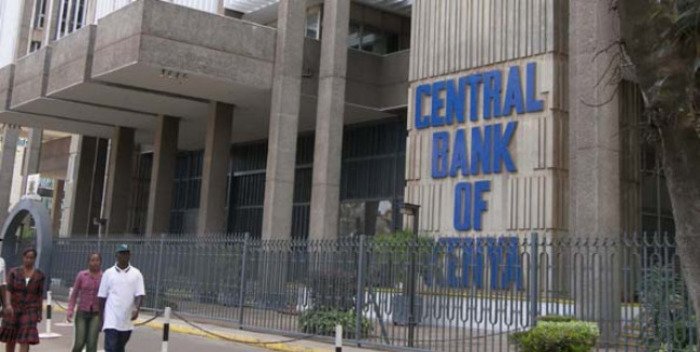
Tier 2 Bank Home Loans are becoming an increasingly important part of Kenya’s mortgage ecosystem as mid-sized commercial banks compete for borrowers seeking residential property financing. Offered by various regulated Tier 2 banks across Kenya, these mortgage products currently average around 18.18% per annum under variable-rate pricing structures linked to the Central Bank Rate (CBR).
A mortgage loan or simply mortgage (/ˈmɔːrɡɪdʒ/), in civil law jurisdictions known also as a hypothec loan, is a loan used either by purchasers of real property to raise funds to buy real estate, or by existing property owners to raise funds for any purpose while putting a lien on the property being mortgaged. The loan is “secured” on the borrower’s property through a process known as mortgage origination. This means that a legal mechanism is put into place which allows the lender to take possession and sell the secured property (“foreclosure” or “repossession“) to pay off the loan in the event the borrower defaults on the loan or otherwise fails to abide by its terms. The word mortgage is derived from a Law French term used in Britain in the Middle Ages meaning “death pledge” and refers to the pledge ending (dying) when either the obligation is fulfilled or the property is taken through foreclosure.[2] A mortgage can also be described as “a borrower giving consideration in the form of a collateral for a benefit (loan)”.
Unlike KMRC-backed affordable housing mortgages, Tier 2 Bank Home Loans operate under institution-specific commercial lending models where pricing depends on:
- Individual bank policies
- Borrower credit risk
- Market interest rates
- Monetary policy conditions
These products reflect the broader realities of Kenya’s commercial housing finance market, where rising interest rates and inflation pressures continue affecting affordability.
About Tier 2 Bank Home Loans
Tier 2 Bank Home Loans are structured as commercial residential mortgage products offered by medium-sized regulated banks.
Key Features
| Feature | Details |
|---|---|
| Interest Rate | 18.18% p.a. |
| Rate Structure | Variable (CBR + institution-specific premium) |
| Maximum Tenure | 10 years |
| Minimum Deposit | 15% |
| Insurance Requirement | Yes |
| Insurance Types | Life and building insurance |
| KMRC Support | No |
| Provider Category | Tier 2 Commercial Banks |
| Regulatory Status | Regulated |
The mortgages combine commercial banking support with relatively shorter repayment periods compared to many affordable housing products.
Why Tier 2 Bank Home Loans Matter
Kenya’s mortgage market remains underserved relative to housing demand.
Many borrowers continue facing:
- Limited mortgage accessibility
- Rising property prices
- High construction costs
- Tight credit conditions
Tier 2 banks play an important role because they:
- Expand financing competition
- Serve underserved borrower segments
- Increase mortgage availability
- Offer alternatives to large banks
Some borrowers may also find Tier 2 banks more flexible during credit assessment compared to larger institutions.
Understanding Variable Mortgage Rates
Tier 2 Bank Home Loans use variable-rate pricing linked to:
- The Central Bank Rate (CBR)
- Institution-specific lending premiums
This means mortgage costs may fluctuate depending on:
- Monetary policy decisions
- Inflation conditions
- Borrower risk assessment
- Market liquidity conditions
Benefits of Variable Mortgage Rates
Variable-rate structures may provide:
- Flexible market-linked pricing
- Potential savings during falling rate cycles
- Dynamic financing structures
However, repayments may rise significantly if interest rates increase further.
Fixed vs Variable Mortgage Comparison
| Feature | Fixed Mortgage | Variable Mortgage |
|---|---|---|
| Repayment Stability | High | Moderate |
| Exposure to Rate Changes | Low | High |
| Budget Predictability | Strong | Moderate |
| Flexibility During Falling Rates | Lower | Higher |
Borrowers should stress-test affordability carefully before selecting variable-rate mortgages.
Why the 10-Year Tenure Matters
Tier 2 Bank Home Loans generally provide repayment periods extending up to 10 years.
Benefits of Shorter Mortgage Tenures
Shorter repayment structures:
- Reduce long-term interest costs
- Accelerate debt clearance
- Build borrower equity faster
However, shorter tenures also:
- Increase monthly repayments
- Reduce affordability
- Tighten borrower cash flow flexibility
10-Year vs 20-Year Mortgage Comparison
| Feature | 10-Year Mortgage | 20-Year Mortgage |
|---|---|---|
| Monthly Repayments | Higher | Lower |
| Total Interest Cost | Lower | Higher |
| Debt Clearance Speed | Faster | Slower |
| Cash Flow Flexibility | Lower | Higher |
Borrowers should balance repayment affordability with long-term financing efficiency.
Understanding the 15% Deposit Requirement
Tier 2 Bank Home Loans typically require a minimum deposit of 15%.
Example Deposit Scenarios
| Property Value | Minimum Deposit | Estimated Financing |
|---|---|---|
| KES 5 million | KES 750,000 | KES 4.25 million |
| KES 10 million | KES 1.5 million | KES 8.5 million |
| KES 15 million | KES 2.25 million | KES 12.75 million |
The deposit requirement helps reduce lender exposure while ensuring borrower participation in the investment.
Insurance Requirements Explained
The mortgages require:
- Life insurance
- Building insurance
Why Mortgage Insurance Matters
Mortgage-related insurance protects:
- The borrower’s dependents
- The financed property
- The lender’s collateral position
Coverage may apply to:
- Death
- Permanent disability
- Fire damage
- Structural property risks
Insurance remains standard practice across Kenya’s mortgage sector.
Eligibility Requirements
Applicants generally require:
- National ID
- KRA PIN
- Payslips or proof of income
- Bank statements
- Property documentation
Banks also conduct:
- Credit assessment
- Property valuation
- Legal due diligence
- Affordability analysis
Stable income and strong credit profiles improve financing eligibility.
Mortgage Application Process
Step-by-Step Process
| Step | Description |
|---|---|
| 1 | Confirm eligibility and gather documents |
| 2 | Submit mortgage application |
| 3 | Property valuation and legal review |
| 4 | Receive offer letter |
| 5 | Sign agreements and begin repayment |
Applicants should ensure documentation accuracy to reduce processing delays.
Additional Costs Borrowers Should Expect
Mortgage acquisition involves several expenses beyond monthly repayments.
Common Additional Costs
| Expense | Purpose |
|---|---|
| Legal Fees | Property transfer processing |
| Stamp Duty | Government property tax |
| Valuation Fees | Property assessment |
| Insurance Premiums | Asset protection |
| Registration Costs | Ownership documentation |
These expenses can materially increase total acquisition budgets.
Risks to Consider
Although Tier 2 Bank Home Loans expand mortgage access, borrowers should carefully evaluate affordability risks.
Key Risks
- Rising interest rates
- Higher monthly repayment pressure
- Inflation-related costs
- Long-term debt obligations
- Property market fluctuations
At 18.18%, financing costs remain significantly higher than many KMRC-backed affordable housing products available in Kenya.
The shorter 10-year repayment period also increases monthly repayment intensity.
Borrowers should avoid repayment obligations beyond sustainable household income levels.
Financial experts generally recommend maintaining mortgage repayments below one-third of monthly income.
Tier 2 Bank Home Loans vs KMRC Mortgages
Comparison Table
| Feature | Tier 2 Bank Home Loans | KMRC Mortgage |
|---|---|---|
| Interest Rate | 18.18% variable | Often 8%–10% fixed |
| Repayment Tenure | Up to 10 years | Up to 25 years |
| Deposit Requirement | 15% | Often 10% |
| Repayment Stability | Moderate | High |
| KMRC Support | No | Yes |
KMRC-backed products generally provide stronger affordability and lower repayment pressure.
Inflation and Kenya’s Mortgage Market
Inflation continues affecting:
- Mortgage pricing
- Property values
- Construction costs
- Household affordability
As borrowing costs rise, many borrowers increasingly compare:
- Commercial mortgages
- SACCO financing
- KMRC-backed affordable mortgages
- Alternative property financing structures
Interest rate trends and Central Bank policy remain major drivers of mortgage affordability.
Who Should Consider Tier 2 Bank Home Loans?
The mortgages may suit:
- Higher-income professionals
- Borrowers seeking commercial bank financing
- Buyers comfortable with variable rates
- Borrowers seeking faster debt clearance
- Urban property investors
Borrowers with strong and stable income may manage shorter repayment structures more comfortably.
What Happens Next in Kenya’s Mortgage Market?
Kenya’s mortgage sector is expected to continue evolving through:
- Greater lender competition
- Affordable housing expansion
- Digital mortgage onboarding
- Risk-based lending growth
- More flexible financing structures
Competition between Tier 1 banks, Tier 2 banks, SACCOs, and KMRC-backed lenders may continue improving borrower choice.
Final Thoughts on Tier 2 Bank Home Loans
Tier 2 Bank Home Loans remain an important segment within Kenya’s housing finance market, providing commercial mortgage access through flexible institution-specific lending structures. However, the average 18.18% variable-rate pricing and shorter repayment periods create substantial affordability pressures compared to many KMRC-backed affordable mortgage products.
For borrowers with strong repayment capacity and stable income, these mortgages may still offer practical access to residential property ownership.
Still, applicants should carefully evaluate repayment affordability, compare competing mortgage products, and understand the implications of rising interest rates before proceeding.
Mortgage pricing, insurance requirements, and approval conditions may change depending on economic conditions and Central Bank policy adjustments.
Read Also: NSSF Sacco Contacts and Loans Guide