During the height of Daniel arap Moi’s administration, fear extended far beyond politics and into hospitals, courtrooms, universities, and newsrooms. State repression during the struggle for multiparty democracy created an atmosphere where even offering medical treatment to opposition figures could place professionals under suspicion.
It was within that tense political climate that Dan Gikonyo made decisions that would later define part of his legacy.
Over the years, Dr. Gikonyo treated several prominent government critics who had allegedly suffered beatings, detention-related illnesses, and violent attacks during the Moi era. Among them were:
- Wangari Maathai
- Kenneth Matiba
- Charles Rubia
- Koigi wa Wamwere
- Timothy Njoya
In his memoir Doctor at Heart, Gikonyo reflects on the personal and professional risks involved in treating individuals considered enemies of the state during one of Kenya’s most politically charged periods.
Read Also: Moi Family Business Empire
His account provides a rare glimpse into how medicine, politics, fear, and conscience intersected during Kenya’s Second Liberation struggle.
A Doctor Working in a Climate of Fear
By the late 1980s and 1990s, Kenya’s political environment had become increasingly tense.
The Moi Era and Political Repression
Critics of the government frequently faced:
- Arrests
- Detention without trial
- Police brutality
- Surveillance
- Political intimidation
The struggle for multiparty democracy intensified confrontation between the state and opposition activists.
Professionals associated with dissidents—including journalists, lawyers, clergy, and doctors—often operated cautiously.
Fear Within Medical Circles
According to Dr. Gikonyo, even medical practitioners feared becoming associated with opposition figures.
In Doctor at Heart, he recalled widespread anxiety among doctors about treating individuals perceived as enemies of the Moi administration.
He described concerns that if a prominent detainee died during treatment, medical personnel could face accusations or political targeting.
That atmosphere created enormous pressure inside hospitals.
Treating Kenneth Matiba
One of the most significant figures Dr. Gikonyo treated was Kenneth Matiba.
Discovering a Cerebral Hemorrhage
Kenneth Matiba had become one of the strongest voices pushing for democratic reforms in Kenya.
In 1990, he and Charles Rubia publicly called for the return of multiparty democracy, triggering harsh government reaction.
Matiba was detained under difficult conditions.
A Medical Emergency
According to accounts associated with Dr. Gikonyo, he was among the first doctors to identify that Matiba had developed cerebral hemorrhaging while in detention.
The condition would later have lasting effects on Matiba’s health and political life.
The case became one of the most powerful symbols of alleged abuse against political detainees during the period.
Caring for Charles Rubia
Dr. Gikonyo also treated Charles Rubia, another major figure in the push for democratic reforms.
Rubia’s Illness During Detention
Rubia reportedly developed respiratory complications while incarcerated.
According to Gikonyo’s memoir, some surgeons hesitated to participate in treating him because of fear surrounding political consequences.
Fear of Being Accused
Dr. Gikonyo recalled conversations with colleagues worried that if complications arose during surgery or treatment, they could be accused of colluding with the state.
Such fears reflected how deeply politics had penetrated ordinary professional life.
For doctors, the situation created ethical dilemmas between:
- Medical duty
- Personal safety
- Professional risk
- Political consequences
Treating Wangari Maathai After State Clashes
Among the most internationally recognized figures Dr. Gikonyo treated was Wangari Maathai.
Violence During Environmental Activism
Wangari Maathai frequently clashed with authorities while opposing environmental destruction and state-backed land allocations.
One of the most famous conflicts centered around the protection of Karura Forest.
Repeated Injuries
Dr. Gikonyo reportedly treated Maathai multiple times after confrontations involving state agents and violent groups.
These incidents occurred in:
- 1992
- 1996
- 1999
She reportedly sustained head injuries during some of the attacks.
At the time, Maathai had become one of the most visible symbols of resistance against authoritarian governance and environmental destruction.
Rev. Timothy Njoya and the 1999 Beating
Another dramatic case involved Rev. Timothy Njoya.
Protest Violence
Timothy Njoya was brutally beaten during demonstrations in 1999.
Reports from the period described him being admitted unconscious to The Nairobi Hospital.
Dr. Gikonyo formed part of the medical team that attended to him.
Clergy and the Democracy Struggle
During the Moi years, several church leaders emerged as outspoken defenders of democracy and human rights.
This often placed clergy members directly in confrontation with the state.
Njoya became one of the most recognizable religious voices criticizing authoritarianism.
Koigi wa Wamwere’s Detention Illness
Dr. Gikonyo also treated Koigi wa Wamwere after he reportedly became ill during detention.
Political Prisoners and Healthcare
Detention conditions during the era were heavily criticized by activists and rights organizations.
Political detainees frequently complained about:
- Poor medical care
- Harsh conditions
- Isolation
- Physical mistreatment
Doctors willing to assist such detainees sometimes faced scrutiny themselves.
Why Dr. Gikonyo Says He Took the Risk
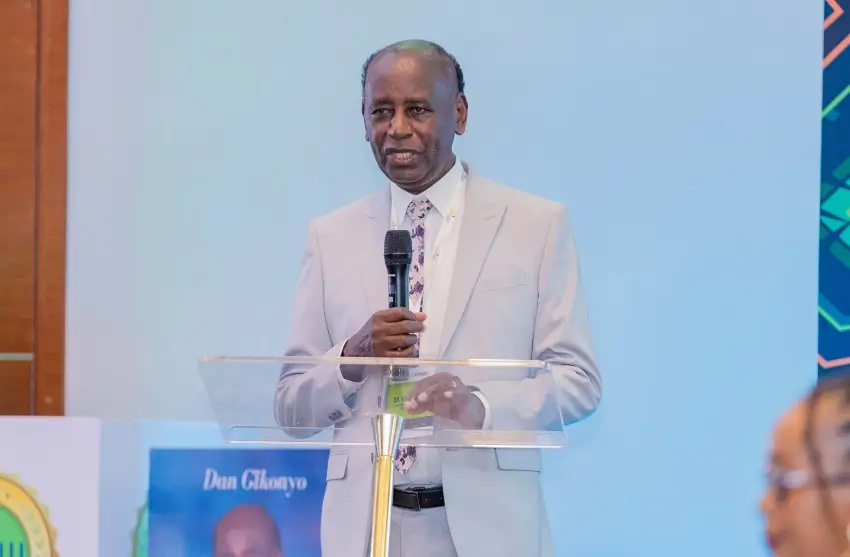
At the launch of his memoir, Dr. Gikonyo reflected openly on why he continued treating government critics despite the atmosphere of fear.
“I Chose the Side of Truth”
According to Gikonyo, his decisions were driven by moral conviction rather than political opportunism.
He stated that he deliberately aligned himself with honesty, truth, and what he believed was morally right.
Choosing Principle Over Fear
He acknowledged that friends warned him against visiting some detainees because of the dangers associated with government suspicion.
Yet he argued that moments arise when individuals must choose between fear and principle.
His reflections positioned medicine not merely as technical work, but as an ethical calling requiring courage under pressure.
Medicine and Politics During Kenya’s Second Liberation
The experiences described by Dr. Gikonyo reveal how deeply Kenya’s Second Liberation movement affected ordinary institutions.
Hospitals Became Political Spaces
During authoritarian periods, even neutral institutions can become politicized.
Hospitals treating opposition leaders became sensitive spaces because injured activists symbolized state repression publicly.
Doctors therefore faced unusual ethical and political pressure.
The Role of Professionals in Democratic Struggles
Kenya’s transition toward multiparty democracy involved more than politicians alone.
It also depended on:
- Lawyers
- Journalists
- Clergy
- Academics
- Doctors
- Civil society activists
Professionals who resisted intimidation helped preserve public institutions during politically difficult periods.
The Legacy of the Second Liberation
The Second Liberation movement remains one of the defining periods in modern Kenyan history.
Fighting for Multiparty Democracy
The movement pushed for:
- Constitutional reform
- Human rights protections
- Political pluralism
- Freedom of expression
- Democratic accountability
Figures such as Matiba, Rubia, Maathai, and Koigi became national symbols of resistance.
The Human Cost
Many activists suffered imprisonment, violence, exile, financial ruin, and long-term health complications.
Doctors like Dan Gikonyo occupied a less publicly visible but still critical role within that history.
Why Dr. Gikonyo’s Story Still Matters
His reflections continue resonating because they raise broader questions about professional ethics under political pressure.
Medicine as a Moral Responsibility
Doctors are expected to treat patients regardless of political affiliation.
Yet authoritarian environments can make even basic medical care politically dangerous.
Dr. Gikonyo’s account highlights the tension between:
- Professional duty
- Political intimidation
- Personal conscience
Courage Beyond Politics
Although his patients were opposition figures, Gikonyo framed his actions primarily around truth and humanity rather than partisan politics.
That distinction remains central to how many professionals understand ethical responsibility.
FAQ
Who is Dr. Dan Gikonyo?
Dr. Dan Gikonyo is a prominent Kenyan cardiologist and author of the memoir Doctor at Heart.
Which opposition figures did Dr. Gikonyo treat?
He treated several prominent figures including Wangari Maathai, Kenneth Matiba, Charles Rubia, Koigi wa Wamwere, and Timothy Njoya.
Why was treating opposition leaders risky during Moi’s era?
Doctors feared political retaliation, suspicion, and accusations because of the hostile political climate surrounding government critics.
What happened to Kenneth Matiba?
While detained during the struggle for multiparty democracy, Matiba suffered cerebral hemorrhaging that affected his long-term health.
Why was Wangari Maathai injured?
She sustained injuries during confrontations linked to activism against environmental destruction and efforts to protect Karura Forest.
What is Kenya’s Second Liberation?
The Second Liberation refers to Kenya’s struggle for multiparty democracy, constitutional reforms, and political freedoms during the Moi era.
Conclusion
Dr. Dan Gikonyo’s story offers a powerful reminder that courage during political repression is not exercised only in parliament, protests, or courtrooms. Sometimes, it is exercised quietly inside hospital corridors and operating rooms.
By choosing to treat critics of the Moi administration despite widespread fear and political pressure, Gikonyo placed professional ethics and personal conscience above intimidation.
His experiences reveal how deeply authoritarian politics affected everyday institutions in Kenya during the struggle for democratic reforms.
More importantly, they highlight the often-overlooked role played by doctors, lawyers, clergy, and other professionals who helped sustain humanity and dignity during one of the country’s most politically difficult eras.