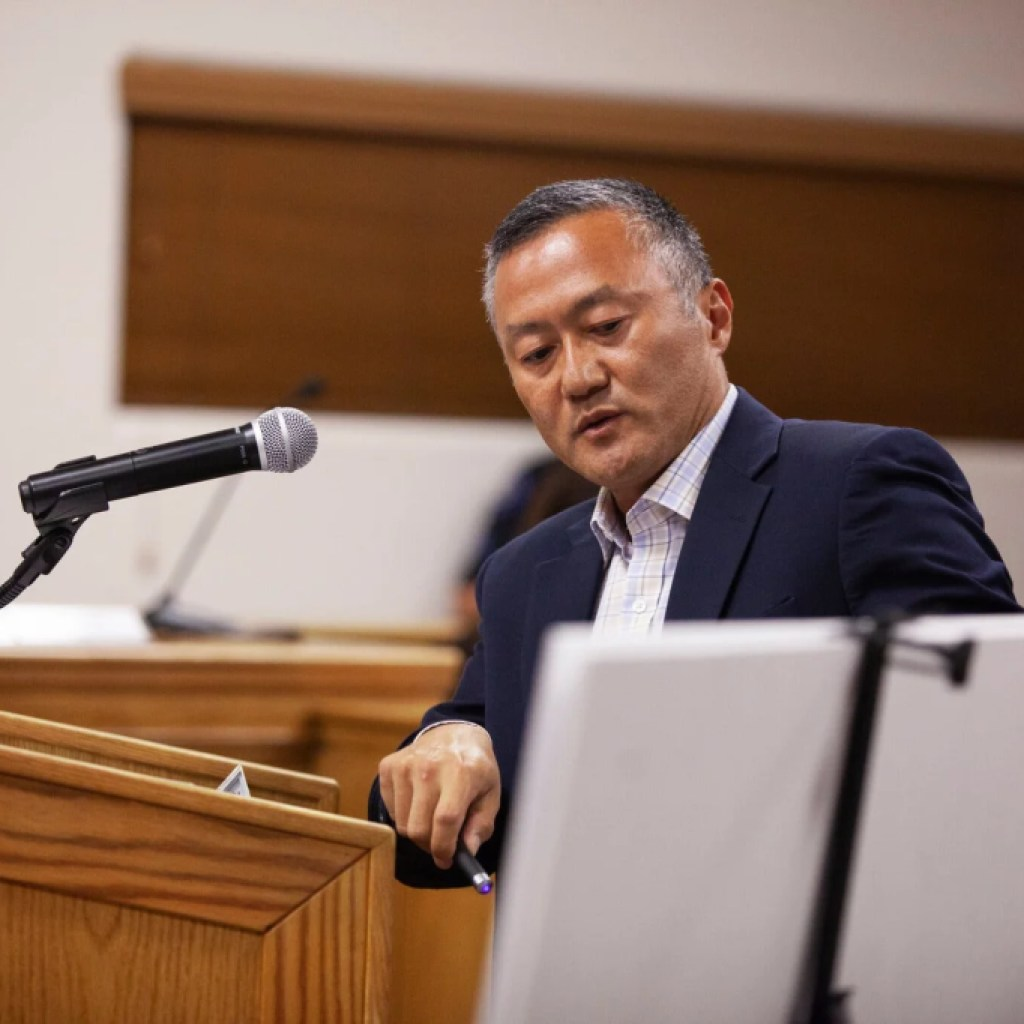
David Venturella has become one of the most influential and controversial figures in modern American immigration enforcement. The David Venturella Biography reflects the evolution of U.S. immigration policy itself, spanning the collapse of the Immigration and Naturalization Service (INS), the birth of the Department of Homeland Security (DHS), the expansion of Immigration and Customs Enforcement (ICE), and the explosive political debates surrounding immigration detention in the United States.
Over nearly four decades, Venturella built a career inside America’s immigration enforcement system before moving into the private prison industry with GEO Group and later returning to government service. His journey from frontline immigration officer to acting ICE director placed him at the center of some of the most divisive policy battles in Washington.
Read Also: Grace Wahu Kenyatta’s Quiet Legacy in Kenya’s History
Supporters view him as an experienced operational strategist with unmatched expertise in detention systems and border enforcement. Critics see him as a symbol of the increasingly close relationship between federal immigration agencies and private detention corporations.
Either way, Venturella’s impact on modern immigration enforcement remains impossible to ignore.
Early Life and Education in the David Venturella Biography
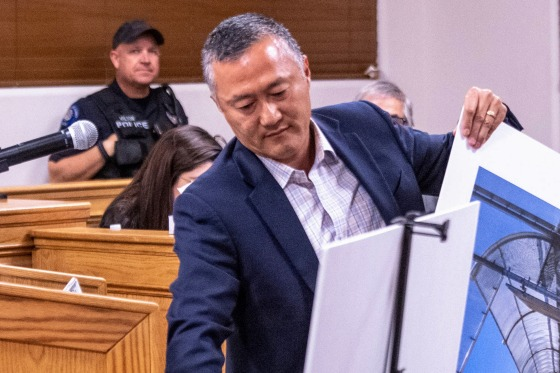
David J. Venturella[1] was born in 1965 or 1966. Venturella is the son of an immigrant.[3] He attended Bloom Trail High School.[4] Venturella graduated from Bradley University with a Bachelor of Science.
The David Venturella Biography begins in the United States during the mid-1960s. Public records suggest he was born around 1965 or 1966 into a family with immigrant roots, a detail frequently highlighted by both supporters and critics throughout his career.
Although Venturella has maintained a highly private personal life, reports indicate that his father was an immigrant. That background created an unusual contrast later in his professional life, given his central role in detention operations and deportation systems.
He attended Bloom Trail High School in Illinois before enrolling at Bradley University, where he earned a Bachelor of Science degree. His studies reportedly focused on political science and public administration, subjects that later shaped his work in government and law enforcement.
Unlike many modern political figures, Venturella rarely speaks publicly about his upbringing, family relationships or private life. There are no widely verified public details regarding his spouse, children or siblings.
That privacy has made him an unusual figure within American political culture, where many senior officials cultivate public-facing personalities and social media brands.
Venturella began working in immigration enforcement in 1986.[6] By December 1996, he had become a spokesman for the United States Immigration and Naturalization Service in Chicago.[7] By January 1997, he was the acting director of the service’s district office in Chicago[8] and was the acting deputy director of the office by March.[9]
Venturella had transferred to the Immigration and Naturalization Service’s headquarters as an assistant commissioner for detention and deportation by August 1999.[10] A Cuban prisoner whose flight to Cuba was redirected to Louisiana sued several officials, including Venturella, over the incident in April 2000.[11] After the Immigration and Naturalization Service was abolished in 2003, Venturella became the assistant director of immigration and customs in the enforcement division within Immigration and Customs Enforcement.[12] He later became the director of the Office of Detention and Removal Operations.[13] By August, Venturella had left the agency.[14]
By October 2008, Venturella had become the executive director of the Secure Communities program.[15] He had left that position by November 2011.[16] By April 2012, he had transferred to a position overseeing Immigration and Customs Enforcement’s field offices.
Instead, Venturella built his reputation almost entirely through institutional influence and operational leadership behind the scenes.
David Venturella Biography and the INS Years
The David Venturella Biography entered the federal immigration system in 1986 when he joined the Immigration and Naturalization Service.
At the time, immigration enforcement looked very different from today’s post-9/11 environment. The federal government relied more heavily on administrative immigration systems, while detention infrastructure remained relatively limited compared to the massive network later developed under ICE.
Venturella steadily rose through the ranks inside INS.
By the mid-1990s, he had become an INS spokesperson in Chicago. Shortly afterward, he was appointed acting director of the agency’s Chicago district office and later served as acting deputy director.
Those assignments helped establish his reputation as a disciplined administrator capable of managing large immigration operations.
In 1999, Venturella moved to INS headquarters in Washington, D.C., where he became assistant commissioner for detention and deportation operations.
The promotion represented a major turning point in his career.
Instead of overseeing regional immigration enforcement, he now operated at the national policy level, helping coordinate detention systems, deportation procedures and enforcement operations across the country.
These years positioned Venturella among the emerging generation of federal officials who would later shape the modern ICE system.
Read Also: Kristina Pratt’s Quiet Legacy Beyond Kenya Politics
The Creation of ICE Changed Venturella’s Career
The September 11 terrorist attacks in 2001 dramatically transformed U.S. immigration enforcement.
The federal government reorganized major national security functions and created the Department of Homeland Security in 2003. As part of that restructuring, the Immigration and Naturalization Service was dissolved.
Many of its responsibilities moved into the newly created Immigration and Customs Enforcement agency.
Venturella became deeply involved in that transition.
He served in several senior operational roles inside ICE, including assistant director of immigration enforcement and later director of ICE’s Office of Detention and Removal Operations.
Those positions placed him at the center of America’s rapidly expanding detention infrastructure.
The federal government increasingly prioritized immigration enforcement, border security and deportation coordination during the George W. Bush administration. Venturella became one of the administrators helping design and manage those systems.
His responsibilities included detention expansion, enforcement logistics and coordination between federal and local agencies.
As immigration politics intensified nationally, Venturella’s influence inside ICE continued growing.
Secure Communities Became a Defining Chapter
One of the most important sections in the David Venturella Biography involves the Secure Communities initiative.
By 2008, Venturella had become executive director of the program, which fundamentally reshaped immigration enforcement coordination in the United States.
Secure Communities connected local law enforcement databases with federal immigration systems, allowing immigration authorities to identify undocumented individuals after arrests or fingerprint checks.
Supporters described the initiative as an innovative public safety tool that improved communication between federal and local agencies.
Critics argued it encouraged racial profiling and weakened trust between immigrant communities and police departments.
The debate quickly became national and highly political.
Immigrant rights groups accused the federal government of expanding deportation systems through local policing networks. Supporters countered that the program targeted dangerous offenders and strengthened national security.
Regardless of political perspective, Secure Communities became one of the most influential immigration enforcement programs in modern American history.
Venturella’s leadership role in the initiative cemented his reputation as a major ICE strategist.
Read Also: Anna Nyokabi Muthama and the Kenyatta Legacy
David Venturella Biography and the GEO Group Controversy
In 2012, Venturella left federal government service after more than two decades inside immigration enforcement.
He then joined GEO Group, one of America’s largest private prison and detention corporations.
That move triggered immediate controversy.
GEO Group operated numerous immigration detention centers under federal contracts with ICE. Critics argued that Venturella’s transition represented a clear example of the “revolving door” between government agencies and private detention companies.
At GEO Group, Venturella reportedly oversaw business development and federal client relations. His work involved managing detention partnerships, contract negotiations and infrastructure expansion projects.
The timing of his move became especially controversial as immigration detention populations increased nationwide.
Advocacy organizations argued that former government officials joining private prison firms created incentives for aggressive detention expansion policies.
Supporters defended Venturella by arguing that his expertise naturally made him valuable to companies operating within the immigration enforcement sector.
Still, the criticism followed him for years.
The David Venturella Biography became increasingly associated with larger debates surrounding the detention-industrial complex and the role private corporations play in U.S. immigration policy.
Trump Era Immigration Expansion Increased His Influence
Donald Trump’s presidency dramatically intensified immigration enforcement debates in America.
The administration expanded detention operations, increased deportation efforts and strengthened border enforcement initiatives.
During this period, GEO Group and other private detention firms experienced major growth through expanded federal contracts.
Although Venturella had already left government service, his experience and industry connections kept him influential within immigration policy circles.
Following Trump’s return to the White House after the 2024 election, immigration enforcement once again became a central administration priority.
Reports indicated that senior immigration officials, including border adviser Tom Homan, sought to bring experienced enforcement administrators back into federal leadership positions.
In February 2025, Venturella officially returned to ICE as an adviser.
The move reignited controversy because of his prior GEO Group role.
Critics questioned whether someone with deep private prison ties should oversee detention policy inside the federal government.
Federal officials insisted Venturella complied with ethics rules and emphasized his decades of operational experience.
Regardless of the criticism, Venturella quickly became deeply involved in detention infrastructure planning and enforcement expansion strategies.
Appointment as Acting ICE Director
The David Venturella Biography reached another major milestone in May 2026.
The Department of Homeland Security announced that Venturella would become acting director of Immigration and Customs Enforcement, replacing Todd Lyons.
The appointment generated immediate national attention.
Major American news organizations highlighted both his long immigration enforcement career and the controversy surrounding his GEO Group history.
Supporters argued that few people understood ICE operations more thoroughly than Venturella.
Critics countered that appointing a former private prison executive to lead ICE reflected growing corporate influence over immigration detention systems.
The political timing also mattered significantly.
ICE was expanding enforcement operations and detention capacity under renewed Trump administration immigration initiatives. Venturella entered leadership during one of the most politically charged immigration periods in recent U.S. history.
As acting director, he became responsible for overseeing one of America’s most controversial federal agencies.
David Venturella Biography and the Paolo Zampolli Allegations
Another controversial chapter in the David Venturella Biography emerged in 2026 following allegations reported by The New York Times.
The case involved claims connected to the deportation proceedings of a Brazilian woman reportedly linked to Paolo Zampolli, a Trump ally and businessman.
According to reports, Venturella allegedly requested ICE intervention in the matter after outside political pressure.
The allegations intensified scrutiny surrounding political influence inside immigration enforcement operations.
Immigrant advocacy groups argued the episode raised broader concerns about favoritism and potential misuse of federal enforcement authority.
Neither Venturella nor ICE publicly embraced the accusations, but the controversy fueled additional criticism surrounding his leadership.
The incident further transformed Venturella into a nationally recognized figure in immigration politics rather than simply an internal administrator.
How the David Venturella Biography Reflects U.S. Immigration Policy
The David Venturella Biography is closely tied to the transformation of U.S. immigration enforcement over the past four decades.
His career spans nearly every major structural change in the modern system.
These include:
- The INS era
- The creation of DHS
- The rise of ICE
- Secure Communities
- Detention expansion
- Private prison growth
- Trump-era deportation strategy
Few officials have operated at influential levels across both public and private immigration enforcement systems.
That dual experience explains why Venturella remains both respected and heavily criticized.
Supporters view him as a disciplined operational leader focused on enforcing immigration law and maintaining institutional order.
Critics see him as a symbol of aggressive detention expansion and corporate influence inside federal immigration systems.
Regardless of political perspective, his influence on modern immigration infrastructure remains significant.
Read Also: Evan Blass Retires @evleaks After 14 Years
Personal Life Remains Highly Private
Despite growing national attention, Venturella continues to maintain an unusually private personal life.
There are no widely confirmed public details about his marriage, children or romantic relationships.
He rarely appears in televised interviews and maintains virtually no visible social media presence.
This lack of public-facing branding contrasts sharply with many modern political and law enforcement figures who actively cultivate media identities.
Instead, Venturella’s reputation remains tied almost entirely to policy and administration.
His low-profile approach has also contributed to public curiosity surrounding his personal background.
Even as his role in immigration policy expanded nationally, Venturella remained largely unknown to the general public until recent years.
David Venturella Net Worth and Financial Standing
Although exact financial records remain private, analysts estimate Venturella’s net worth between $3 million and $8 million.
Most of his wealth likely comes from:
- Federal executive salaries
- GEO Group executive compensation
- Consulting agreements
- Advisory work
- Government contracting expertise
His years inside GEO Group likely represented the most financially lucrative period of his career.
Private prison corporations expanded rapidly during years of heightened immigration enforcement and detention growth.
That expansion increased executive compensation opportunities for experienced administrators with federal expertise.
Reports suggest Venturella also worked as a consultant after leaving GEO Group before returning to government service.
Lesser-Known Facts About David Venturella
Several lesser-known details help explain the complexity of Venturella’s career.
He participated in migration policy discussions involving Cuba during his INS years.
He also reportedly worked with homeland security contractors before and after his GEO Group tenure.
Additionally, Venturella helped oversee some of the earliest large-scale detention expansion programs that later shaped modern ICE operations.
Despite decades of influence, he remains relatively unknown outside immigration policy circles.
Many federal officials reportedly view him less as a political ideologue and more as a highly disciplined administrator focused on operational efficiency.
That distinction partly explains why Venturella managed to remain influential across multiple administrations and institutional transitions.
The Debate Around Detention Expansion
The broader controversy surrounding Venturella cannot be separated from America’s larger immigration debate.
Over the past two decades, detention populations expanded dramatically as federal governments increased enforcement activity.
Critics argue that detention systems became increasingly commercialized through partnerships with private prison corporations.
Organizations advocating for immigrant rights frequently point to officials like Venturella as examples of institutional overlap between government enforcement and corporate detention industries.
Supporters counter that immigration enforcement requires experienced leadership and large-scale operational infrastructure.
The disagreement reflects deeper political divisions about border policy, national security and immigration reform.
Because Venturella operated inside both government agencies and private detention systems, he became one of the most visible figures associated with that debate.
Why David Venturella Continues to Matter
The David Venturella Biography remains highly relevant because immigration policy continues to dominate American political discussions.
Border security, deportation operations and detention expansion remain central issues in national elections and congressional debates.
As acting ICE director, Venturella occupies one of the most politically sensitive positions in Washington.
His decisions influence detention policy, enforcement priorities and operational strategy across the federal immigration system.
At the same time, his background ensures continued scrutiny from immigrant advocacy organizations, civil rights groups and political opponents.
Whether viewed as a skilled administrator or a controversial enforcement figure, Venturella’s role in shaping modern immigration policy is undeniable.
Read Also: Dawson Mwanyumba legacy: teacher turned minister
Conclusion
The David Venturella Biography represents more than the story of one government official.
It reflects the broader transformation of American immigration enforcement over the past forty years.
From his beginnings as an INS officer in Chicago to his rise inside ICE leadership and later transition into the private prison industry, Venturella became deeply connected to nearly every major evolution in U.S. immigration policy.
Supporters see him as an experienced operational expert capable of managing complex national enforcement systems.
Critics view him as a symbol of detention expansion and the growing relationship between government agencies and private prison corporations.
Either way, David Venturella remains one of the defining figures in America’s modern immigration era.
His career continues to shape debates about borders, detention systems, deportation strategy and the future direction of immigration enforcement in the United States.