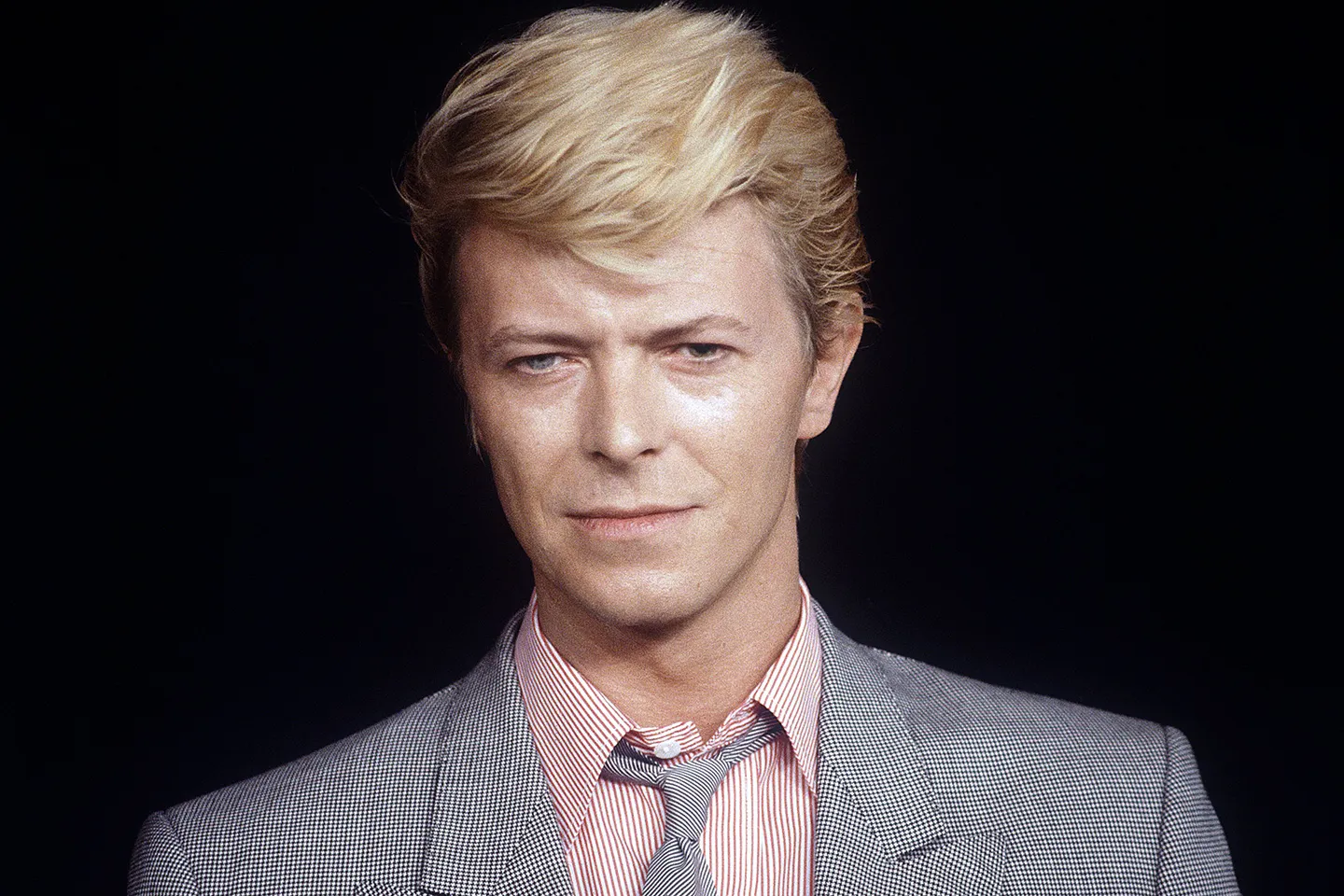
David Bowie (born David Robert Jones, 8 January 1947 – 10 January 2016) was an English singer, songwriter, and actor, widely regarded as one of the most influential musicians of the 20th century. Renowned for his ability to constantly reinvent himself, Bowie left an indelible mark on music, fashion, and culture.
With a career spanning over five decades, Bowie produced 27 studio albums, pioneered genres from glam rock to electronic, and sold more than 100 million records worldwide, making him one of the best-selling music artists of all time.
Early Life
Bowie was born in Brixton, London, and raised in Bromley. From a young age, he showed remarkable creativity in music and dance. Influenced by American rock and roll artists like Elvis Presley and Little Richard, he began playing guitar and saxophone, forming his first band, The Konrads, at age 15.
After experimenting with several bands, Bowie adopted his stage name in 1966 to avoid confusion with Davy Jones of The Monkees.
Rise to Fame
Bowie first gained recognition with the 1969 single “Space Oddity”, released days before the Apollo 11 moon landing. His breakthrough came in 1972 with the creation of his alter ego Ziggy Stardust and the release of The Rise and Fall of Ziggy Stardust and the Spiders from Mars.
His theatrical performances and androgynous image redefined rock stardom. By the mid-1970s, he shifted styles with Young Americans (1975), featuring his first U.S. number one single, “Fame”, co-written with John Lennon.
Musical Evolution
Bowie became known as the “chameleon of rock”, seamlessly transitioning between styles:
- Berlin Trilogy (1977–1979): Collaborated with Brian Eno on Low, “Heroes”, and Lodger, blending electronic and experimental music.
- 1980s Success: Achieved global superstardom with Let’s Dance (1983), producing hits like “Modern Love” and “China Girl.”
- Tin Machine (1989–1992): Fronted a hard rock band, exploring heavier sounds.
- 1990s–2000s: Returned to experimentation with albums like Outside (1995) and Earthling (1997).
- Final Years: Released The Next Day (2013) and Blackstar (2016), the latter unveiled just two days before his death.
Acting and Art
Beyond music, Bowie acted in over 30 films. Notable roles include:
- The Man Who Fell to Earth (1976)
- Labyrinth (1986) as the Goblin King
- The Prestige (2006) as Nikola Tesla
He was also a painter and art collector, with exhibitions of his work held internationally.
Personal Life
Bowie married Angie Barnett in 1970, with whom he had one son, director Duncan Jones. In 1992, he married supermodel Iman, and they had a daughter, Alexandria. The couple remained together until his death.
Death and Legacy
Bowie died on 10 January 2016 in New York City, following an 18-month battle with liver cancer. He was 69. His final album, Blackstar, was seen as a parting gift to fans.
Bowie’s influence spans music, fashion, and culture. He is credited with shaping glam rock, inspiring punk and new wave, and challenging traditional views of gender and sexuality. He received six Grammy Awards, four Brit Awards, and was inducted into the Rock and Roll Hall of Fame in 1996.
Posthumously, he has been honored with exhibitions, documentaries, and a surge in record sales. Rolling Stone ranked him among the greatest singers, songwriters, and artists of all time.
Selected Discography
- Space Oddity (1969)
- Hunky Dory (1971)
- The Rise and Fall of Ziggy Stardust and the Spiders from Mars (1972)
- Young Americans (1975)
- “Heroes” (1977)
- Scary Monsters (1980)
- Let’s Dance (1983)
- Black Tie White Noise (1993)
- The Next Day (2013)
- Blackstar (2016)
Cultural Impact
David Bowie remains a global icon of reinvention and creativity. From Ziggy Stardust to Blackstar, his work continues to inspire artists, filmmakers, and fans worldwide. His enduring influence cements him as one of the most important cultural figures of modern history.