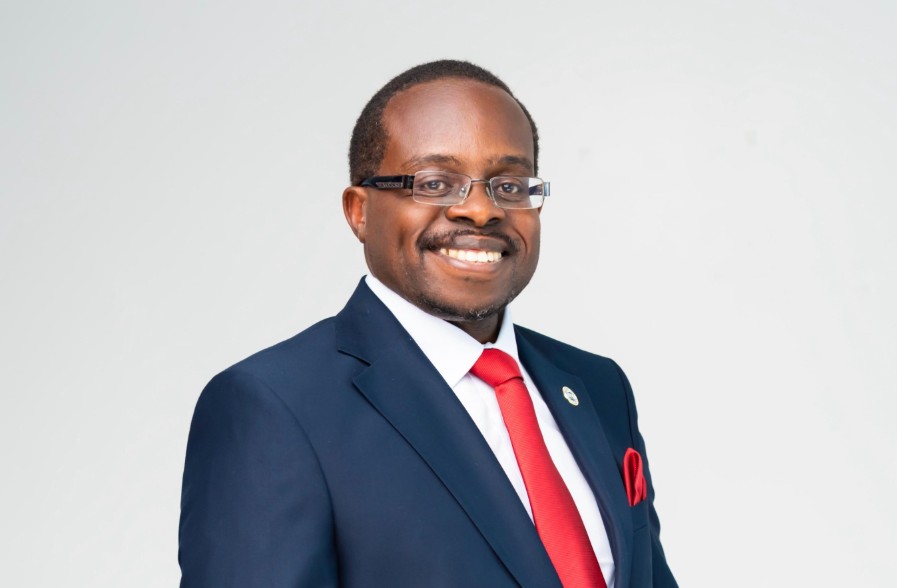
The Law Society of Kenya has elected Charles Kanjama as its new President after a closely watched vote within the legal fraternity. Kanjama secured 3,728 votes, defeating Peter Wanyama and outgoing LSK Vice President Mwaura Kabata in a competitive race that drew nationwide attention from advocates and observers.
The outcome signals a fresh leadership chapter at the Law Society of Kenya, a body that plays a critical role in safeguarding the rule of law, defending constitutionalism, and representing the interests of advocates across the country. Members turned out in significant numbers to determine who would steer the society during a pivotal period for Kenya’s legal and governance landscape.
Charles Kanjama Wins LSK Presidency with 3,728 Votes
Charles Kanjama emerged victorious with 3,728 votes, clinching a clear lead over his rivals. Peter Wanyama garnered 2,616 votes, while outgoing Vice President Mwaura Kabata received 2,086 votes.
The margin reflected strong support from members who backed Kanjama’s vision for institutional reform, professional integrity, and enhanced advocacy for lawyers’ welfare. His win underscores confidence in his leadership style and policy direction.
Who Is Charles Kanjama?
Charles Kanjama is a seasoned Kenyan advocate known for his involvement in high-profile constitutional and public interest litigation. Over the years, he has built a reputation as a vocal defender of legal accountability and institutional transparency.
His experience within the legal profession positions him to lead the Law Society of Kenya at a time when the judiciary, governance structures, and public interest litigation remain central to national discourse.
What the LSK President Role Means
The President of the Law Society of Kenya holds a powerful and symbolic office. The role involves representing advocates nationally, engaging with state institutions, and speaking on matters affecting the rule of law.
Additionally, the LSK President influences policy debates, judicial reforms, and legislative processes. The office often becomes a key voice in national conversations involving constitutional interpretation, human rights, and legal oversight.
A Competitive LSK Election
The race attracted significant attention within the legal community. Peter Wanyama mounted a strong campaign and secured 2,616 votes, demonstrating solid backing among members. Meanwhile, Mwaura Kabata, who served as Vice President, received 2,086 votes.
The three-way contest reflected vibrant internal democracy within the Law Society of Kenya. The orderly conduct of the election further reinforced confidence in the society’s governance framework.
What Comes Next for the Law Society of Kenya?
As the new LSK President, Charles Kanjama faces immediate expectations. Members will look to him to strengthen professional standards, defend judicial independence, and promote unity within the bar.
Moreover, stakeholders will watch closely to see how his administration engages with government institutions, the judiciary, and civil society. His leadership will shape how the Law Society of Kenya navigates emerging legal and constitutional challenges.
Conclusion
Charles Kanjama’s election as LSK President marks a defining moment for Kenya’s legal fraternity. With 3,728 votes, he secured a decisive mandate to lead the Law Society of Kenya into its next chapter.
The focus now shifts from campaign promises to implementation. As he assumes office, the legal community and the public alike will monitor how his leadership strengthens the rule of law and advances the interests of advocates nationwide.