Mortgage Lenders in the United States play a central role in homeownership, real estate investment, refinancing, construction finance, and household wealth building. For most buyers, a mortgage is the largest financial commitment they will ever make, so choosing the right lender can affect monthly payments, closing costs, approval speed, loan terms, and long-term affordability.
The U.S. mortgage market is large and highly competitive. It includes online lenders, banks, credit unions, wholesale lenders, government-backed loan specialists, VA lenders, jumbo mortgage lenders, local lenders, and mortgage brokers. The best lender for one borrower may not be the best for another. A first-time buyer may need education and down-payment assistance. A military borrower may need VA loan expertise. A high-income buyer may need jumbo lending. A self-employed borrower may need flexible documentation. A borrower refinancing may prioritize speed and pricing.
The market also changes constantly because mortgage rates, housing inventory, Federal Reserve policy, bond yields, inflation, employment, and credit conditions all affect lending. In 2026, borrowers are especially focused on affordability, rate comparison, closing costs, digital applications, and lender transparency.
This guide profiles some of the best Mortgage Lenders in the United States based on scale, reputation, loan options, borrower fit, technology, customer access, and market relevance. It is educational only and should not be treated as personal financial advice. Borrowers should compare Loan Estimates from multiple lenders before choosing a mortgage.
Industry Overview: Mortgage Lenders in the United States
The U.S. mortgage industry is made up of banks, non-bank lenders, credit unions, mortgage brokers, wholesale lenders, servicers, and government-backed lending programs. The market serves homebuyers, homeowners refinancing existing loans, real estate investors, builders, veterans, first-time buyers, and high-net-worth borrowers.
Non-bank lenders have become especially influential in recent years. Companies such as Rocket Mortgage, United Wholesale Mortgage, Pennymac, loanDepot, and CrossCountry Mortgage have gained major market share through digital applications, broker channels, fast underwriting, and large national lending operations. Bankrate’s 2026 review of HMDA data listed Rocket Mortgage, United Wholesale Mortgage, CrossCountry Mortgage, Pennymac, Chase, loanDepot, Bank of America, Guild Mortgage, Veterans United Home Loans, and Navy Federal Credit Union among the largest U.S. mortgage lenders by origination volume.
Mortgage lending is heavily regulated. Borrowers can verify mortgage companies and loan officers through NMLS Consumer Access, a public system for checking licensing and registration information. The CFPB also advises borrowers to compare Loan Estimates from multiple lenders because the form shows loan terms, projected payments, and closing costs.
The industry’s biggest challenges include affordability, high home prices, rate volatility, credit availability, low housing inventory, and rising insurance and tax costs in some states. The best lenders are responding with better digital tools, broader loan products, faster processing, down-payment assistance guidance, and clearer borrower education.
Ranking Methodology
This directory evaluates mortgage lenders using borrower-focused criteria rather than size alone.
The ranking considers:
Reputation and market presence
Range of loan products
Digital application experience
Customer support and borrower education
Purchase and refinance capabilities
Government-backed loan expertise
First-time buyer resources
Jumbo and conventional loan options
Speed and underwriting flexibility
Transparency around fees and closing costs
Accessibility across U.S. states
This article does not rank lenders by lowest rate because mortgage pricing changes daily and depends on credit score, loan amount, down payment, property type, location, discount points, debt-to-income ratio, and market conditions.
Best Mortgage Lenders in the United States
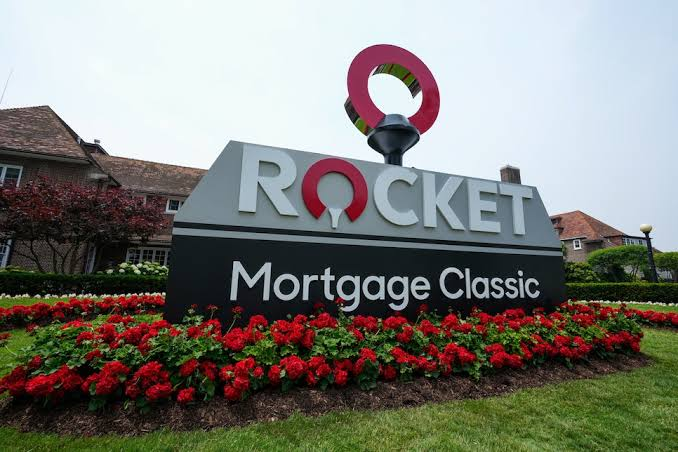
Rocket Mortgage
Overview
Rocket Mortgage is one of the largest and most recognized mortgage lenders in the United States. It is especially known for digital mortgage applications, online preapproval, fast borrower workflows, and national brand awareness. Rocket has built its reputation around making the mortgage process easier for borrowers who prefer online tools over traditional branch-based lending.
Rocket is a strong fit for borrowers who want a digital-first experience, quick preapproval, refinance options, and broad national access. The company offers several major mortgage products, including conventional loans, FHA loans, VA loans, jumbo loans, refinance loans, and home equity options.
Services Offered
Rocket Mortgage offers home purchase loans, refinancing, conventional mortgages, FHA loans, VA loans, jumbo loans, rate-and-term refinances, cash-out refinances, and digital mortgage tools.
Borrowers Served
The lender serves first-time buyers, repeat buyers, homeowners refinancing, VA-eligible borrowers, jumbo borrowers, and digital-first mortgage customers.
Notable Strengths
Rocket is widely recognized for digital mortgage technology and national scale. Its planned acquisition of Mr. Cooper was reported as a major industry consolidation move that would create a much larger mortgage servicing platform.
Competitive Advantages
Rocket’s biggest advantage is convenience. Borrowers can complete much of the mortgage process online, which appeals to people who want speed, transparency, and digital communication.
Headquarters
Detroit, Michigan.
Website
rocketmortgage.com
Why It Stands Out
Rocket Mortgage stands out for borrowers who want a major national lender with a strong online application process and broad loan availability.
United Wholesale Mortgage
Overview
United Wholesale Mortgage, commonly known as UWM, is one of the largest mortgage lenders in the United States, but it operates differently from direct-to-consumer lenders. UWM is a wholesale lender, meaning borrowers usually access its loan products through independent mortgage brokers rather than applying directly.
This makes UWM especially important in the broker channel. Mortgage brokers can compare different lenders for borrowers, and UWM provides technology, underwriting, pricing, and loan products to those broker partners. For borrowers who prefer working with a local broker but still want access to a major national lender, UWM may be part of the lending process.
Services Offered
UWM provides conventional loans, FHA loans, VA loans, USDA loans, jumbo loans, refinance products, broker technology, underwriting support, and wholesale mortgage services.
Borrowers Served
UWM serves borrowers through independent mortgage brokers, including first-time buyers, repeat buyers, refinancing homeowners, and government-backed loan borrowers.
Notable Strengths
UWM has been one of the largest U.S. mortgage lenders by origination volume and is especially dominant in wholesale lending.
Competitive Advantages
Its advantage is speed and broker-channel scale. Mortgage brokers who use UWM may be able to access competitive pricing and fast underwriting.
Headquarters
Pontiac, Michigan.
Website
uwm.com
Why It Stands Out
UWM stands out because it is one of the most important wholesale mortgage lenders in the country and a major partner for independent mortgage brokers.
Chase Home Lending
Overview
Chase Home Lending is the mortgage division of JPMorgan Chase, one of the largest banks in the United States. It offers mortgages through a combination of digital tools, branch relationships, loan officers, and banking integration. Chase can be attractive to borrowers who already bank with Chase or prefer a large traditional financial institution.
Chase offers conventional loans, jumbo loans, FHA loans, VA loans, refinancing, and home lending resources. Its banking relationships can be useful for borrowers who want mortgage services connected with checking, savings, credit cards, investments, or private banking.
Services Offered
Chase provides home purchase loans, refinancing, jumbo mortgages, conventional loans, FHA loans, VA loans, digital applications, loan officers, and homebuyer education.
Borrowers Served
Chase serves first-time buyers, repeat buyers, jumbo borrowers, existing banking customers, refinance borrowers, and high-net-worth clients.
Notable Strengths
Chase is regularly listed among the largest U.S. mortgage lenders by origination volume.
Competitive Advantages
Its advantage is the combination of mortgage lending and broader banking relationships.
Headquarters
New York City, New York.
Website
chase.com
Why It Stands Out
Chase stands out for borrowers who want a major bank lender with digital access, branch support, and broad financial services.
Pennymac
Overview
Pennymac is a major national mortgage lender and servicer. It is known for purchase loans, refinancing, government-backed mortgages, and mortgage servicing. The company serves borrowers directly and has a significant role in the broader mortgage finance market.
Pennymac may be a good fit for borrowers seeking conventional, FHA, VA, USDA, jumbo, or refinance options. Its servicing platform is also important because some borrowers prefer lenders with experience managing loans after closing.
Services Offered
Pennymac offers home purchase loans, refinance loans, FHA loans, VA loans, USDA loans, jumbo loans, conventional mortgages, and loan servicing.
Borrowers Served
The company serves first-time buyers, repeat buyers, refinancing homeowners, VA borrowers, FHA borrowers, and borrowers seeking national lender access.
Notable Strengths
Pennymac is frequently listed among the largest mortgage lenders in the United States.
Competitive Advantages
Pennymac’s strength is scale across origination and servicing.
Headquarters
Westlake Village, California.
Website
pennymac.com
Why It Stands Out
Pennymac stands out for borrowers looking for a large non-bank lender with broad mortgage product coverage and servicing experience.
Bank of America Home Loans
Overview
Bank of America is one of the largest U.S. banks and a major mortgage lender. It offers purchase loans, refinancing, affordable loan programs, jumbo mortgages, FHA loans, VA loans, and digital mortgage tools. For borrowers who already use Bank of America or Merrill, the lender may offer convenience through integrated financial relationships.
Bank of America may appeal to borrowers who want a large banking institution, branch access, digital tools, and potential relationship benefits. It is also relevant for borrowers seeking down-payment assistance guidance or affordable lending programs.
Services Offered
Bank of America offers conventional mortgages, jumbo loans, FHA loans, VA loans, refinancing, affordable loan programs, online applications, and mortgage education.
Borrowers Served
The lender serves first-time buyers, existing customers, high-net-worth borrowers, refinancing homeowners, and borrowers seeking bank-based mortgage support.
Notable Strengths
Bank of America is included among major U.S. mortgage lenders by origination volume.
Competitive Advantages
Its competitive advantage is banking integration, national reach, and access to broader financial services.
Headquarters
Charlotte, North Carolina.
Website
bankofamerica.com
Why It Stands Out
Bank of America stands out for borrowers who want a large bank lender with mortgage, banking, credit, and wealth services under one institution.
loanDepot
Overview
loanDepot is a national non-bank mortgage lender known for digital lending, purchase loans, refinancing, and consumer-direct mortgage services. It has built a recognizable brand in the online and direct mortgage market.
The company serves borrowers who want a national lending platform with online tools and loan officer support. loanDepot offers conventional loans, FHA loans, VA loans, jumbo loans, refinancing, and home equity products.
Services Offered
loanDepot provides home purchase loans, refinancing, conventional loans, FHA loans, VA loans, jumbo loans, home equity loans, and online mortgage tools.
Borrowers Served
The lender serves first-time buyers, repeat buyers, homeowners refinancing, jumbo borrowers, FHA borrowers, and VA borrowers.
Notable Strengths
loanDepot is regularly listed among the larger U.S. mortgage lenders by origination volume.
Competitive Advantages
Its advantage is national direct-to-consumer mortgage access supported by digital tools.
Headquarters
Irvine, California.
Website
loandepot.com
Why It Stands Out
loanDepot stands out for borrowers seeking a national online lender with broad mortgage and refinancing options.
CrossCountry Mortgage
Overview
CrossCountry Mortgage is a fast-growing national mortgage lender with a strong presence in purchase lending, refinancing, and local loan officer relationships. It offers a wide range of mortgage products and serves borrowers across many states.
The company is often relevant for borrowers who want more personal guidance than a purely digital application provides. CrossCountry Mortgage combines national scale with distributed loan officers, which can be useful for buyers who need help navigating loan options.
Services Offered
CrossCountry Mortgage offers conventional loans, FHA loans, VA loans, USDA loans, jumbo loans, refinancing, renovation loans, construction loans, and specialty mortgage products.
Borrowers Served
The lender serves first-time buyers, move-up buyers, veterans, rural borrowers, jumbo borrowers, self-employed borrowers, and refinancing homeowners.
Notable Strengths
CrossCountry Mortgage is listed among the largest U.S. mortgage lenders by origination volume.
Competitive Advantages
Its advantage is broad loan product coverage combined with local loan officer support.
Headquarters
Brecksville, Ohio.
Website
crosscountrymortgage.com
Why It Stands Out
CrossCountry Mortgage stands out for borrowers who want national lender resources with more personalized loan officer guidance.
Guild Mortgage
Overview
Guild Mortgage is a long-established mortgage lender known for purchase lending, first-time buyer support, government-backed loans, and strong relationships with real estate professionals. It has a meaningful presence across many U.S. markets and often appeals to borrowers who want guidance through the mortgage process.
Guild is especially relevant for first-time buyers, FHA borrowers, VA borrowers, USDA borrowers, and buyers who need help understanding down-payment options. Its branch and loan officer network can be useful for borrowers who prefer human support.
Services Offered
Guild Mortgage offers conventional loans, FHA loans, VA loans, USDA loans, jumbo loans, refinancing, renovation loans, down-payment assistance guidance, and first-time buyer support.
Borrowers Served
The lender serves first-time buyers, repeat buyers, veterans, rural borrowers, low-to-moderate income borrowers, and refinancing homeowners.
Notable Strengths
Guild Mortgage appears among major U.S. mortgage lenders by origination volume.
Competitive Advantages
Its advantage is purchase-market experience and support for borrowers who need more guidance.
Headquarters
San Diego, California.
Website
guildmortgage.com
Why It Stands Out
Guild Mortgage stands out for first-time buyers and borrowers looking for guided mortgage support across multiple loan types.
Veterans United Home Loans
Overview
Veterans United Home Loans is one of the best-known VA loan specialists in the United States. It focuses heavily on serving military borrowers, veterans, active-duty service members, and eligible surviving spouses.
VA loans have unique rules, benefits, eligibility standards, and documentation requirements. A lender with deep VA experience can help borrowers understand entitlement, funding fees, occupancy rules, credit requirements, and property eligibility.
Services Offered
Veterans United provides VA loans, conventional loans, FHA loans, USDA loans, refinancing, VA streamline refinances, homebuyer education, and military-focused borrower support.
Borrowers Served
The lender primarily serves veterans, active-duty service members, military families, and eligible VA borrowers.
Notable Strengths
Veterans United is consistently recognized as a major VA lender and appears among the largest U.S. mortgage lenders.
Competitive Advantages
Its advantage is VA loan specialization and military-focused customer support.
Headquarters
Columbia, Missouri.
Website
veteransunited.com
Why It Stands Out
Veterans United stands out for eligible military borrowers who want a lender deeply focused on VA mortgage programs.
Navy Federal Credit Union
Overview
Navy Federal Credit Union is one of the largest credit unions in the United States and a major mortgage lender for military members, veterans, Department of Defense personnel, and eligible family members. It offers mortgages, VA loans, conventional loans, jumbo loans, refinancing, and credit union member benefits.
Navy Federal may be attractive to eligible borrowers who want a member-focused institution rather than a traditional bank or non-bank lender. Credit unions can sometimes offer competitive pricing, relationship-based service, and specialized programs for their members.
Services Offered
Navy Federal offers VA loans, conventional loans, jumbo loans, refinancing, home equity loans, mortgage preapproval, and credit union banking services.
Borrowers Served
The credit union serves military members, veterans, eligible family members, Department of Defense personnel, and qualifying members.
Notable Strengths
Navy Federal is listed among major U.S. mortgage lenders and has a strong military borrower base.
Competitive Advantages
Its advantage is member-focused service and military-community specialization.
Headquarters
Vienna, Virginia.
Website
navyfederal.org
Why It Stands Out
Navy Federal stands out for eligible military-connected borrowers who want a credit union with mortgage and banking services.
Industry Trends Shaping Mortgage Lenders in the United States
Affordability Pressure
High home prices, mortgage rates, insurance costs, taxes, and limited inventory have made affordability one of the biggest challenges for borrowers. Lenders are competing through rate buydowns, down-payment assistance education, faster preapproval, and affordability tools.
Digital Mortgage Applications
Borrowers increasingly expect online applications, document uploads, e-signatures, status tracking, and mobile communication. Digital lenders have pushed traditional banks to modernize their mortgage platforms.
Growth of Non-Bank Lenders
Non-bank lenders now play a major role in U.S. mortgage origination. Their growth reflects faster technology adoption, national reach, broker partnerships, and specialization in mortgage-only services.
Consolidation
The mortgage industry continues to consolidate as lenders seek scale, servicing income, technology advantages, and stronger customer relationships. Rocket’s reported deals involving Redfin and Mr. Cooper show how major lenders are trying to connect home search, origination, and servicing.
Focus on Loan Servicing
Borrowers increasingly care about what happens after closing. A lender that services loans well can improve customer experience, payment management, escrow handling, and future refinance opportunities.
Buyer’s Guide: How to Choose a Mortgage Lender
Compare Loan Estimates
The CFPB says borrowers should request multiple Loan Estimates from different lenders so they can compare the loan that is right for them. A Loan Estimate shows key details such as interest rate, monthly payment, closing costs, taxes, insurance, and whether the loan has risky features.
Look Beyond the Interest Rate
The lowest advertised rate is not always the best deal. Borrowers should compare APR, discount points, lender fees, closing costs, mortgage insurance, escrow costs, and rate lock terms.
Match the Lender to the Loan Type
A VA borrower may benefit from a VA specialist. A jumbo borrower may need a bank with strong high-balance lending. A first-time buyer may need down-payment assistance guidance. A self-employed borrower may need flexible underwriting.
Verify Licensing
Borrowers can use NMLS Consumer Access to check whether a mortgage company or professional is authorized to conduct business in their state.
Ask About Turnaround Time
In competitive housing markets, closing speed matters. Ask how long underwriting, appraisal review, conditional approval, and closing usually take.
Watch for Red Flags
Red flags include pressure to sign quickly, unclear fees, refusal to provide a Loan Estimate, promises that sound too good to be true, poor communication, last-minute cost changes, and no visible licensing information.
Why Mortgage Lenders Matter in the United States
Mortgage lenders matter because they make homeownership possible for millions of households. They also support real estate transactions, construction activity, refinancing, home equity access, and broader economic growth.
The mortgage industry affects builders, real estate agents, title companies, appraisers, insurers, home improvement contractors, banks, investors, and local governments. When mortgage credit is available and affordable, housing markets can function more smoothly. When rates rise or credit tightens, buyers may delay purchases and sellers may struggle to move properties.
Good lenders help borrowers understand affordability, loan terms, costs, risks, and responsibilities. Poor lending practices can harm households for years. That is why transparency, regulation, borrower education, and careful comparison are essential.
Conclusion
The best Mortgage Lenders in the United States include Rocket Mortgage, United Wholesale Mortgage, Chase, Pennymac, Bank of America, loanDepot, CrossCountry Mortgage, Guild Mortgage, Veterans United Home Loans, and Navy Federal Credit Union. Each serves a different borrower profile.
Rocket Mortgage is strong for digital-first borrowers. UWM is a major wholesale lender through brokers. Chase and Bank of America are strong bank lenders. Pennymac and loanDepot offer national non-bank lending. CrossCountry and Guild provide broad purchase-loan support. Veterans United and Navy Federal are especially relevant for military-connected borrowers.
The most important takeaway is that borrowers should compare lenders carefully. The best lender is not always the biggest brand or the lowest advertised rate. It is the lender that offers the right loan type, transparent costs, reliable communication, strong service, and a mortgage structure that fits the borrower’s long-term financial situation.
Frequently Asked Questions
What are the best mortgage lenders in the United States?
Some of the best-known mortgage lenders in the United States include Rocket Mortgage, United Wholesale Mortgage, Chase, Pennymac, Bank of America, loanDepot, CrossCountry Mortgage, Guild Mortgage, Veterans United Home Loans, and Navy Federal Credit Union. The best lender depends on the borrower’s needs, loan type, credit profile, location, down payment, military eligibility, and preference for online or in-person service.
Which mortgage lender is the largest in the United States?
The largest lender can change depending on the year, metric, and whether the ranking measures loan count, origination volume, retail lending, wholesale lending, or servicing. Bankrate’s 2026 review of 2025 HMDA data listed Rocket Mortgage as the top lender by origination volume, while other analyses have highlighted United Wholesale Mortgage’s leadership in earlier periods.
Is Rocket Mortgage a good lender?
Rocket Mortgage can be a strong option for borrowers who want a digital-first mortgage process, national access, online preapproval, and broad loan options. It may be especially useful for borrowers who are comfortable uploading documents and communicating online. However, borrowers should still compare Rocket’s Loan Estimate with offers from banks, credit unions, brokers, and other lenders before deciding.
Is a bank or mortgage company better?
A bank may be better for borrowers who want an existing relationship, branch access, jumbo loan options, or integrated financial services. A non-bank mortgage company may offer faster digital tools, specialized loan processes, or stronger purchase-lending focus. The best choice depends on pricing, service, loan type, approval speed, and borrower needs.
How many mortgage quotes should I get?
Borrowers should generally compare at least three mortgage offers, and sometimes more. The CFPB recommends requesting multiple Loan Estimates from different lenders to compare loan terms and closing costs. Comparing lenders can help borrowers find lower costs, better rates, or more suitable loan structures.
What is a Loan Estimate?
A Loan Estimate is a standardized three-page form that lenders provide after a mortgage application. It shows key loan details, projected payments, closing costs, interest rate, APR, taxes, insurance, and whether the loan has features such as prepayment penalties or balloon payments. The CFPB says lenders must provide it within three business days after receiving an application.
What should I compare besides the interest rate?
Compare APR, lender fees, discount points, origination charges, mortgage insurance, escrow costs, rate lock period, appraisal fees, title fees, closing costs, and monthly payment. Also consider communication quality, underwriting speed, loan officer experience, servicing reputation, and whether the lender understands your specific loan type.
Are online mortgage lenders safe?
Online mortgage lenders can be safe if they are properly licensed, regulated, transparent, and reputable. Borrowers should verify the lender through NMLS Consumer Access, read reviews, compare Loan Estimates, and avoid lenders that pressure them or hide fees. Online convenience does not replace the need for due diligence.
Which mortgage lender is best for VA loans?
Veterans United Home Loans and Navy Federal Credit Union are two well-known options for eligible military borrowers. Many banks and mortgage companies also offer VA loans. The best VA lender should understand VA entitlement, funding fees, appraisal rules, occupancy rules, and military borrower needs.
Can I switch mortgage lenders before closing?
Yes, borrowers can switch lenders before closing, but doing so may delay the transaction and require a new application, appraisal review, underwriting process, and updated closing timeline. In a competitive purchase, switching late can create risk. Borrowers should compare lenders early to avoid last-minute problems.
What credit score do I need for a mortgage?
Credit score requirements vary by loan type and lender. Conventional loans often require stronger credit, while FHA loans may allow lower scores depending on lender overlays and borrower details. VA and USDA loans also have specific requirements. A higher credit score generally helps borrowers qualify for better pricing.
What are mortgage lender red flags?
Red flags include unclear fees, pressure tactics, refusal to provide a Loan Estimate, unrealistic promises, poor communication, missing licensing information, sudden unexplained cost increases, and advice to misstate income or debts. Borrowers should walk away from any lender or loan officer who encourages dishonest information on an application.
Read Also: The Best Forex Brokers in the United States