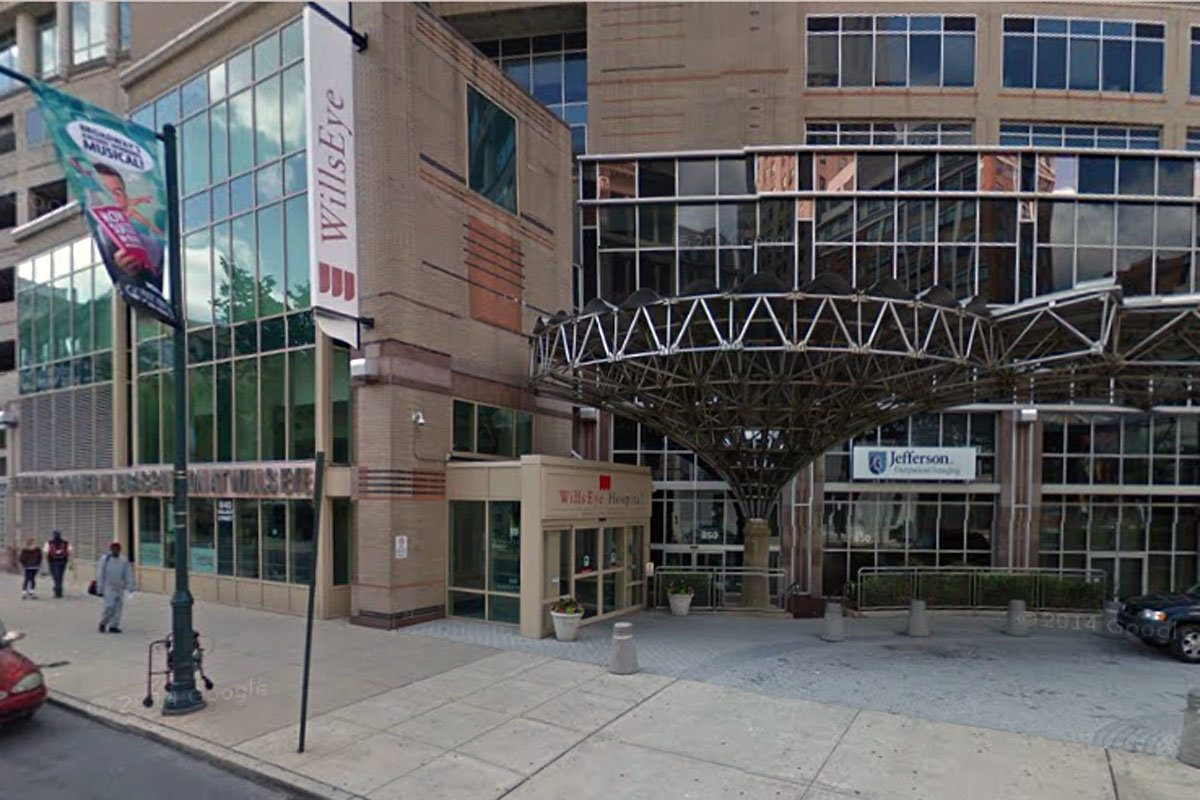
Eye Clinics in the United States play a vital role in protecting vision, treating eye disease, correcting refractive errors, managing age-related conditions, and performing advanced eye surgery. From routine vision exams to cataract surgery, LASIK, glaucoma treatment, retina care, corneal transplants, pediatric ophthalmology, and ocular oncology, the best eye clinics combine specialist expertise with advanced diagnostics and long-term patient follow-up.
Choosing an eye clinic is not the same as choosing an ordinary optical shop. Some patients need a basic eye exam and prescription glasses. Others need an ophthalmologist for cataracts, diabetic retinopathy, macular degeneration, glaucoma, eye trauma, or complex surgery. The right clinic depends on the patient’s diagnosis, age, insurance coverage, urgency, and whether specialist care is required.
The U.S. eye-care market includes academic eye hospitals, private ophthalmology groups, LASIK centers, retina specialty practices, pediatric eye clinics, optometry-led clinics, and hospital-based departments. Leading institutions such as Bascom Palmer Eye Institute, Wills Eye Hospital, Wilmer Eye Institute, Cleveland Clinic Cole Eye Institute, and Massachusetts Eye and Ear are nationally recognized because they combine clinical care, research, teaching, and specialty treatment.
This guide profiles some of the best Eye Clinics in the United States, explains major industry trends, and helps patients understand how to choose the right provider. This article is for informational purposes only and should not replace medical advice from a licensed eye-care professional.
Industry Overview: Eye Clinics in the United States
The U.S. eye-care sector is divided mainly between optometry and ophthalmology. Optometrists provide eye exams, glasses prescriptions, contact lens fittings, and management of many common eye conditions. Ophthalmologists are medical doctors who diagnose and treat eye diseases, prescribe medication, and perform surgery.
Major eye clinics often include both. Large academic centers may offer subspecialists in retina, glaucoma, cornea, neuro-ophthalmology, pediatric ophthalmology, oculoplastics, cataract surgery, refractive surgery, low vision, and ocular oncology.
Demand for eye care is rising because of aging, diabetes, screen-related eye strain, cataracts, glaucoma, macular degeneration, and growing interest in LASIK and lens-based vision correction. Technology is also changing the sector through optical coherence tomography, retinal imaging, femtosecond lasers, premium intraocular lenses, minimally invasive glaucoma surgery, and AI-assisted screening.
Ranking Methodology
This directory evaluates eye clinics based on reputation, specialist depth, national recognition, service range, research strength, surgical capability, patient access, technology, and usefulness for different patient needs.
The list includes academic eye hospitals, hospital-based departments, and major specialty clinics. It is not a paid ranking and not a personal medical recommendation. Patients should verify insurance, physician credentials, location, wait times, fees, and whether the clinic treats their specific condition.
Best Eye Clinics in the United States
Bascom Palmer Eye Institute
Overview
Bascom Palmer Eye Institute, part of the University of Miami Health System, is widely regarded as one of the top eye-care institutions in the United States. It is especially known for ophthalmology research, complex eye disease treatment, and advanced surgical care.
Services Offered
Services include cataract surgery, retina care, glaucoma treatment, corneal disease, LASIK, pediatric ophthalmology, neuro-ophthalmology, ocular oncology, oculoplastics, and emergency eye care.
Patients Served
Bascom Palmer serves local patients, national referrals, international patients, children, adults, seniors, and people with complex eye conditions.
Notable Features
It has repeatedly been ranked among the top ophthalmology hospitals in the country.
Competitive Advantages
Its main advantage is specialist depth across nearly every major eye-care subspecialty.
Headquarters
Miami, Florida.
Website
umiamihealth.org
Why It Stands Out
Bascom Palmer stands out for patients with complex, rare, or serious eye diseases who need advanced academic ophthalmology care.
Wills Eye Hospital
Overview
Wills Eye Hospital in Philadelphia is one of America’s oldest and most respected eye hospitals. Founded in 1832, it has a long history in ophthalmology, surgical care, research, and specialist training.
Services Offered
Services include comprehensive ophthalmology, cataracts, glaucoma, retina, cornea, neuro-ophthalmology, pediatric ophthalmology, emergency eye care, ocular oncology, and oculoplastics.
Patients Served
Wills Eye serves patients with routine, urgent, and highly specialized eye-care needs.
Notable Features
Wills Eye treats hundreds of thousands of patients annually and is consistently recognized among leading U.S. ophthalmology hospitals.
Competitive Advantages
Its advantage is long-standing specialty reputation and strong surgical expertise.
Headquarters
Philadelphia, Pennsylvania.
Website
willseye.org
Why It Stands Out
Wills Eye stands out for patients seeking a dedicated eye hospital with deep specialty experience.
Wilmer Eye Institute, Johns Hopkins Medicine
Overview
The Wilmer Eye Institute at Johns Hopkins Medicine is one of the leading academic eye centers in the United States. It combines patient care, research, education, and specialty ophthalmology across multiple locations in Maryland and Virginia.
Services Offered
Services include retina, glaucoma, cornea, cataract surgery, refractive surgery, low vision, pediatric ophthalmology, eye trauma, neuro-ophthalmology, and ocular immunology.
Patients Served
Wilmer serves routine patients, complex referrals, children, seniors, trauma patients, and people with advanced eye disease.
Notable Features
It is connected to Johns Hopkins Medicine, giving patients access to a broader academic medical system.
Competitive Advantages
Its strength is research-driven care and specialist coordination.
Headquarters
Baltimore, Maryland.
Website
hopkinsmedicine.org/wilmer
Why It Stands Out
Wilmer stands out for patients who want academic ophthalmology care connected to a major medical center.
Cleveland Clinic Cole Eye Institute
Overview
Cleveland Clinic Cole Eye Institute is a major ophthalmology center within Cleveland Clinic. It is known for specialty eye care, advanced diagnostics, and access to one of the country’s leading hospital systems.
Services Offered
Services include cataract surgery, cornea care, glaucoma, retina, diabetic eye disease, pediatric ophthalmology, neuro-ophthalmology, uveitis, oculoplastics, and refractive surgery.
Patients Served
The clinic serves adults, children, surgical patients, and people with complex or chronic eye disease.
Notable Features
Its connection to Cleveland Clinic is valuable for patients whose eye condition overlaps with other medical issues.
Competitive Advantages
Its advantage is integrated specialty care within a large health system.
Headquarters
Cleveland, Ohio.
Website
my.clevelandclinic.org
Why It Stands Out
Cole Eye Institute stands out for patients seeking advanced ophthalmology care inside a major hospital network.
Massachusetts Eye and Ear
Overview
Massachusetts Eye and Ear, affiliated with Mass General Brigham and Harvard Medical School, is one of the country’s most recognized specialty hospitals for eye, ear, nose, throat, head, and neck care.
Services Offered
Services include comprehensive ophthalmology, retina, glaucoma, cornea, cataracts, LASIK, pediatric ophthalmology, ocular oncology, neuro-ophthalmology, and emergency eye care.
Patients Served
The hospital serves local, national, and international patients, including people with complex eye conditions.
Notable Features
It is strongly connected to academic medicine, research, and specialty training.
Competitive Advantages
Its advantage is specialty depth and academic medical affiliation.
Headquarters
Boston, Massachusetts.
Website
masseyeandear.org
Why It Stands Out
Massachusetts Eye and Ear stands out for advanced specialty eye care in the New England region.
UCLA Stein Eye Institute
Overview
UCLA Stein Eye Institute is a leading academic eye center in Los Angeles. It provides comprehensive and specialty ophthalmology services while supporting research, education, and surgical innovation.
Services Offered
Services include cataracts, retina, glaucoma, cornea, LASIK, pediatric ophthalmology, oculoplastics, neuro-ophthalmology, and low vision care.
Patients Served
The clinic serves adults, children, local patients, specialty referrals, and people seeking advanced academic eye care.
Notable Features
Its academic connection gives patients access to specialists and research-informed treatment.
Competitive Advantages
Its advantage is strong specialty coverage in a major West Coast medical market.
Headquarters
Los Angeles, California.
Website
uclahealth.org
Why It Stands Out
UCLA Stein Eye Institute stands out for patients seeking advanced ophthalmology care in Southern California.
Byers Eye Institute at Stanford
Overview
Byers Eye Institute at Stanford is a major academic eye center connected to Stanford Medicine. It is known for clinical care, research, imaging, surgical innovation, and specialist ophthalmology.
Services Offered
Services include retina, glaucoma, cornea, cataracts, refractive surgery, pediatric ophthalmology, neuro-ophthalmology, uveitis, and ocular oncology.
Patients Served
The institute serves patients with common, complex, and research-linked eye-care needs.
Notable Features
Its connection to Stanford Medicine gives it strong research and innovation capacity.
Competitive Advantages
Its advantage is advanced academic medicine and technology-oriented care.
Headquarters
Palo Alto, California.
Website
stanfordhealthcare.org
Why It Stands Out
Byers Eye Institute stands out for patients seeking advanced eye care in Silicon Valley and Northern California.
Duke Eye Center
Overview
Duke Eye Center is a leading academic ophthalmology center in North Carolina. It is part of Duke Health and provides comprehensive and subspecialty eye care.
Services Offered
Services include cataracts, retina, glaucoma, cornea, pediatric ophthalmology, neuro-ophthalmology, oculoplastics, low vision, and eye surgery.
Patients Served
Duke Eye Center serves local patients, regional referrals, children, adults, and people with advanced eye disease.
Notable Features
The center combines patient care with research and physician training.
Competitive Advantages
Its advantage is comprehensive academic ophthalmology in the Southeast.
Headquarters
Durham, North Carolina.
Website
dukehealth.org
Why It Stands Out
Duke Eye Center stands out for patients in the Southeast seeking specialist eye care backed by a major academic health system.
Industry Trends Affecting Eye Clinics in the United States
Aging and Chronic Eye Disease
As the U.S. population ages, demand is rising for cataract surgery, glaucoma treatment, retina care, and macular degeneration management.
Diabetes-Related Eye Care
Diabetic retinopathy remains a major cause of vision loss. Clinics with retina specialists and advanced imaging are especially important for diabetic patients.
Growth of Cataract and Lens Surgery
Cataract surgery is one of the most common eye surgeries in the United States. Premium lenses, laser-assisted surgery, and advanced measurements are changing patient options.
LASIK and Refractive Surgery
LASIK, PRK, SMILE, and lens-based refractive surgery remain popular among patients who want less dependence on glasses or contact lenses.
Digital Eye Diagnostics
OCT scans, widefield retinal imaging, corneal topography, visual field testing, and AI-assisted screening are improving diagnosis and monitoring.
Integrated Medical Care
Eye clinics connected to major hospitals are valuable for patients whose eye conditions relate to diabetes, autoimmune disease, cancer, neurology, or trauma.
Buyer’s Guide: How to Choose an Eye Clinic
Match the Clinic to the Condition
For glasses, contact lenses, or routine exams, an optometrist may be enough. For cataracts, glaucoma, retina disease, corneal disease, or surgery, an ophthalmologist or specialist is usually needed.
Verify Credentials
Check whether the provider is an optometrist, ophthalmologist, or subspecialist. For surgery, ask about board certification, procedure volume, risks, and alternatives.
Ask About Technology
Advanced imaging and diagnostic tools can matter for glaucoma, retina disease, corneal disease, cataracts, and refractive surgery.
Understand Costs and Insurance
Confirm whether the clinic accepts insurance, what procedures are covered, and what out-of-pocket costs apply. LASIK and premium lenses are often not fully covered.
Get a Second Opinion for Major Surgery
For complex surgery, major vision correction, or uncertain diagnoses, a second opinion can help patients make safer decisions.
Watch for Red Flags
Red flags include pressure selling, unclear pricing, unrealistic promises, poor explanation of risks, weak follow-up, and lack of specialist referral when needed.
Why Eye Clinics Matter in the United States
Eye clinics matter because vision affects education, employment, independence, mobility, safety, and quality of life. Untreated eye disease can lead to permanent vision loss, especially in conditions such as glaucoma, diabetic retinopathy, retinal detachment, and macular degeneration.
Strong eye clinics also support research, surgical innovation, public health, disability prevention, and emergency care. The best clinics do more than prescribe glasses. They protect sight, detect disease early, and coordinate long-term treatment.
Conclusion
Eye Clinics in the United States range from academic eye hospitals and specialty centers to private ophthalmology practices and optometry clinics. Bascom Palmer, Wills Eye, Wilmer Eye Institute, Cleveland Clinic Cole Eye Institute, Massachusetts Eye and Ear, UCLA Stein Eye Institute, Byers Eye Institute at Stanford, and Duke Eye Center are among the most respected names in American eye care.
The best clinic depends on the patient’s condition. Routine vision needs may require local optometry. Cataracts, glaucoma, retina disease, corneal problems, eye trauma, or pediatric eye disease may require a specialist. Patients should compare credentials, technology, insurance, experience, and follow-up before choosing an eye clinic.
Frequently Asked Questions
What are the best eye clinics in the United States?
Some of the best-known eye clinics and ophthalmology centers in the United States include Bascom Palmer Eye Institute, Wills Eye Hospital, Wilmer Eye Institute, Cleveland Clinic Cole Eye Institute, Massachusetts Eye and Ear, UCLA Stein Eye Institute, Byers Eye Institute at Stanford, and Duke Eye Center. The best choice depends on the patient’s eye condition, location, insurance, urgency, and whether subspecialty care is needed.
What is the difference between an optometrist and an ophthalmologist?
An optometrist provides eye exams, glasses prescriptions, contact lens fitting, and management of many common eye problems. An ophthalmologist is a medical doctor who can diagnose and treat eye diseases, prescribe medication, and perform surgery. Patients with cataracts, glaucoma, retina disease, eye trauma, or complex medical conditions usually need an ophthalmologist.
When should I visit an eye clinic?
You should visit an eye clinic for routine vision exams, blurry vision, eye pain, redness, flashes, floaters, vision loss, double vision, diabetes-related screening, cataract symptoms, glaucoma checks, or contact lens problems. Sudden vision loss, severe eye pain, chemical injury, or eye trauma requires urgent medical attention.
Which eye clinic is best for cataract surgery?
Major ophthalmology centers such as Bascom Palmer, Wills Eye, Wilmer, Cleveland Clinic Cole Eye Institute, Massachusetts Eye and Ear, UCLA Stein, Stanford Byers, and Duke Eye Center all offer cataract expertise. The best surgeon depends on location, case complexity, lens options, insurance, and the patient’s medical history.
Which eye clinic is best for LASIK?
The best LASIK clinic should have experienced refractive surgeons, advanced screening, corneal imaging, clear pricing, realistic expectations, and strong follow-up care. Not every patient is a good LASIK candidate. Dry eye, thin corneas, unstable prescriptions, or certain medical conditions may make other treatments safer.
What is a retina specialist?
A retina specialist is an ophthalmologist with additional training in diseases affecting the retina and vitreous. They treat diabetic retinopathy, macular degeneration, retinal tears, retinal detachment, vein occlusions, and other serious back-of-the-eye conditions. Retina care often requires imaging, injections, laser treatment, or surgery.
What is glaucoma?
Glaucoma is a group of eye diseases that damage the optic nerve, often related to eye pressure. It can cause permanent vision loss if untreated. Because early glaucoma may have no symptoms, regular eye exams are important, especially for people with risk factors or family history.
Are eye exams covered by insurance?
Coverage depends on the plan. Medical insurance may cover eye disease diagnosis and treatment, while vision insurance may cover routine exams, glasses, or contact lenses. Patients should confirm benefits before scheduling because coverage can differ widely.
How much does LASIK cost in the United States?
LASIK costs vary by city, clinic, technology, surgeon, and whether follow-up visits are included. It is often not covered by insurance because it is considered elective. Patients should avoid choosing only by price and should ask about candidacy testing, risks, enhancements, and follow-up.
What are signs of a serious eye problem?
Serious signs include sudden vision loss, severe eye pain, flashes of light, new floaters, curtain-like shadow, eye injury, chemical exposure, sudden double vision, or severe redness with vision changes. These symptoms need urgent evaluation.
Can diabetes affect the eyes?
Yes. Diabetes can damage retinal blood vessels and lead to diabetic retinopathy, macular edema, bleeding, and vision loss. People with diabetes should have regular dilated eye exams and follow their doctor’s advice on blood sugar, blood pressure, and eye monitoring.
What should I ask before eye surgery?
Ask about diagnosis, treatment options, risks, benefits, recovery time, surgeon experience, anesthesia, costs, insurance coverage, follow-up visits, and what happens if complications occur. For elective surgery, ask whether non-surgical options are available.
Are academic eye hospitals better than private clinics?
Academic eye hospitals may be better for complex cases, rare diseases, research-linked care, and access to multiple specialists. Private clinics may be more convenient for routine exams, cataracts, LASIK, or local follow-up. The best choice depends on the condition.
What are red flags when choosing an eye clinic?
Red flags include pressure to schedule surgery quickly, unclear pricing, no discussion of risks, unrealistic promises, poor reviews, weak follow-up, and refusal to explain alternatives. Patients should feel comfortable asking questions.
Should I get a second opinion for eye surgery?
Yes, a second opinion is reasonable before major or elective eye surgery, especially cataract lens upgrades, LASIK, retina surgery, corneal transplant, or glaucoma procedures. A second opinion can confirm diagnosis and help compare options.
Read Also: Best Dental Clinics in the United States