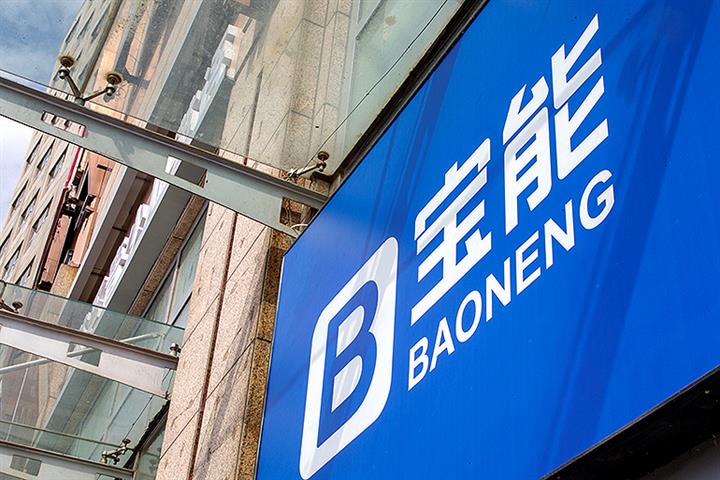
Baoneng Group (宝能集团), formally known as Shenzhen Baoneng Investment Group Co., Ltd., is a major Chinese conglomerate headquartered in Shenzhen. Founded in 1992 by Yao Zhenhua, the company evolved from a local food supplier into a multi-sector powerhouse spanning real estate, finance, retail, and automobiles. At its peak, Baoneng controlled large property assets, financial firms, and even a majority stake in Qoros Auto, reflecting its ambition to expand across industries.
Early Growth
Baoneng began in 1992 when Yao Zhenhua launched a vegetable supply business under Shenzhen’s “Shopping Basket Programme.” By 1997, it was formally incorporated as Shenzhen Xinbaokang, later renamed Baoneng. The group’s real breakthrough came in 2003 with its acquisition of Shum Yip Logistics, which gave it access to valuable property and land resources.
In 2005, the company completed Shenzhen Baoneng All City, a mixed-use development that became a model for its property ventures nationwide. By 2009, Baoneng was expanding aggressively, recording 30% annual growth through its commercial and residential real estate projects. In 2012, it launched Qian Hai Life Insurance Co., Ltd., marking its entry into financial services.
Vanke Takeover Battle
In 2015, Baoneng attempted a hostile takeover of real estate rival Vanke, using its insurance arm and investment subsidiaries to acquire a 22.45% stake. The move sparked a high-profile corporate battle, with Vanke’s chairman, Wang Shi, accusing Baoneng of using improper funding methods. The China Securities Regulatory Commission intervened, suspending Baoneng’s insurance operations. The failed takeover damaged Baoneng’s reputation and financial standing, though it highlighted its ambition to dominate the property sector.
Automotive Expansion
Baoneng entered the automotive industry in 2017, signing agreements to build a 300,000-unit capacity new energy vehicle (NEV) plant in Hangzhou. That same year, it acquired a 51% controlling stake in Qoros Auto for 6.63 billion yuan, later raising its stake to 63% in 2019.
Initially, Qoros sales grew under Baoneng’s management, but by 2021 annual sales had dropped from 22,700 units to just 5,200, reflecting operational struggles. Baoneng also invested in large NEV industrial parks in Guangzhou, Xi’an, and Kunming, and in 2020 acquired Changan PSA’s assets, later renaming the operation Shenzhen Baoneng Motor Co., Ltd.
Despite these ambitious plans, Baoneng’s auto ventures stalled due to financial strain, weak product pipelines, and debt crises. By 2023, its automotive business had nearly collapsed, with Qoros Auto reduced to a handful of operating outlets.
Retail and Diversification
In 2017, Baoneng launched its retail division, creating Wanmai convenience stores, Youbaoli supermarkets, Dongshi Xishi membership stores, and later Baoneng Fresh, a community grocery chain. By 2020, Baoneng Fresh had over 1,000 stores across China and even set an industry record by opening 403 outlets in one day. However, operational mismanagement and unprofitable expansion led to severe losses.
Financial Crisis and Decline
By 2020, Baoneng faced a liquidity crisis, with debts piling up from its rapid expansion in both retail and automobiles.
- In 2021, reports surfaced of layoffs, wage arrears, unpaid suppliers, and halted social security contributions, particularly within Baoneng Fresh and Baoneng Auto.
- By 2023, Chinese courts listed Baoneng Group’s total executed liabilities at over 41.7 billion yuan.
- Chairman Yao Zhenhua faced restrictions on spending, legal disputes, and even personal confrontations with unpaid employees.
Assets, including real estate projects and equity stakes, were auctioned to cover debts. Meanwhile, Qoros Auto’s licenses expired, production halted, and the Xi’an automotive base was stripped of its land rights.
Operations Today
At its core, Baoneng remains diversified, though severely weakened:
- Real Estate & Logistics: Dozens of malls and mixed-use properties remain under management.
- Finance: Through its insurance and investment arms, though many were downsized post-Vanke takeover fallout.
- Automobiles: Once envisioned as the foundation of “Manufacturing Baoneng,” now largely in collapse following Qoros’ decline.
- Retail: Baoneng Fresh and other ventures face operational struggles.
Conclusion
Once a rising star in China’s private sector, Baoneng Group has become a cautionary tale of overexpansion, debt crises, and failed diversification. From its roots in food supply to becoming a top real estate player and auto investor, Baoneng’s trajectory reflects both the opportunities and risks of China’s fast-growth economy. Its future depends on restructuring, asset sales, and whether it can stabilize its remaining core businesses.