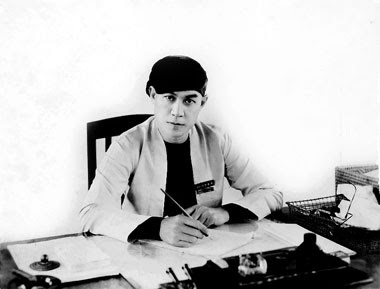
Ba Maw, born February 8, 1893, in Maubin, Burma (Myanmar), emerged as one of the most influential political leaders of his generation. He studied at Rangoon College and Calcutta University before moving to Europe, where he attended the University of Cambridge and the University of Bordeaux in France. In 1924 he earned a doctorate in law and was admitted to the English bar the same year.
Ba Maw gained public recognition in 1931 when he defended Saya San, leader of a major Burmese rebellion against British colonial rule. Although Saya San was executed, Ba Maw’s role as his lawyer established him as a national figure in Burmese politics.
Political Rise and Premiership
By the early 1930s, Ba Maw opposed Britain’s plan to separate Burma from the jurisdiction of the Indian viceroy. He argued that a standalone Burma would be granted less self-rule than India. However, by 1934 he shifted his stance, supporting the pro-separationists and joining a coalition government. That same year, he became minister of education.
When the new constitution separating Burma from India took effect on April 1, 1937, Ba Maw was chosen as the country’s first prime minister under British rule. His leadership marked a milestone in Burma’s march toward self-government. However, his tenure was short-lived—by February 1939, a coalition ousted him from power.
Role During World War II
After leaving office, Ba Maw co-founded the Freedom Bloc, which strongly opposed Burma’s participation on the Allied side in World War II. His stance led to his arrest by the British in August 1940 on charges of sedition.
He remained imprisoned until the Japanese invasion of Burma in 1942. The following year, the Japanese installed him as adipati (head of state) of an ostensibly independent Burma. In reality, Burma functioned as a Japanese satellite state. Ba Maw held this position until May 1945, when Japan was forced to retreat.
Later Years and Legacy
As Allied forces reentered Burma, Ba Maw fled to Japan. After the war he was captured, held briefly in an Allied prison, and later released. Although he attempted to reenter Burmese politics, his efforts proved unsuccessful. He eventually retired into private life.
Ba Maw died on May 29, 1977, in Yangon, leaving behind a legacy as both a pioneer of Burmese political independence and a controversial wartime collaborator.
Quick Facts
| Attribute | Details |
|---|---|
| Full Name | Ba Maw |
| Born | February 8, 1893, Maubin, Burma (Myanmar) |
| Died | May 29, 1977, Yangon (aged 84) |
| Titles / Offices | Prime Minister of Burma (1937–1939); Head of State (1943–1945) |
| Education | Rangoon College, Calcutta University, University of Cambridge, University of Bordeaux (Doctorate, 1924) |
| Notable Roles | Defense lawyer in Saya San’s trial, Founder of Freedom Bloc, WWII Adipati of Burma |