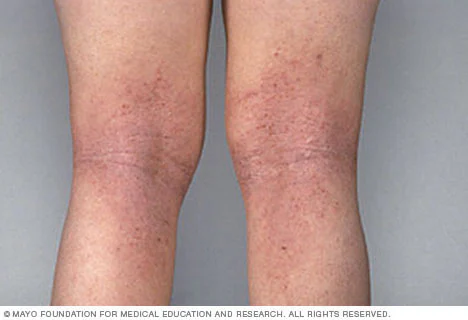
Atopic dermatitis, commonly referred to as eczema, is a chronic skin condition characterized by dry, itchy, and inflamed skin. Though it is not contagious, eczema can significantly impact the quality of life due to its recurring nature and the discomfort it causes. It often begins in childhood but can occur at any age.
Symptoms of Atopic Dermatitis
Eczema symptoms vary widely and can appear on any part of the body. Common signs include:
- Dry, cracked skin.
- Severe itching (pruritus).
- Red, inflamed, or discolored rash (may appear gray, purple, or brown depending on skin tone).
- Small, raised bumps that may ooze or crust over.
- Thickened or leathery skin from prolonged scratching.
- Skin discoloration around the eyes.
- Raw or sensitive skin caused by persistent scratching.
Symptoms often flare and subside, with periods of improvement between episodes.
When to See a Doctor
Consult a healthcare provider if:
- Symptoms interfere with daily activities or sleep.
- The rash appears infected (e.g., yellow scabs, pus, or streaking).
- Self-care measures fail to provide relief.
Seek immediate medical attention if a fever accompanies an infected rash.
Causes and Triggers
Eczema develops due to a weakened skin barrier that fails to retain moisture and protect against irritants, allergens, and bacteria. Contributing factors include:
- Genetics: Some people inherit gene variations that impact skin health.
- Bacterial imbalance: Overgrowth of Staphylococcus aureus can worsen symptoms.
- Environmental factors: Exposure to smoke, pollutants, and irritants can trigger flares.
Common triggers include:
- Dry skin.
- Rough fabrics (e.g., wool).
- Heat, sweat, or extreme cold.
- Stress and anxiety.
- Cleaning products, soaps, and fragrances.
- Pollen, mold, dust mites, and pet dander.
- Certain foods (especially in children), such as eggs and dairy.
Risk Factors
Your risk of developing eczema increases if:
- You or a family member have a history of eczema, asthma, or hay fever.
- You have existing allergies or sensitivities to environmental factors.
Complications
If left unmanaged, atopic dermatitis can lead to:
- Skin infections: Persistent scratching can cause open sores and cracks, increasing the risk of bacterial or viral infections.
- Asthma and hay fever: Eczema often precedes or coexists with these conditions.
- Food allergies: Particularly common in children with eczema.
- Chronic itchy, scaly skin: Known as neurodermatitis, this results from habitual scratching.
- Skin discoloration: Post-inflammatory hyperpigmentation or hypopigmentation can occur, especially in people with darker skin tones.
- Mental health challenges: Depression and anxiety are common due to the persistent itching and impact on sleep.
- Irritant hand dermatitis: Frequent exposure to water, soap, or chemicals can worsen symptoms.
Prevention
Adopting a consistent skincare routine can help prevent flares:
- Moisturize daily: Use unscented creams, ointments, or petroleum jelly.
- Bathe carefully: Use warm water (not hot) and limit baths or showers to 10 minutes. Avoid scrubbing the skin or using harsh soaps.
- Pat dry: Gently dry skin after bathing and apply moisturizer immediately.
- Avoid triggers: Identify and minimize exposure to personal irritants, such as fragrances, rough fabrics, or allergens.
Treatment
Treatment options include:
- Lifestyle changes:
- Regular moisturizing to restore the skin barrier.
- Avoiding known triggers.
- Medications:
- Topical corticosteroids: Reduce inflammation and itching.
- Calcineurin inhibitors: Help manage flares in sensitive areas like the face.
- Antihistamines: Relieve itching, especially at night.
- Oral medications: For severe cases, doctors may prescribe oral steroids or immunosuppressants.
- Light therapy (phototherapy): Controlled exposure to ultraviolet (UV) light can reduce symptoms in some cases.
Conclusion
Atopic dermatitis is a manageable but persistent condition. With proper skincare routines, trigger management, and medical guidance, individuals can reduce flare-ups and improve their quality of life. If symptoms persist or worsen, consult a healthcare provider for a tailored treatment plan.