
Nyongesa Sande
No Result
View All Result
  • News
    • World
    • Africa
  • Politics
  • Business
  • Tech
  • AI
  • Telecom
  • Sports
  • Opinion
  • Lifestyle
  • Live
  • World Cup 2026
    • World Cup 2026 Standings
    • World Cup 2026
Nyongesa Sande
  • About Us
    • Nyosake Designers
      • Nyosake Webmasters
      • Nyosake Investment
  • Contact Us
    • Newsroom Contact
  • Ownership Disclosure
  • Advertise
No Result
View All Result
Nyongesa Sande
No Result
View All Result
  • News
  • Politics
  • Business
  • Tech
  • AI
  • Telecom
  • Sports
  • Opinion
  • Lifestyle
  • Live
  • World Cup 2026
ADVERTISEMENT

Home » Atrial Flutter

Atrial Flutter

Overview, Symptoms, and Management

NyongesaSande News Desk by NyongesaSande News Desk
2 years ago
in Health
Reading Time: 5 mins read
A A
Atrial Flutter

Atrial Flutter

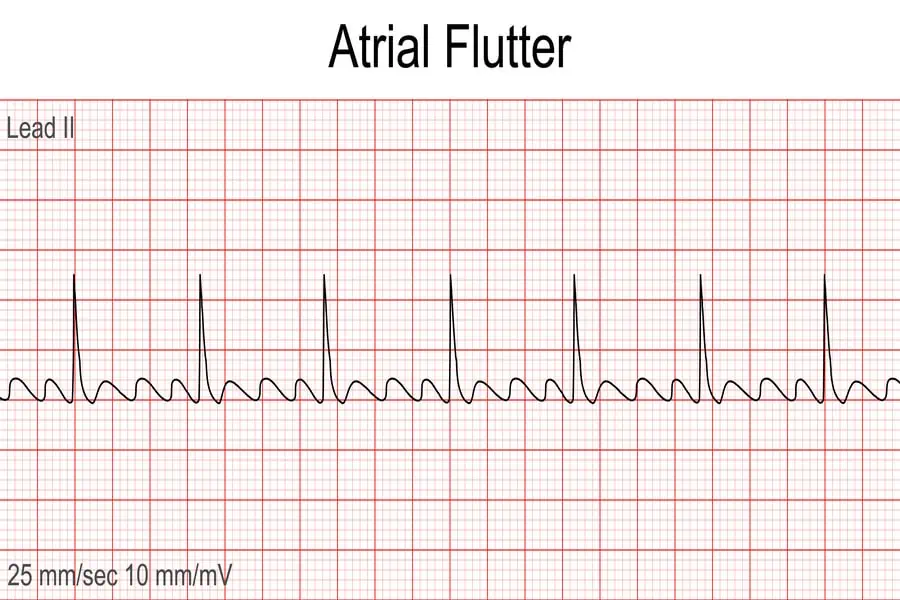
Atrial flutter is a type of arrhythmia characterized by a rapid but organized heart rhythm originating in the upper chambers of the heart (atria). It is closely related to atrial fibrillation (AFib), though the rhythm in atrial flutter is more regular. Both conditions can coexist in some individuals.

  • Symptoms of Atrial Flutter
  • When to See a Doctor
  • Causes of Atrial Flutter
  • Risk Factors
  • Complications of Atrial Flutter
  • Treatment Options
  • Prevention of Atrial Flutter
  • Conclusion

Symptoms of Atrial Flutter

Atrial flutter may not cause noticeable symptoms. When symptoms occur, they may include:

  • Pounding or rapid heartbeat.
  • Chest pain or discomfort.
  • Fainting or feeling faint.
  • Shortness of breath.
  • Fatigue or feeling unusually tired.

When to See a Doctor

If you experience any of the following symptoms, seek medical attention:

ADVERTISEMENT
  1. During routine checkups: If you notice an irregular or fast heartbeat, consult your doctor.
  2. Emergency care: Call 911 or seek immediate medical attention if you have:
    • Severe chest pain.
    • Shortness of breath.
    • Episodes of fainting or near-fainting.

Causes of Atrial Flutter

Atrial flutter occurs when there are changes in the heart’s electrical signaling system. This disruption causes the upper heart chambers to beat too quickly. Common causes include:

  • Heart surgery.
  • Structural heart problems such as valve disease or heart failure.
  • Underlying health conditions like chronic obstructive pulmonary disease (COPD) or pulmonary embolism.

Risk Factors

Certain factors increase the likelihood of developing atrial flutter:

ADVERTISEMENT
  • Age: The risk increases as you grow older.
  • Heart conditions: Heart failure, congenital heart defects, or recent heart surgery.
  • Lung diseases: COPD or pulmonary embolism.

Complications of Atrial Flutter

If untreated, atrial flutter can lead to serious complications:

  1. Atrial Fibrillation (AFib): About half of those with atrial flutter develop AFib within three years, increasing the risk of stroke.
  2. Stroke: Rapid and irregular heart rhythms can lead to blood clots that travel to the brain.
  3. Heart Failure: The fast rhythm can weaken the heart over time.
  4. Heart Attack: Poor blood flow can increase the risk of cardiac events.

Treatment Options

Management of atrial flutter focuses on restoring normal heart rhythm, controlling heart rate, and preventing complications:

  1. Medications:
    • Rate control drugs: Slow the heart rate.
    • Anti-arrhythmic medications: Restore a regular rhythm.
    • Anticoagulants: Prevent blood clots and reduce stroke risk.
  2. Cardioversion:
    • Electrical cardioversion: Uses a controlled electric shock to reset the heart rhythm.
    • Pharmacologic cardioversion: Involves medications to restore normal rhythm.
  3. Catheter Ablation:
    • A procedure to destroy the heart tissue causing the irregular rhythm.
    • Often used for recurrent or severe cases of atrial flutter.
  4. Lifestyle Modifications:
    • Adopting heart-healthy habits to reduce triggers and risks.

Prevention of Atrial Flutter

Steps to lower the risk of atrial flutter include:

ADVERTISEMENT
  • Quit smoking and avoid exposure to tobacco.
  • Eat a heart-healthy diet: Focus on fruits, vegetables, whole grains, and low-fat dairy while reducing salt and saturated fats.
  • Exercise regularly: Aim for at least 30 minutes most days of the week.
  • Limit caffeine and alcohol intake.
  • Manage stress: Practice relaxation techniques like meditation or yoga.
  • Control chronic conditions: Keep high blood pressure, cholesterol, and diabetes under control.
  • Prioritize sleep: Aim for 7 to 9 hours per night.

Conclusion

Atrial flutter is a manageable condition with appropriate treatment and lifestyle changes. Early diagnosis and intervention can prevent complications such as stroke and heart failure, allowing individuals to maintain a good quality of life. Regular checkups and adherence to prescribed therapies are essential for effective management.


ShareTweetSendShareScanSharePinShareShare
Google Add as a Preferred Source on Google
Previous Post

Atrial Fibrillation (AFib)

Next Post

Atrial Septal Defect (ASD)

NyongesaSande News Desk

NyongesaSande News Desk

Nyongesa Sande offers diverse content across news, technology, entertainment, and more, aiming to provide readers with a wide range of informative and engaging articles. NYONGESA SANDE's dedicated team provides our audience not only with the highly relevant news but also with outstanding interactive experience.

Related Posts

Kakamega Teaching and Referral Level 6 Hospital
Hospitals

Kakamega Level 6 Hospital Set for Completion by December 2026

11 hours ago
Sarah Ng’ang’a’s Journey Building Juja Modern Hospital
Hospitals

Sarah Ng’ang’a’s Journey Building Juja Modern Hospital

4 weeks ago
Accredited Rehabilitation Centres in Kenya: Full List, Contacts and Locations
Health

Accredited Rehabilitation Centres in Kenya: Full List, Contacts and Locations

4 weeks ago
Luhya Traditional Herbs and Indigenous Healing Practices in Western Kenya
Health

Luhya Traditional Herbs and Indigenous Healing Practices in Western Kenya

1 month ago
Enfield Royal Clinic Dubai Company Profile
Hospitals

Enfield Royal Clinic Dubai Company Profile

1 month ago
Hantavirus
Health

Hantavirus

2 months ago
Load More
Next Post
Atrial Septal Defect (ASD)

Atrial Septal Defect (ASD)

Atrial tachycardia

Atrial Tachycardia

ADVERTISEMENT

Who We Are

Nyongesa Sande

NyongesaSande.com is a digital news and media platform covering breaking news, business, technology, AI, politics, sports, world affairs and African innovation.

News Sections

  • News
    • World
    • Africa
  • Politics
  • Business
  • Tech
  • AI
  • Telecom
  • Sports
  • Opinion
  • Lifestyle
  • Live
  • World Cup 2026
    • World Cup 2026 Standings
    • World Cup 2026

Editorial Standards

  • Editorial Policy
  • Fact Checking Policy
  • Corrections Policy
  • Ethics Policy
  • AI Usage Policy
  • News Tips
  • Submit Press Release

Legal

  • Privacy Policy
  • Terms of Use
  • Cookie Policy
  • Risk Disclaimer
  • Disclaimer
  • DMCA
  • Ad Choices

Our Company

  • About Us
    • Nyosake Designers
      • Nyosake Webmasters
      • Nyosake Investment
  • Contact Us
    • Newsroom Contact
  • Ownership Disclosure
  • Advertise
  • Privacy Policy
  • Terms of Use
  • Cookie Policy
  • Risk Disclaimer
  • Disclaimer
  • DMCA
  • Ad Choices

NyongesaSande.com is an independent digital news and media platform covering Africa, business, technology, AI, politics and global developments.

© 2026 NyongesaSande.com. All rights reserved.

No Result
View All Result
  • News
    • World
    • Africa
  • Politics
  • Business
  • Tech
  • AI
  • Telecom
  • Sports
  • Opinion
  • Lifestyle
  • Live
  • World Cup 2026
    • World Cup 2026 Standings
    • World Cup 2026

NyongesaSande.com is an independent digital news and media platform covering Africa, business, technology, AI, politics and global developments.

© 2026 NyongesaSande.com. All rights reserved.