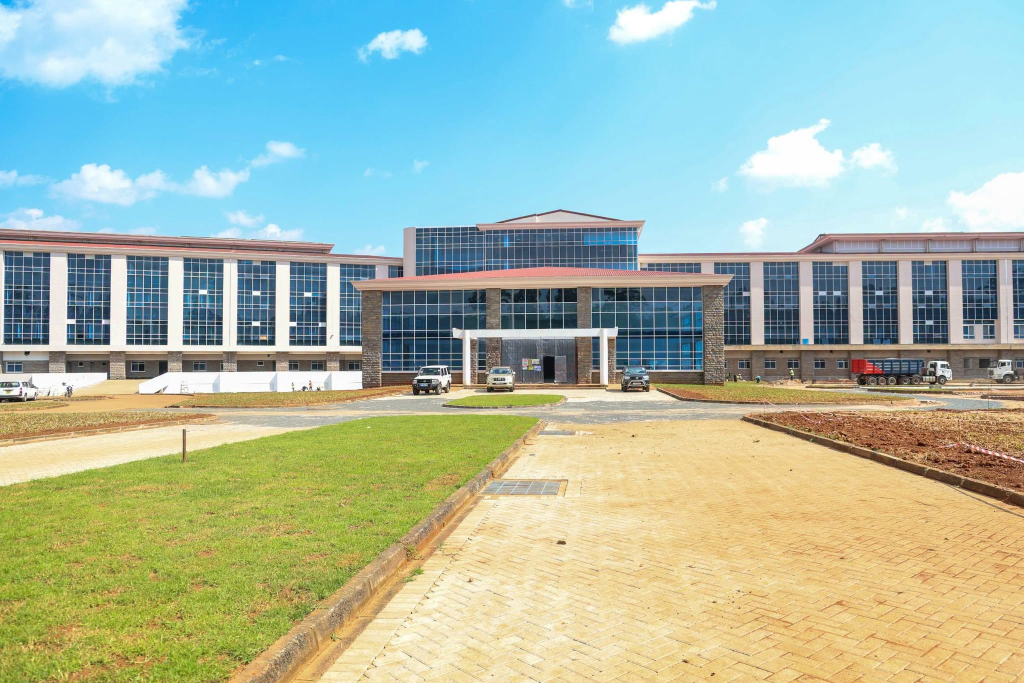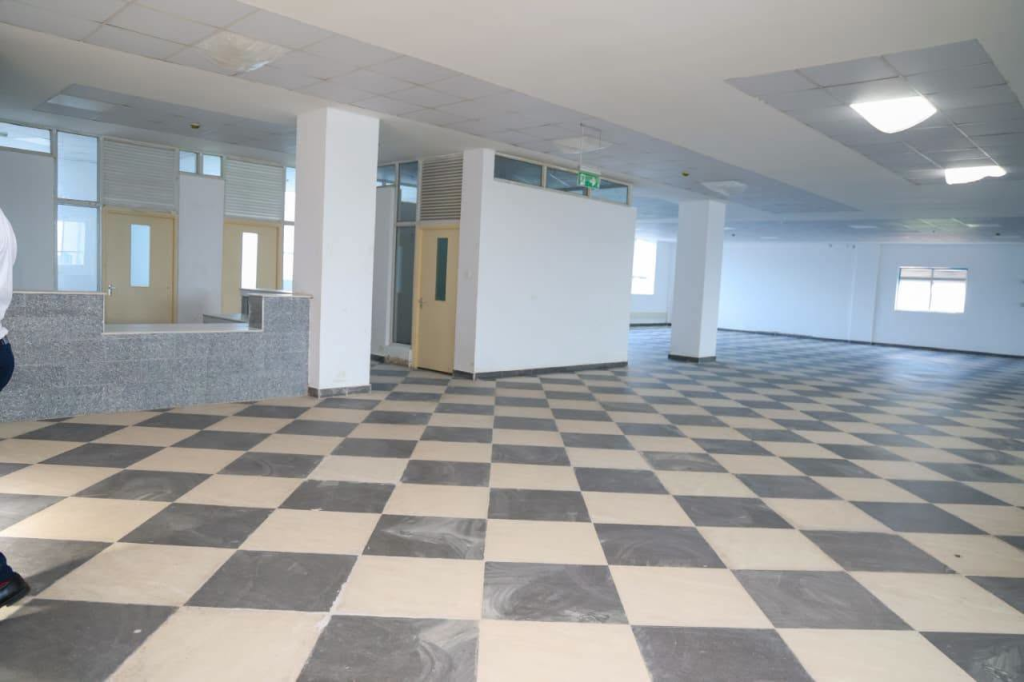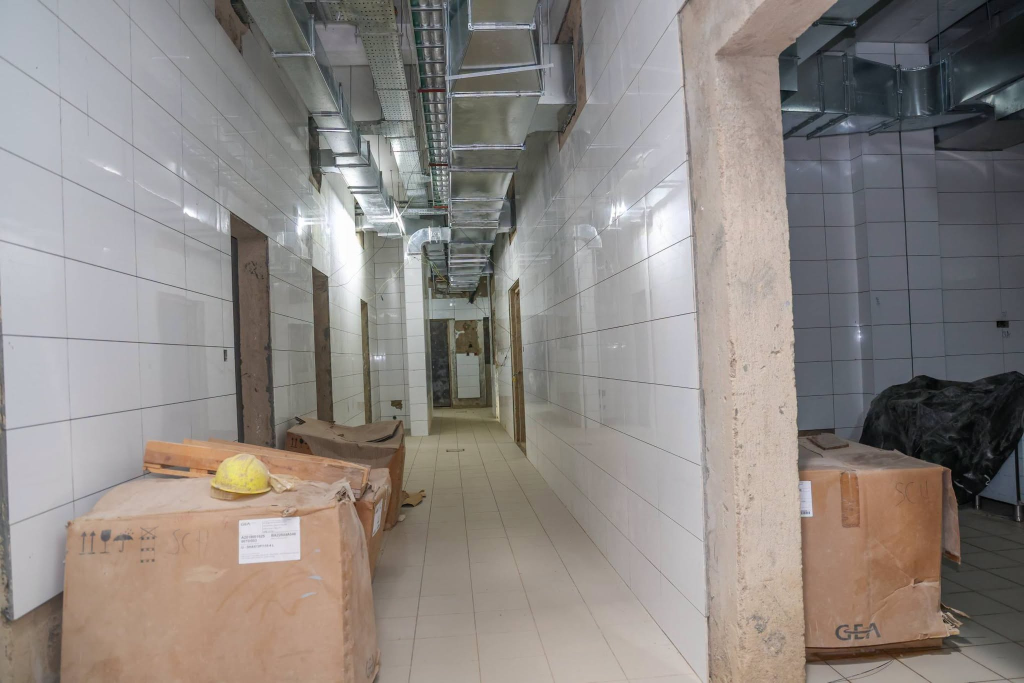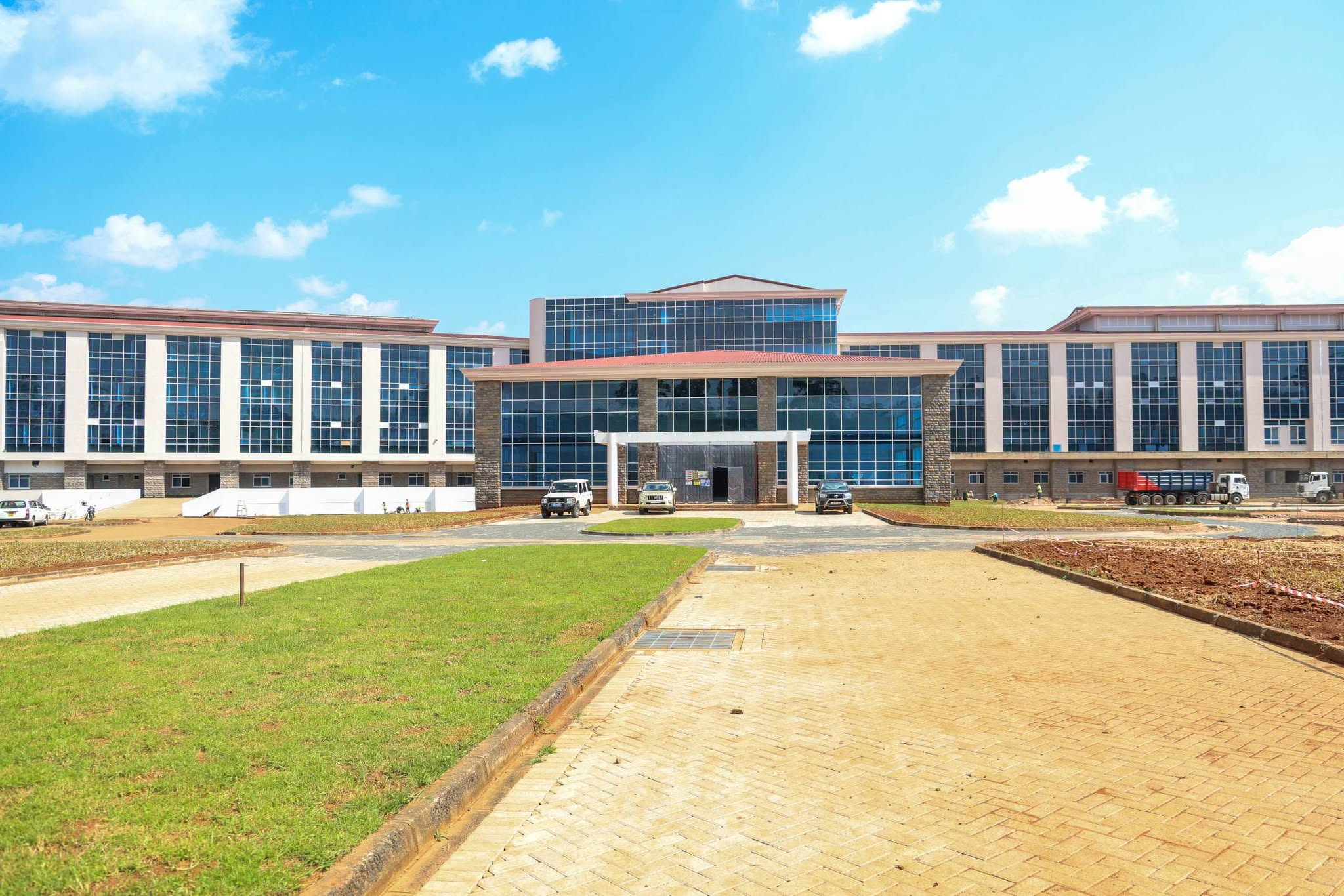
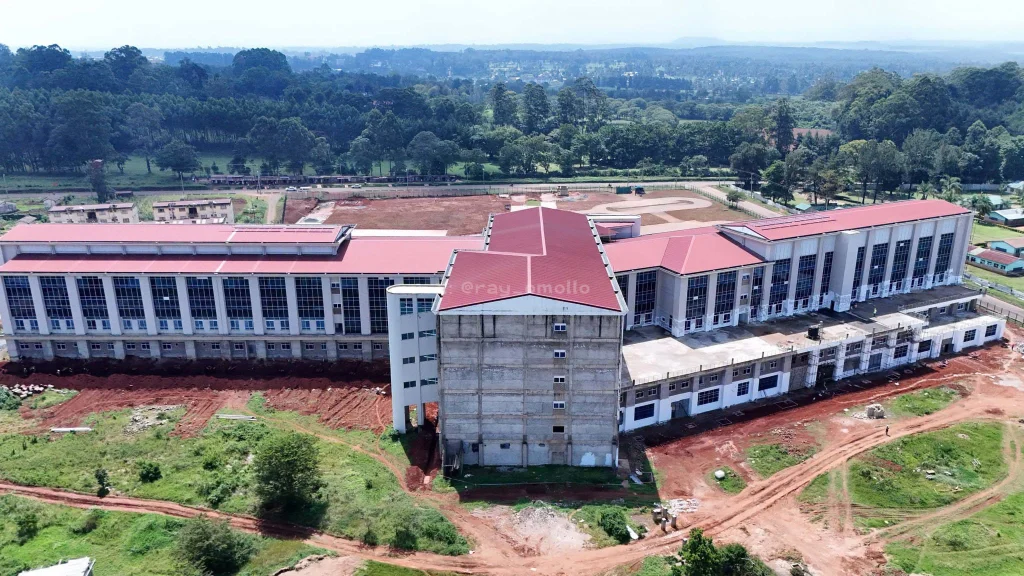
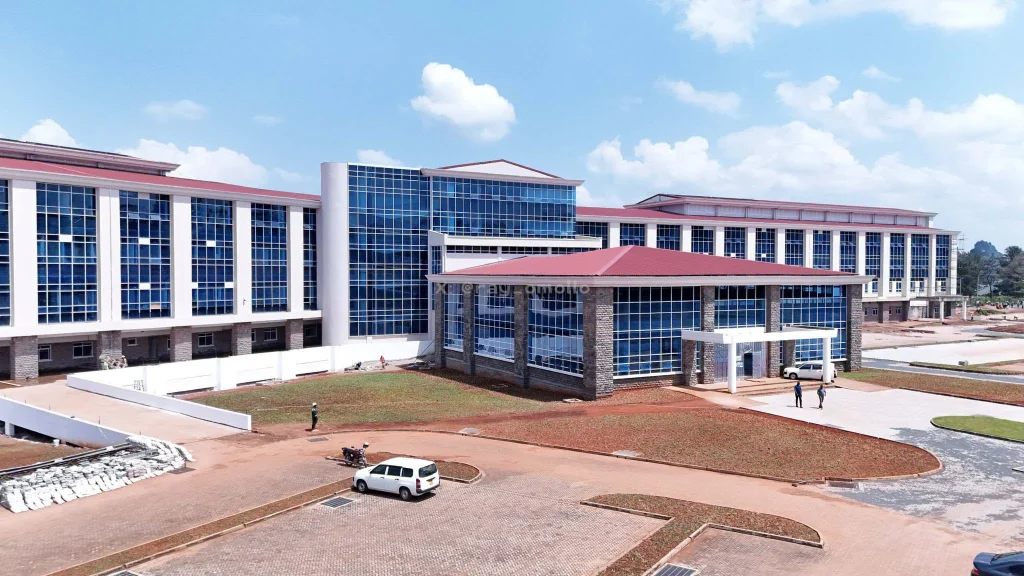
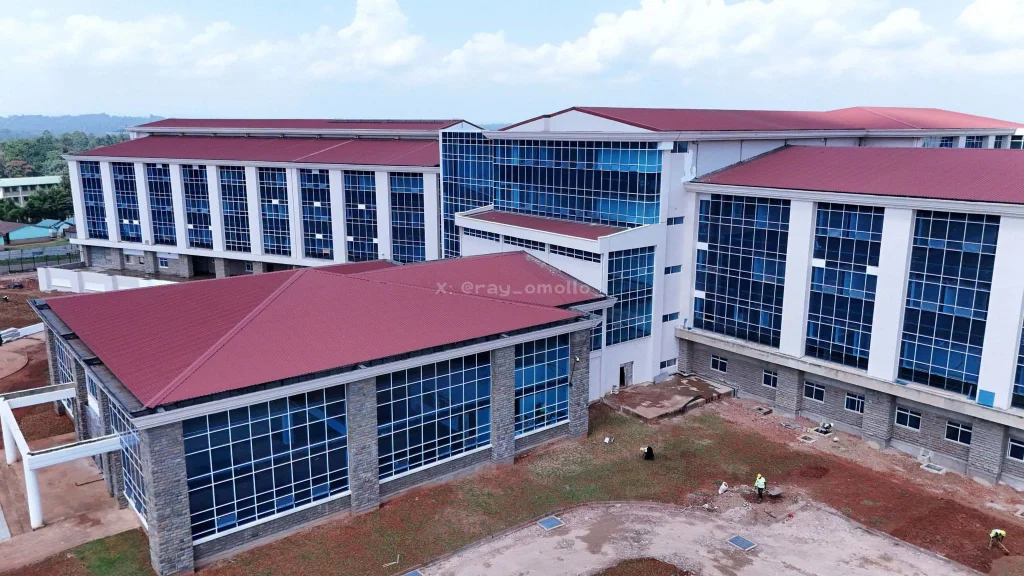
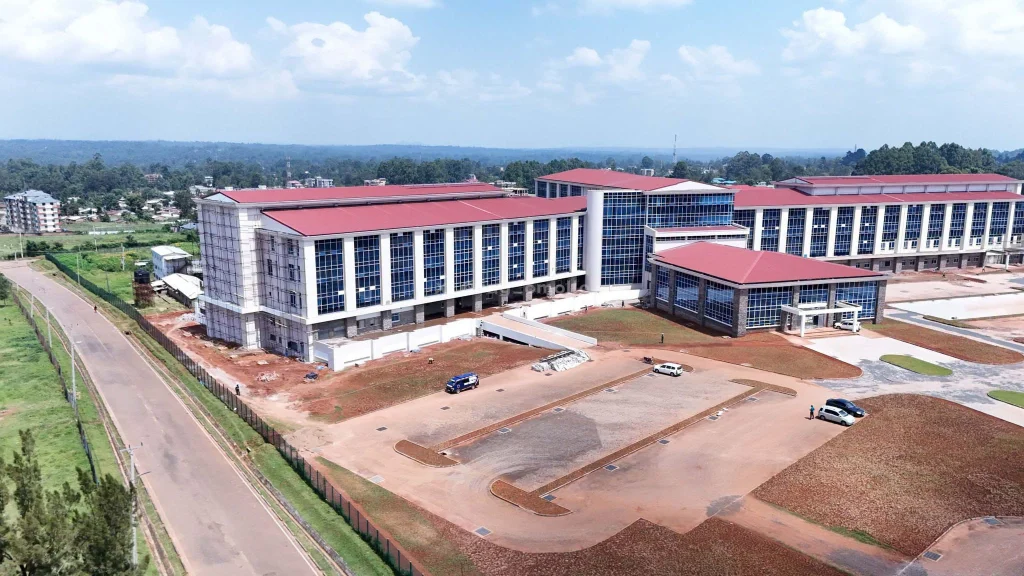
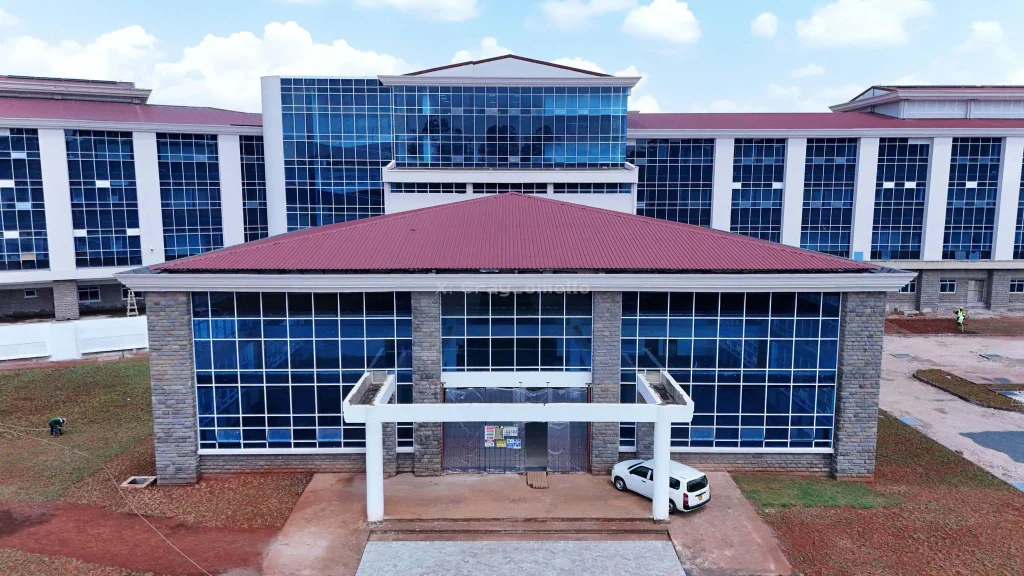
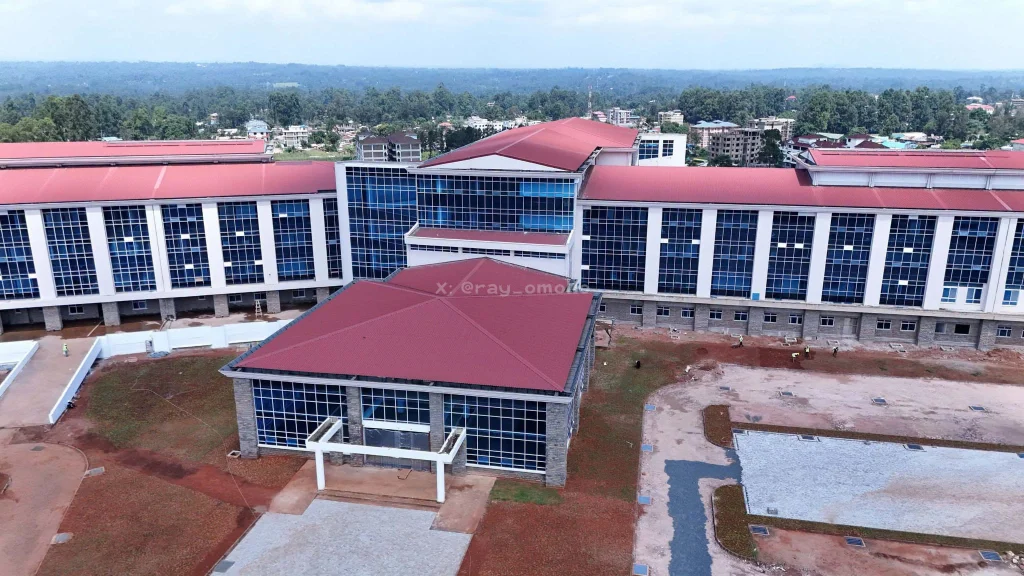
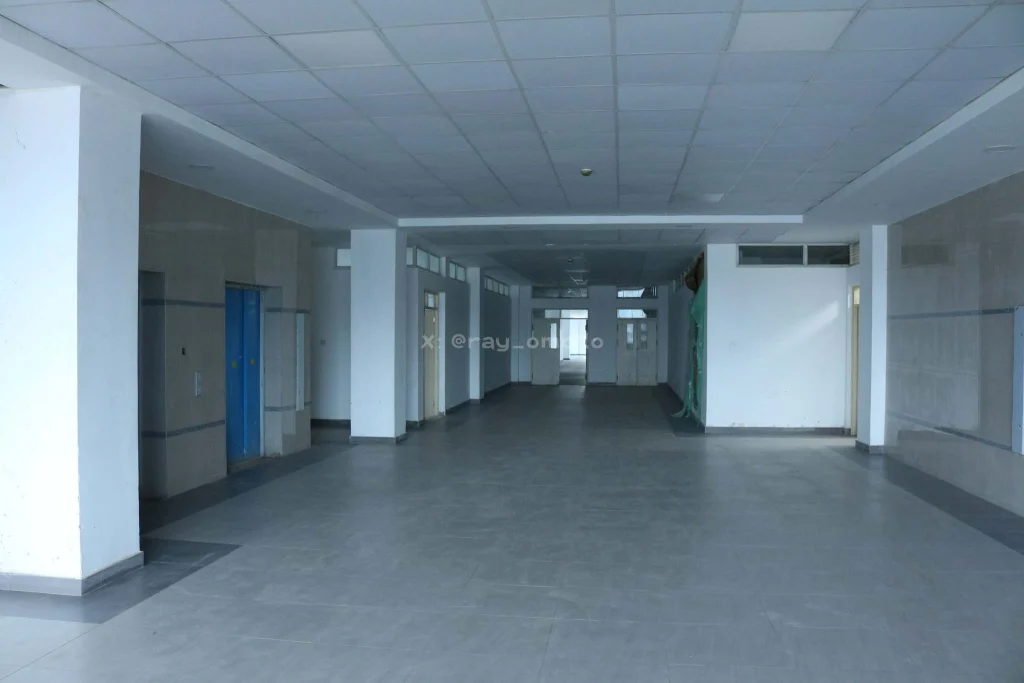
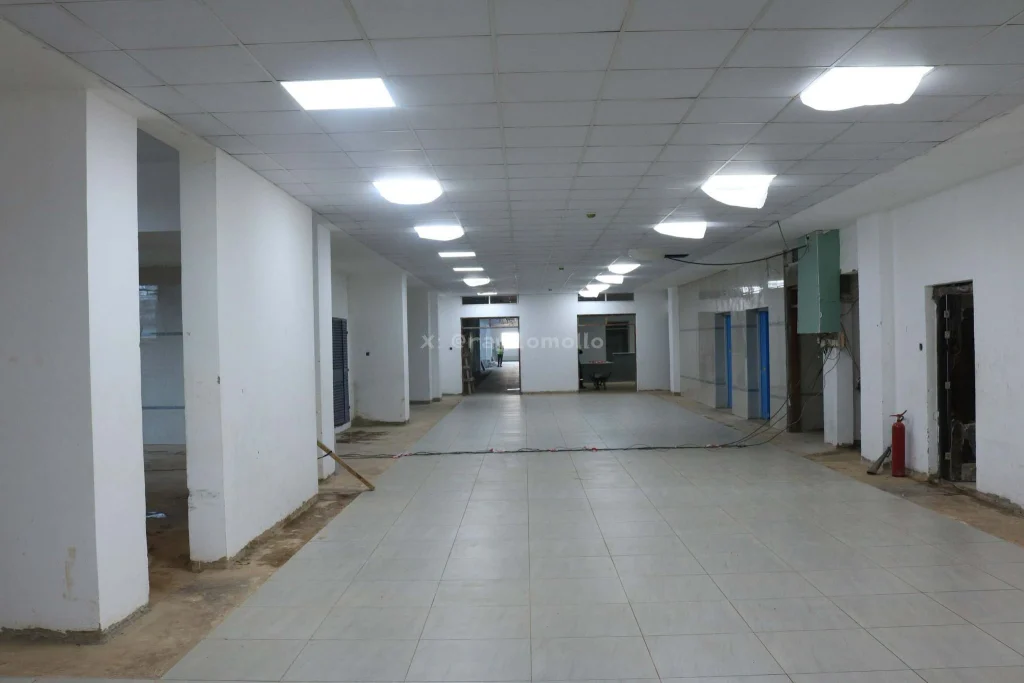
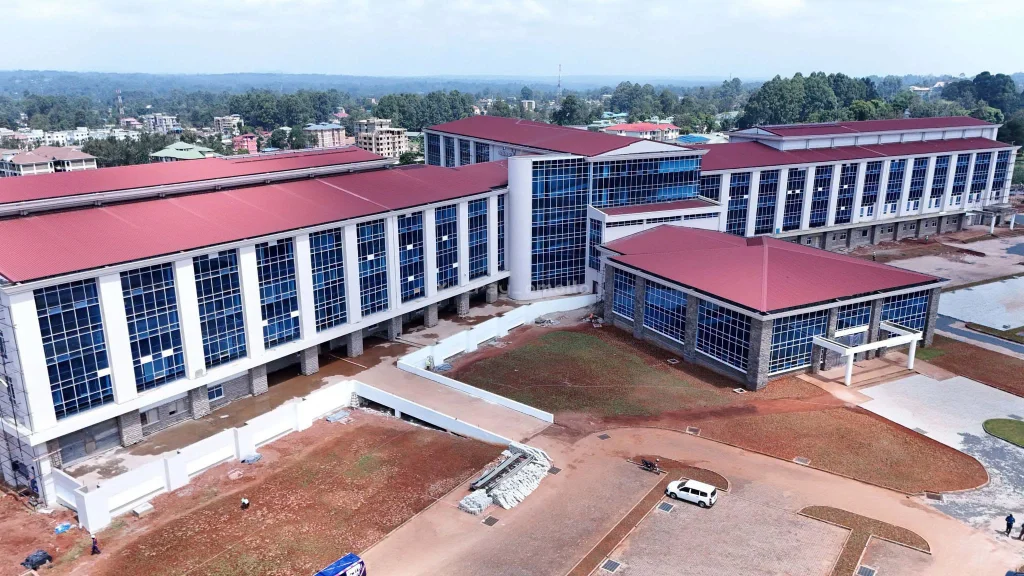
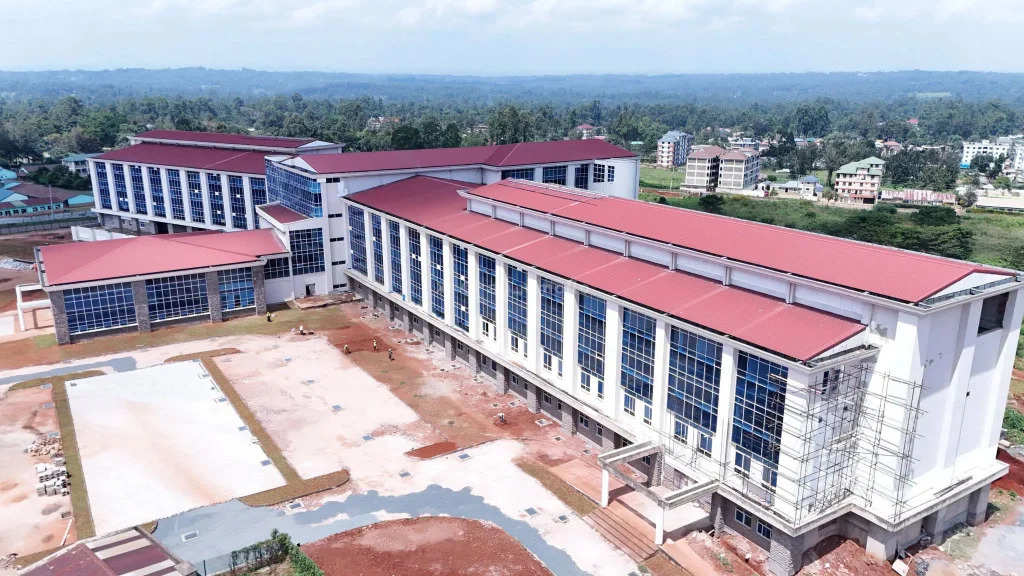
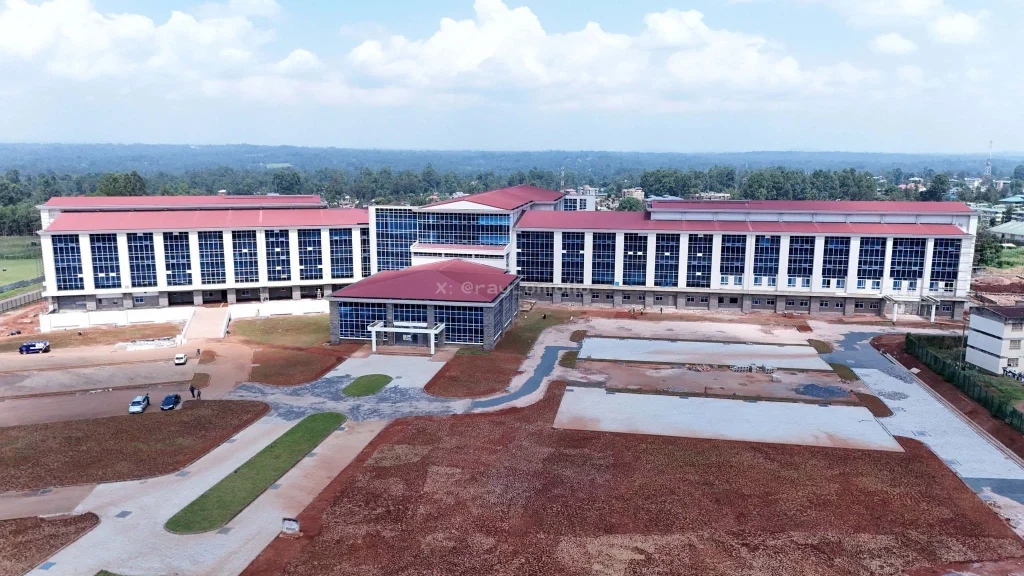
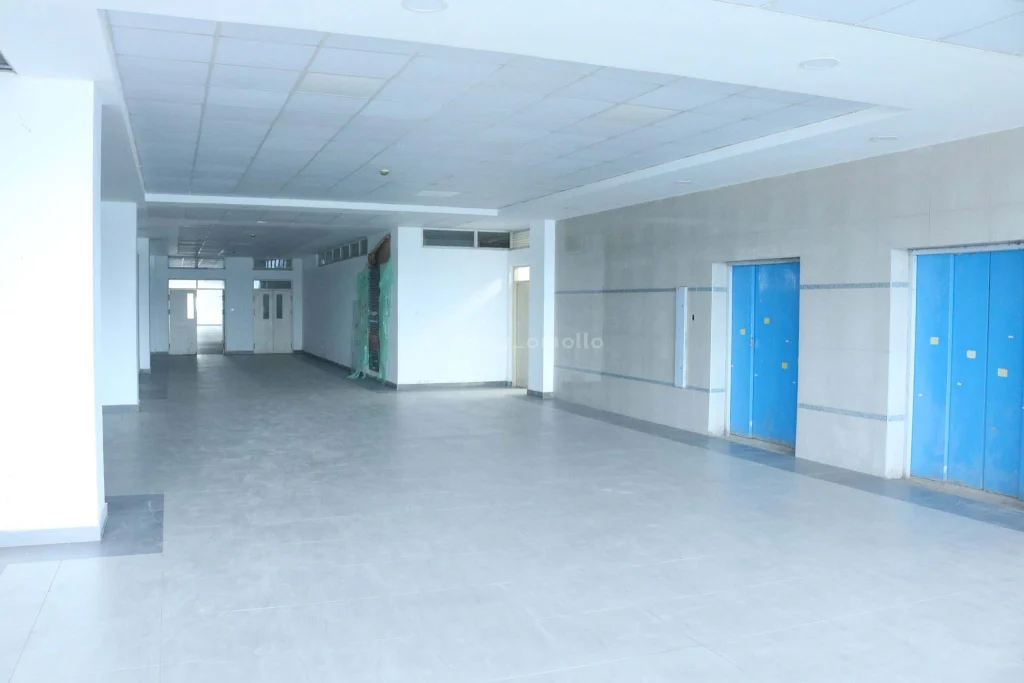
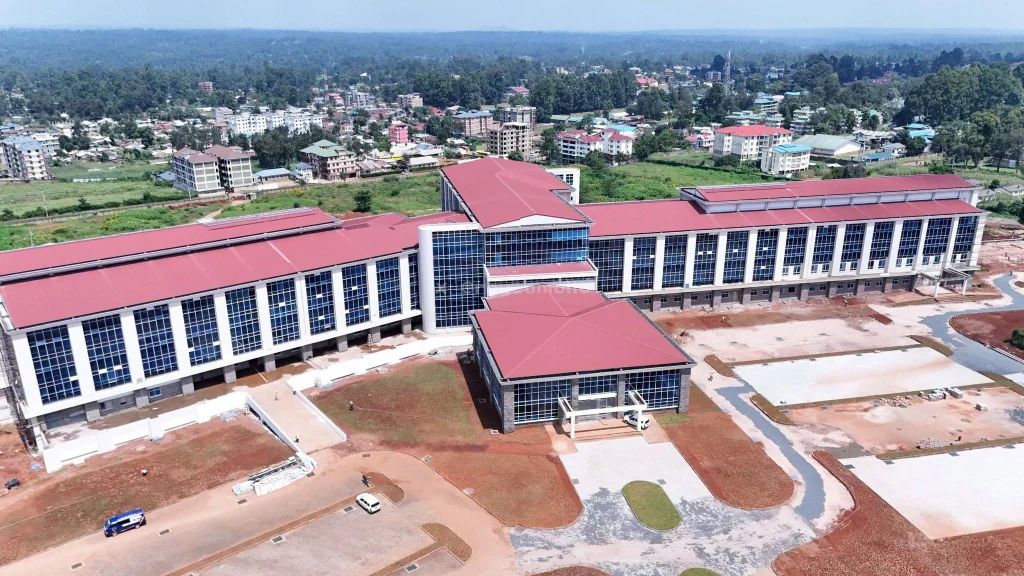
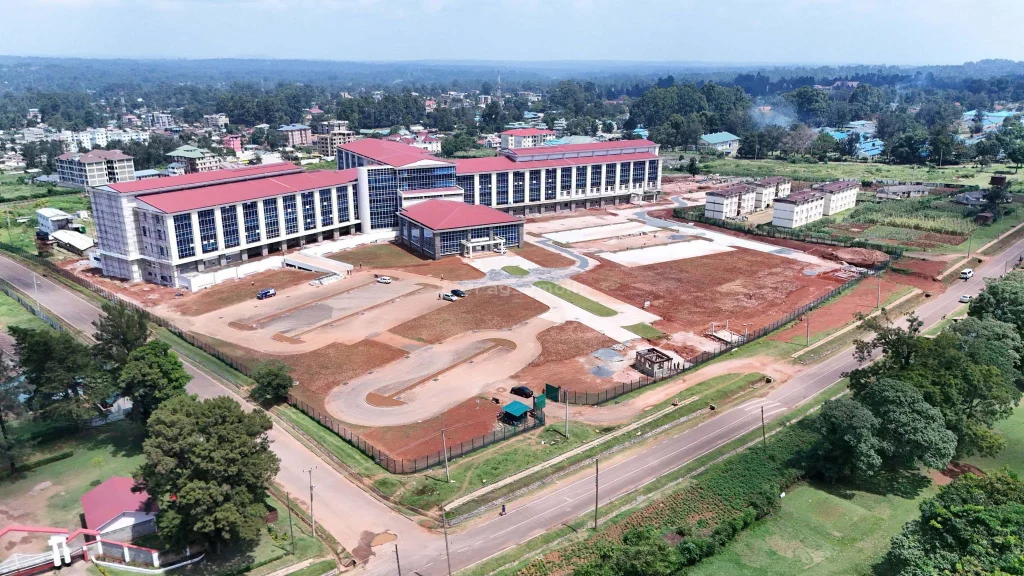
The Kakamega County Teaching and Referral Hospital, a 750-bed Level 6 facility under construction in Lurambi Sub-County, is on course for completion by December 2026, marking a major turning point for healthcare infrastructure in Western Kenya.
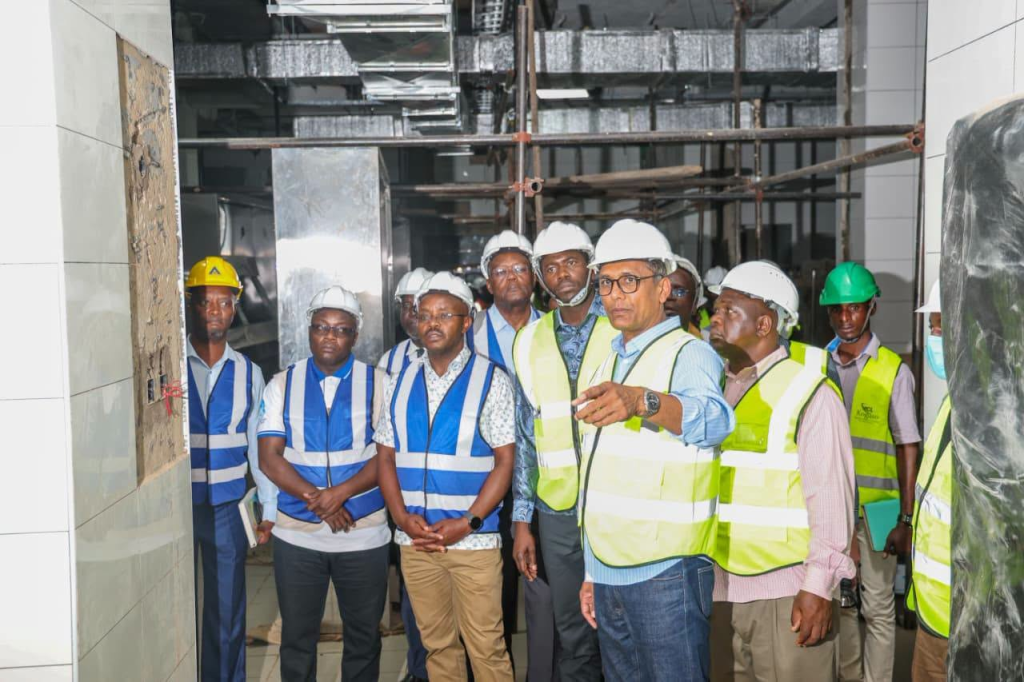
The project had stalled for more than four years, raising public concern as the multi-billion-shilling facility remained abandoned despite its strategic importance to the region. Its revival followed a formal handover by the County Government of Kakamega to the National Government, allowing Kenya Defence Forces engineers to take charge of completion works under a multi-agency implementation framework.
The Ministry of Defence described the hospital as one of the priority government projects being overseen under the Kenya Kwanza administration’s multi-agency infrastructure approach, while Kakamega County has also confirmed that the 750-bed Level 6 facility is being implemented through a partnership between the county and national governments.
A Regional Referral Hub for Western Kenya
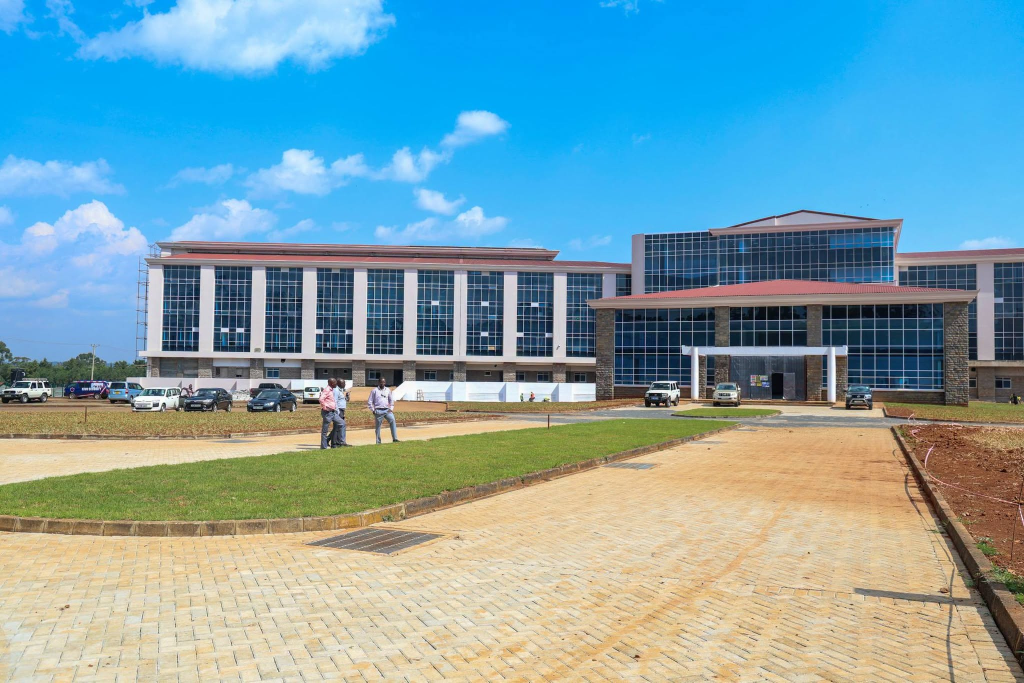
Once completed, the Kakamega County Teaching and Referral Hospital is expected to transform access to advanced medical care across Kakamega and the wider western region.
The facility is designed as a comprehensive referral hospital with specialised departments including oncology, maternity, neonatal care, renal care, emergency medicine, intensive care, diagnostics and blood banking. Its oncology centre is expected to include radiotherapy bunkers and linear accelerator capacity, improving access to cancer services that many patients currently seek outside the region.
The maternal and neonatal wing will include theatres, delivery suites and neonatal intensive care services, while renal and critical care units are expected to support haemodialysis and ICU services.
KDF Engineers Resume Works on Stalled Facility
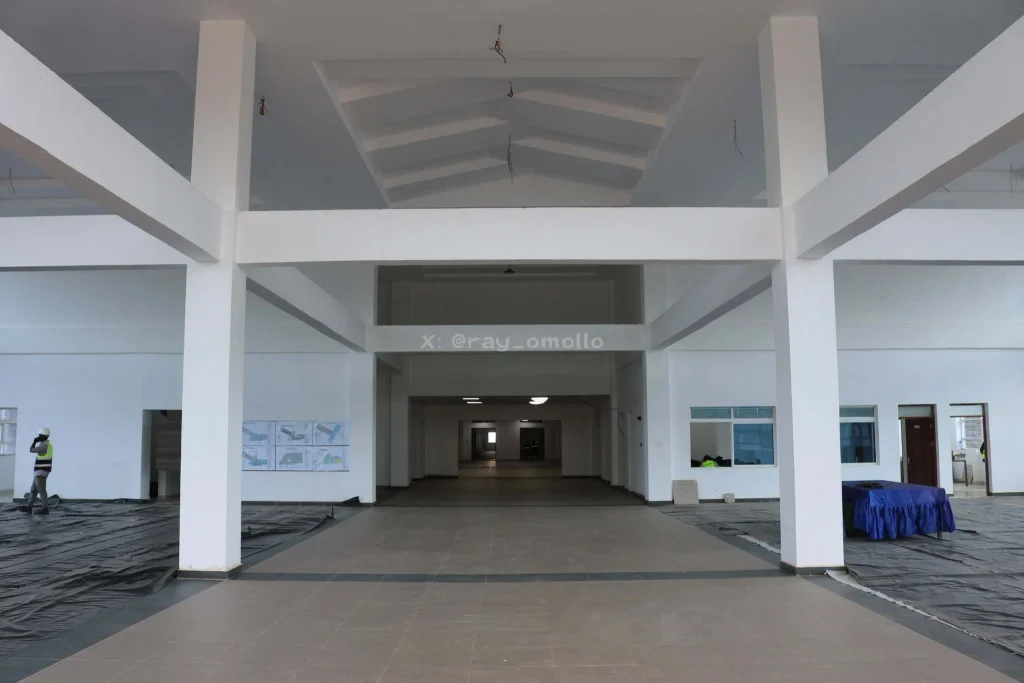
The intervention by KDF engineers has been central to the revival of the project after years of delay. The facility had suffered visible deterioration while works were stalled, prompting public pressure for action.
The handover to the National Government created a new delivery structure aimed at accelerating construction, protecting public investment and restoring confidence in the project.
Training, Jobs and Local Economic Impact
Beyond patient care, the hospital is positioned as a major teaching and clinical training hub for Masinde Muliro University of Science and Technology and other health training institutions.
Once fully operational, it is projected to support more than 5,000 jobs across clinical, technical, administrative and support services. This could make the facility one of the most important health-sector employers in Western Kenya.
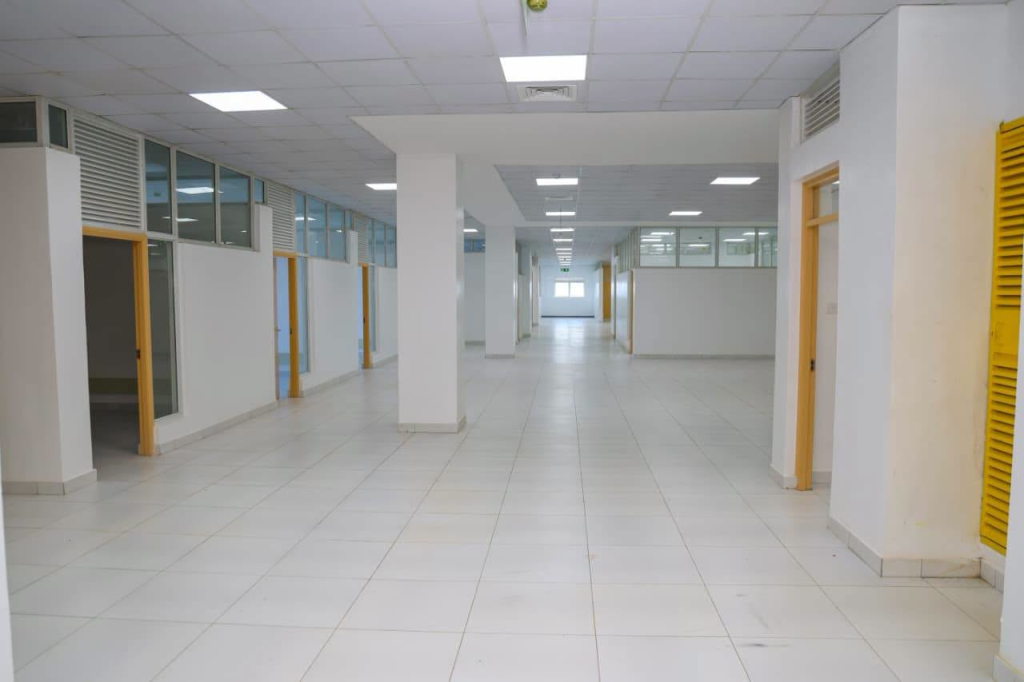
Security and Inter-Agency Oversight
The State Department for Internal Security and National Administration is providing coordinated oversight around site security, inter-agency alignment and protection of critical infrastructure.
This role is meant to ensure uninterrupted construction, safeguard equipment and personnel, and strengthen accountability as the project advances toward completion.
Why the Kakamega Level 6 Hospital Matters
The completion of the Kakamega County Teaching and Referral Hospital would reduce pressure on existing county and regional hospitals, expand access to specialised care and strengthen referral services across Western Kenya.
For patients, the project promises shorter travel distances for advanced treatment. For medical trainees, it offers a stronger clinical training environment. For the local economy, it represents jobs, service demand and long-term healthcare investment.
Conclusion
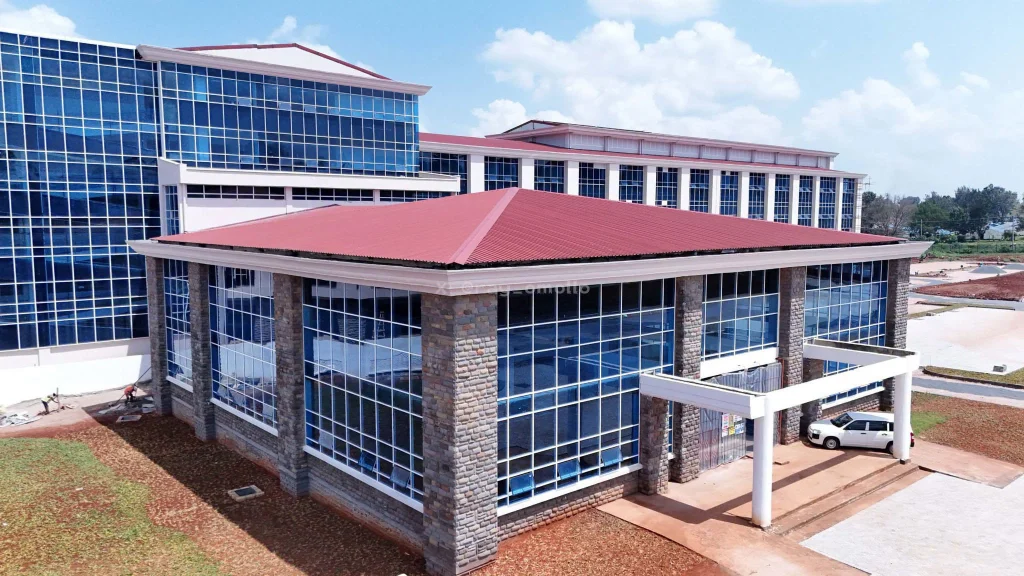
The revival of the Kakamega County Teaching and Referral Hospital marks a significant milestone in Kenya’s healthcare infrastructure agenda. If completed by December 2026 as planned, the 750-bed Level 6 facility could become one of Western Kenya’s most important public health investments, combining referral care, medical training, specialised treatment and economic impact in one regional hub.
Source: Kakamega County Gov