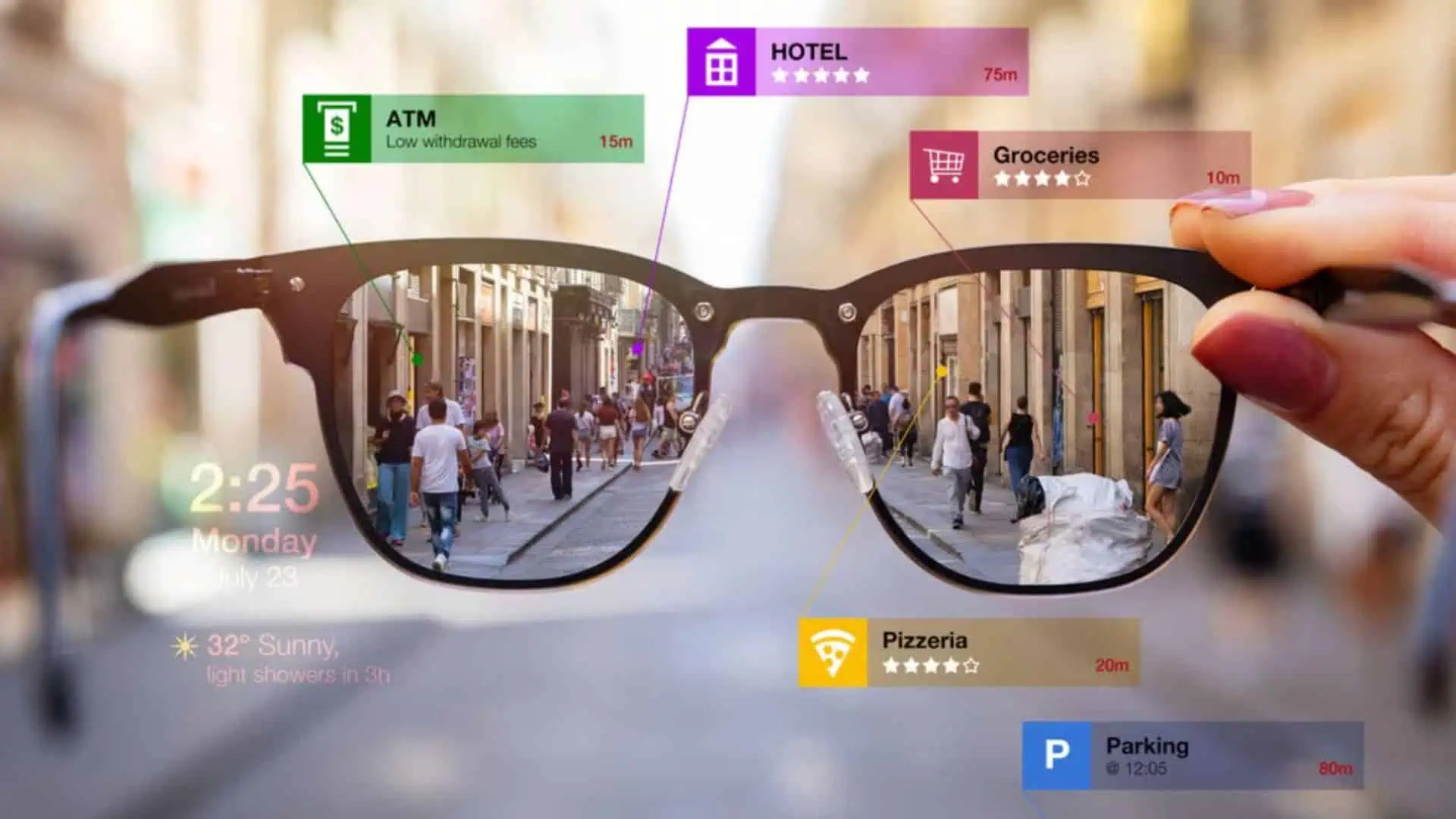
Apple’s smart glasses, a highly anticipated product, face a major challenge: battery life. The need for a lightweight, standalone device that doesn’t rely on large batteries poses a significant design dilemma. To address this, Apple appears to be avoiding iPhone-class chips and is instead opting for a more efficient alternative already part of its lineup.
Apple Watch Silicon Makes Sense for Smart Glasses
Instead of using an A-series chip, which powers iPhones, Apple is expected to use an Apple Watch System in Package (SiP). This would likely be the S10 chip, which features a dual-core CPU and a four-core Neural Engine. While the S10 chip doesn’t deliver iPhone-level performance, it prioritizes efficiency, making it ideal for devices like smart glasses.
The S10 chip offers enough computational power for tasks like handling cameras, enabling Siri, and managing on-device AI while consuming far less power. This efficiency is crucial when dealing with a small, low-capacity battery (under 800mAh).
Battery Reality Shapes the Design of Apple’s Smart Glasses
Apple’s experience with portable hardware has given it a clear understanding of battery limitations. For example, the Vision Pro uses a 35.9Wh battery but lasts about three hours—far too heavy for a pair of smart glasses. In contrast, the Apple Watch Ultra 3, using the same S10 chip, lasts up to 42 hours in normal use and up to 72 hours in Low Power Mode.
Reports indicate that Apple will rely on iPhone tethering for more demanding AI tasks, which will reduce the strain on the glasses’ battery while still providing access to more complex tasks like visual intelligence, scene analysis, and voice control.
Apple Smart Glasses Coming by 2026: What We Know So Far
The first version of Apple’s smart glasses is expected to launch in 2026, without a display, and will wirelessly connect to an iPhone or Mac. The full launch may happen in 2027, with a second-generation model potentially running two operating systems, depending on the connected device. Mark Gurman, a well-known industry insider, notes that Apple is taking a cautious approach, learning from earlier industry failures, and focusing primarily on design and battery life.
Competition Is Moving Fast
While Apple is taking its time, competitors are moving quickly. Google is reentering the smart glasses market, joining forces with Samsung and fashion brands. Meta already sold over one million units of its smart glasses last year, and Chinese companies like Alibaba and Xiaomi are pushing more affordable AI glasses.
As one insider put it, “Competition for the next platform after smartphones is about to intensify.”
Conclusion
Apple’s smart glasses are set to address one of the most pressing issues in wearables: battery life. By using the Apple Watch S10 chip, the glasses will offer sufficient performance while maintaining a small, lightweight design. With competitors closing in fast, Apple’s careful approach to design, efficiency, and battery life will be key to its success in the evolving smart glasses market.