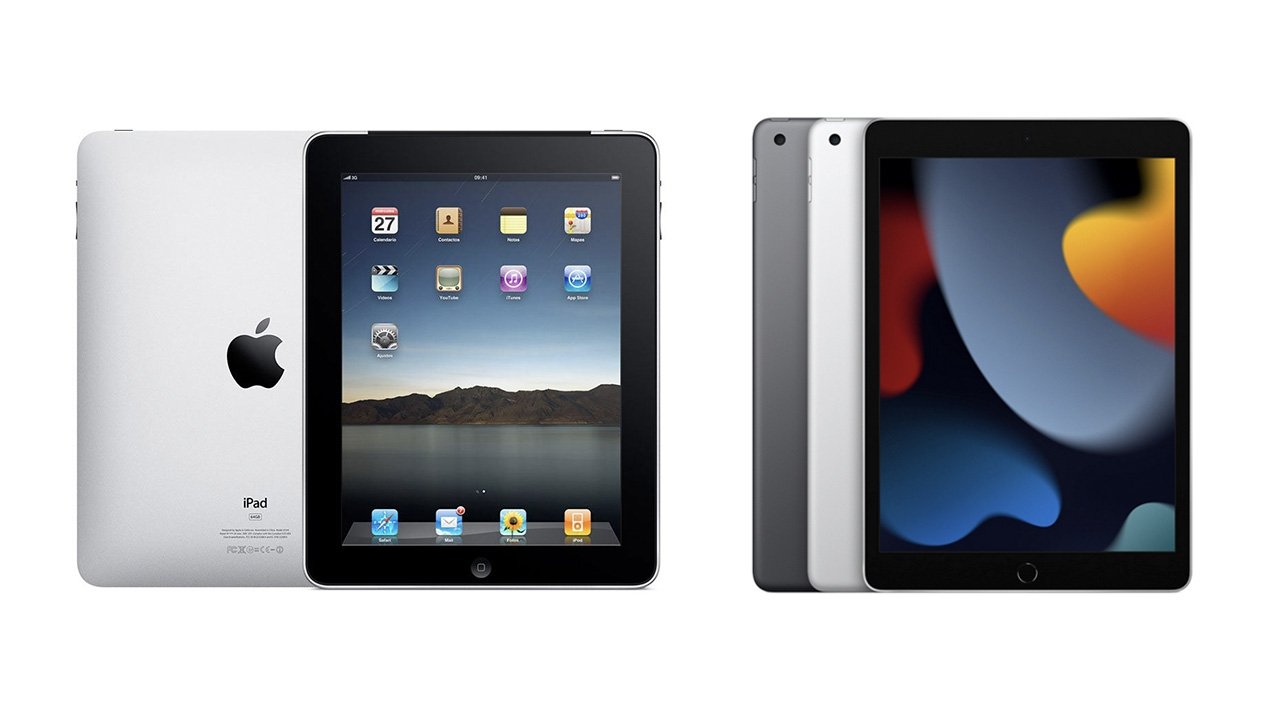
The Apple iPad Wi-Fi (Early 2010), first announced in January 2010 and released in March of the same year, marked Apple’s entry into the tablet market, revolutionizing portable computing. This first-generation iPad was designed to bridge the gap between smartphones and laptops, offering a new way to browse the web, consume media, and handle productivity tasks on a larger screen. Although discontinued, the original iPad remains an iconic device that laid the foundation for future tablet innovations. Below, we explore the detailed specifications and provide an in-depth review of the Apple iPad Wi-Fi (Early 2010).
Apple iPad Wi-Fi (Early 2010) Specifications
| Specification | Details |
|---|---|
| Network Technology | No cellular connectivity |
| 2G bands | N/A |
| GPRS/EDGE | No |
| Announced | January 2010 |
| Released | March 2010 |
| Status | Discontinued |
| Dimensions | 242.8 x 189.7 x 13.4 mm (9.56 x 7.47 x 0.53 in) |
| Weight | 680 g (1.50 lb) |
| SIM | No |
| Display Type | IPS LCD |
| Display Size | 9.7 inches, 291.4 cm2 (~63.3% screen-to-body ratio) |
| Resolution | 768 x 1024 pixels, 4:3 ratio (~132 ppi density) |
| Protection | Scratch-resistant glass, oleophobic coating |
| OS | iOS 4, upgradable to iOS 5.1.1 |
| Chipset | Apple A4 (45 nm) |
| CPU | 1.0 GHz Cortex-A8 |
| GPU | PowerVR SGX535 |
| Internal Storage | 16GB 256MB RAM, 32GB 256MB RAM, 64GB 256MB RAM, no expandable storage |
| Main Camera | No |
| Selfie Camera | No |
| Loudspeaker | Yes |
| 3.5mm Jack | Yes |
| WLAN | Wi-Fi 802.11 a/b/g/n, dual-band |
| Bluetooth | 2.1, A2DP, EDR |
| Positioning | No |
| Radio | No |
| USB | 2.0 |
| Sensors | Accelerometer |
| Browser | HTML (Safari) |
| Additional Features | MP3/WAV player, MP4/H.264 player, Document viewer |
| Battery | Non-removable Li-Po 6600 mAh battery (24.8 Wh) |
| Colors | Silver |
| Models | iPad1,1 |
| Price | About 310 EUR |
| Tests | Display: Contrast ratio 776:1 (nominal) |
Review of the Apple iPad Wi-Fi (Early 2010)
Design and Build Quality
The Apple iPad Wi-Fi (Early 2010) set a new standard for tablet design with its sleek and minimalist appearance. Measuring 242.8 x 189.7 x 13.4 mm and weighing 680 g, the iPad was both portable and sturdy, making it easy to carry around while providing a premium feel. The device featured a silver aluminum back, which not only added to its durability but also gave it a sophisticated look that aligned with Apple’s design ethos.
The iPad’s 9.7-inch IPS LCD display was another highlight, offering a clear and vibrant viewing experience. With a resolution of 768 x 1024 pixels and a 4:3 aspect ratio, the screen was perfect for browsing the web, reading e-books, and watching videos. The inclusion of scratch-resistant glass and an oleophobic coating ensured that the display remained pristine, even with frequent use.
Display
The iPad’s 9.7-inch display was a game-changer at the time, offering a large and immersive screen that was ideal for various multimedia and productivity tasks. Although the 132 ppi density may seem low by today’s standards, it was sufficient for the content available at the time, providing clear and detailed visuals. The use of IPS technology ensured wide viewing angles, making the iPad a pleasure to use in different orientations and lighting conditions.
Performance
Powered by the Apple A4 chipset, the iPad delivered solid performance for the tasks it was designed for. The 1.0 GHz Cortex-A8 CPU and PowerVR SGX535 GPU allowed for smooth operation of the iOS interface, as well as handling apps, games, and media playback with ease. The device originally shipped with iOS 4 but was upgradable to iOS 5.1.1, giving users access to a wider range of apps and features.
With 256MB of RAM and storage options of 16GB, 32GB, and 64GB, the iPad provided enough space for most users’ needs at the time. However, the lack of expandable storage meant that users had to manage their content carefully.
Camera
The first-generation iPad did not include a camera, which was a notable omission compared to later models. This limited the device’s use for photography and video calls, but it was still highly functional for other tasks like web browsing, media consumption, and document viewing.
Battery Life
The iPad was equipped with a non-removable Li-Po 6600 mAh battery, offering up to 10 hours of usage on a single charge. This impressive battery life was one of the iPad’s standout features, allowing users to work, play, and stay connected throughout the day without needing to recharge frequently.
Connectivity and Other Features
The iPad supported Wi-Fi 802.11 a/b/g/n for fast and reliable internet access, as well as Bluetooth 2.1 with A2DP and EDR for connecting to wireless peripherals like keyboards and headphones. However, the device lacked cellular connectivity and GPS, limiting its use when away from Wi-Fi networks.
The iPad also included a 3.5mm headphone jack and a USB 2.0 port for charging and data transfer. The device was equipped with an accelerometer, which allowed for automatic screen rotation based on how the device was held.
Verdict
The Apple iPad Wi-Fi (Early 2010) was a revolutionary device that defined the tablet market for years to come. Its sleek design, large display, and solid performance made it a versatile tool for both work and play. While it lacked features like cameras and cellular connectivity, it more than made up for it with its intuitive interface, long battery life, and the sheer novelty of a tablet that could do so much in such a portable form factor.
For tech enthusiasts and collectors, the original iPad represents a significant piece of technology history, showcasing Apple’s vision for portable computing that continues to evolve to this day.
Buy from Best Buy
Disclaimer: We cannot guarantee that the information on this page is 100% correct.