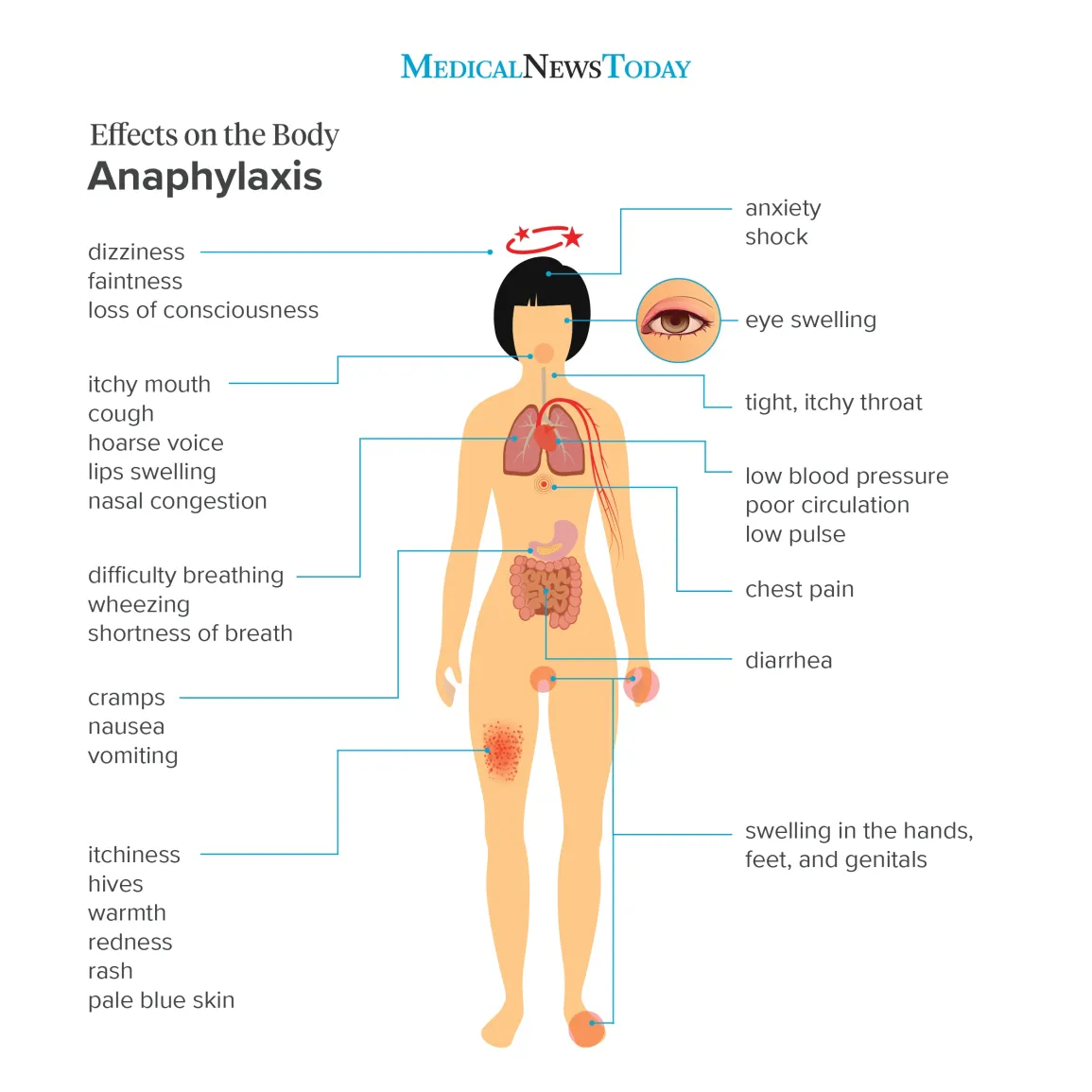
Anaphylaxis is a severe, life-threatening allergic reaction that can occur within seconds or minutes of exposure to an allergen. Common triggers include foods like peanuts, shellfish, or milk, insect stings, certain medications, and latex. Without immediate treatment, anaphylaxis can lead to fatal outcomes. Understanding its causes, symptoms, and management can save lives.
What Is Anaphylaxis?
Anaphylaxis occurs when the immune system releases a flood of chemicals in response to an allergen. This overreaction leads to:
- Sudden blood pressure drops (hypotension).
- Constriction of airways, causing breathing difficulties.
- Rapid, weak pulse, leading to cardiovascular shock.
- Severe skin reactions, such as hives and redness.
- Gastrointestinal distress, including nausea, vomiting, or diarrhea.
Key Triggers of Anaphylaxis
The most common causes of anaphylaxis include:
- Foods:
- Peanuts, tree nuts, shellfish, fish, milk, wheat, soy, and sesame are frequent culprits.
- For children, food allergies are often the primary cause.
- Medications:
- Antibiotics like penicillin.
- Pain relievers such as aspirin or NSAIDs.
- IV contrast used in medical imaging tests.
- Insect Stings:
- Bees, wasps, hornets, yellow jackets, and fire ants.
- Latex:
- Found in medical gloves, balloons, and some elastic materials.
- Exercise-Induced Anaphylaxis:
- Rare, triggered by physical activity, often in combination with specific foods or environmental conditions like heat or humidity.
Symptoms of Anaphylaxis
Symptoms of anaphylaxis generally appear within minutes of allergen exposure but can also be delayed by 30 minutes or longer. Common symptoms include:
- Skin reactions: Hives, flushed or pale skin, and severe itching.
- Respiratory distress: Difficulty breathing, wheezing, and throat swelling.
- Cardiovascular effects: Low blood pressure, weak and rapid pulse.
- Gastrointestinal issues: Nausea, vomiting, abdominal pain, and diarrhea.
- Neurological symptoms: Dizziness, fainting, or confusion.
Biphasic Anaphylaxis
In some cases, symptoms may return after an initial improvement, known as biphasic anaphylaxis. This secondary reaction underscores the importance of seeking emergency care even after initial symptoms subside.
When to Seek Emergency Care
Seek immediate medical attention if:
- You or someone else experiences symptoms of anaphylaxis.
- An epinephrine autoinjector (like EpiPen) is available, administer it right away.
- Always call 911 after using an epinephrine injection, as further medical monitoring is critical.
Causes of Anaphylaxis
Anaphylaxis results from the immune system’s overreaction to a harmless substance. For some, the body produces antibodies against allergens, and subsequent exposure causes a massive immune response. This includes the release of histamines and other chemicals, leading to the symptoms of anaphylaxis.
Risk Factors
Certain factors increase the likelihood of experiencing anaphylaxis:
- Previous Anaphylaxis:
- A past reaction increases the risk of future, more severe reactions.
- Existing Allergies or Asthma:
- Individuals with these conditions are at a higher risk.
- Other Medical Conditions:
- Mastocytosis (excessive white blood cells) and heart disease heighten risk.
Complications of Anaphylaxis
Untreated anaphylaxis can result in severe complications:
- Airway blockage, leading to respiratory failure.
- Cardiovascular collapse, causing shock or death.
- Brain damage due to lack of oxygen.
Prevention
1. Avoid Triggers
- Foods: Read food labels carefully and inquire about ingredients at restaurants.
- Insects: Wear protective clothing and avoid scented products outdoors.
- Medications: Inform healthcare providers about known allergies.
2. Use Medical Alert Devices
- Wear a medical alert bracelet or necklace to inform others about your allergy in an emergency.
3. Keep Emergency Medications
- Always carry an epinephrine autoinjector.
- Check expiration dates and keep a backup device.
Treatment of Anaphylaxis
- Epinephrine Injection:
- The first-line treatment for anaphylaxis. It quickly reverses symptoms by reducing airway swelling, improving blood pressure, and stabilizing the heart rate.
- Emergency Room Follow-Up:
- Monitoring is essential to prevent biphasic reactions.
- Additional treatments may include antihistamines, corticosteroids, or oxygen therapy.
Living with Anaphylaxis
- Allergy Management Plan:
- Work with an allergist to identify triggers and create a plan.
- Education:
- Teach family, friends, and coworkers how to recognize symptoms and administer epinephrine.
- Lifestyle Adjustments:
- Plan meals and activities with your allergies in mind. Always have access to emergency medications.
Conclusion
Anaphylaxis is a medical emergency that requires immediate action to prevent life-threatening complications. By understanding the triggers, recognizing symptoms, and taking preventive measures, you can effectively manage the condition. Always carry an epinephrine autoinjector and educate those around you to ensure prompt care in case of an allergic reaction.
Key Takeaway: Preparedness saves lives—know your triggers, have a plan, and respond swiftly to symptoms.