


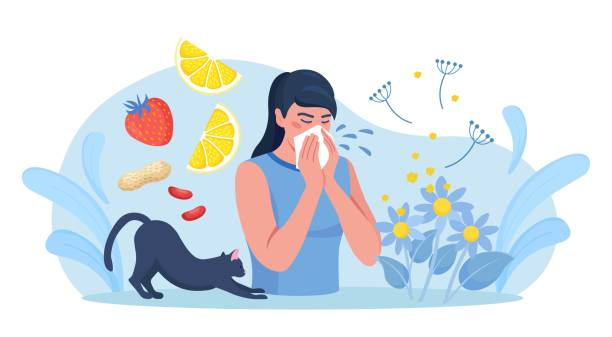
Allergies occur when the immune system reacts abnormally to a foreign substance, known as an allergen. While harmless to most people, allergens can trigger a range of immune system responses in individuals with allergies, from mild discomfort to life-threatening reactions like anaphylaxis. Common allergens include pollen, pet dander, certain foods, and medications.
Although allergies cannot be cured, treatments and preventive measures can effectively manage symptoms and improve quality of life.
Symptoms of Allergies
Allergy symptoms vary based on the type of allergen and the individual’s reaction. They can affect the skin, respiratory system, sinuses, digestive system, or a combination of these.
Hay Fever (Allergic Rhinitis):
- Sneezing.
- Itchy skin, nose, eyes, or roof of the mouth.
- Runny or stuffy nose.
- Fatigue.
- Watery, red, or swollen eyes (allergic conjunctivitis).
Food Allergies:
- Tingling or itching in the mouth.
- Swelling of the lips, tongue, face, or throat.
- Hives or itchy welts.
- Stuffy nose, sneezing, or teary eyes.
- Stomach cramps, vomiting, or diarrhea.
- Anaphylaxis.
Insect Sting Allergies:
- Pain and swelling at the sting site.
- Hives or widespread itching.
- Skin flushing or warmth.
- Chest tightness, wheezing, or shortness of breath.
- Anaphylaxis.
Medication Allergies:
- Hives or rash.
- Itchy skin.
- Facial swelling.
- Difficulty breathing.
- Dizziness or nausea.
- Anaphylaxis.
Atopic Dermatitis (Eczema):
- Itchy skin.
- Red or brown patches, which may be harder to see on darker skin tones.
- Cracked, peeling, or flaking skin.
Anaphylaxis:
A severe allergic reaction that can be life-threatening. Symptoms include:
- Loss of consciousness.
- Rapid, weak pulse.
- Severe shortness of breath or throat tightness.
- Skin rash with hives or welts.
- Vomiting, diarrhea, or severe dizziness.
When to See a Doctor
- If you experience persistent symptoms of allergies that interfere with daily life, consult a healthcare professional. Over-the-counter medications may help, but professional evaluation is recommended for accurate diagnosis and treatment.
- Seek emergency medical care if symptoms of anaphylaxis occur, such as difficulty breathing, fainting, or swelling of the throat. Use an epinephrine auto-injector immediately if prescribed.
Causes of Allergies
Allergies occur when the immune system mistakenly identifies a harmless substance as a threat. This triggers the production of antibodies and the release of chemicals like histamine, which cause allergy symptoms.
Common Triggers Include:
- Airborne allergens: Pollen, pet dander, dust mites, and mold.
- Foods: Peanuts, tree nuts, shellfish, milk, eggs, soy, and wheat.
- Insect stings: Bees, wasps, or ants.
- Medications: Antibiotics such as penicillin.
- Latex or other contact allergens.
Risk Factors
Certain factors increase the likelihood of developing allergies, including:
- Family history of asthma or allergies.
- Childhood or adolescent age.
- Pre-existing allergic conditions like eczema or asthma.
Complications of Allergies
- Anaphylaxis: A severe allergic reaction requiring immediate medical intervention.
- Asthma: Often triggered by environmental allergens, leading to airway inflammation and difficulty breathing.
- Infections: Hay fever or asthma can increase the risk of sinus, ear, or lung infections.
Prevention of Allergies
Effective prevention involves minimizing exposure to known allergens and adopting proactive habits.
General Tips:
- Avoid triggers:
- Stay indoors during high pollen seasons.
- Regularly clean your home to reduce dust and pet dander.
- Use hypoallergenic covers for bedding.
- Maintain a symptom diary: Keep track of symptoms, activities, and foods to identify and avoid triggers.
- Medical alert accessories: Wear a medical alert bracelet if you have a history of severe allergic reactions.
Medical Disclaimer
This article is for informational purposes only and should not replace professional medical advice, diagnosis, or treatment. Always consult a healthcare provider for personalized medical guidance. If you experience a severe allergic reaction or symptoms of anaphylaxis, seek emergency medical attention immediately. Do not delay medical care based on information in this article.


