Anemia is a medical condition characterized by a deficiency of healthy red blood cells or hemoglobin in the blood. Hemoglobin, an iron-rich protein in red blood cells, is responsible for carrying oxygen from the lungs to the body’s tissues and returning carbon dioxide back to the lungs for exhalation. When hemoglobin levels are low, the body doesn’t get enough oxygen, leading to tiredness, weakness, and other symptoms.
With numerous types and causes, anemia can range from mild to severe, and in some cases, it may signal underlying health conditions. Understanding anemia’s types, causes, risk factors, and prevention strategies is crucial for maintaining optimal health.
Types of Anemia
Anemia comes in various forms, each with specific causes and characteristics:
- Iron Deficiency Anemia:
- The most common type, caused by inadequate iron levels needed for hemoglobin production.
- Commonly results from poor diet, blood loss, or increased demand during pregnancy.
- Vitamin Deficiency Anemia:
- Caused by insufficient folate and vitamin B-12, which are essential for red blood cell production.
- Can result from poor diet or malabsorption conditions, such as pernicious anemia.
- Aplastic Anemia:
- A rare but life-threatening type caused by the body’s inability to produce enough blood cells.
- Linked to infections, autoimmune disorders, and exposure to toxins.
- Hemolytic Anemia:
- Caused by the destruction of red blood cells faster than the body can replace them.
- Can be inherited (e.g., sickle cell anemia) or acquired due to immune disorders or infections.
- Sickle Cell Anemia:
- A hereditary type of hemolytic anemia in which abnormal hemoglobin shapes red blood cells into a crescent, or “sickle,” shape.
- These cells break down prematurely, leading to a shortage of red blood cells.
- Thalassemia:
- An inherited disorder that affects hemoglobin production.
- Severity varies depending on genetic mutations.
- Anemia of Chronic Disease:
- Associated with conditions such as cancer, HIV/AIDS, chronic kidney disease, and autoimmune disorders that suppress red blood cell production.
Symptoms of Anemia
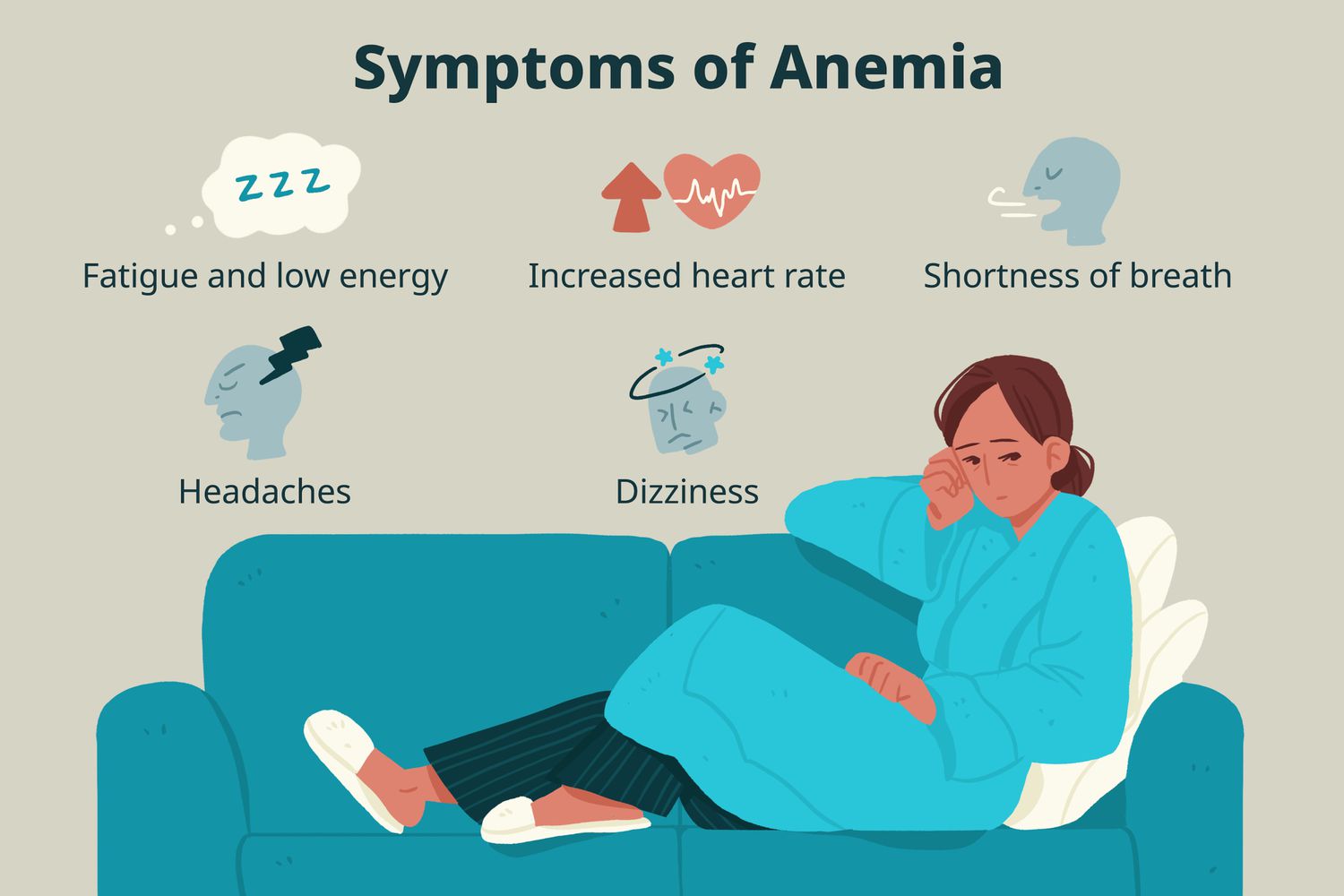
Symptoms of anemia can vary based on its cause, severity, and the underlying condition. Common symptoms include:
- Tiredness and weakness.
- Shortness of breath during physical activity.
- Pale or yellowish skin, which may be more noticeable on lighter skin tones.
- Dizziness, lightheadedness, or fainting.
- Cold hands and feet.
- Chest pain or irregular heartbeat (arrhythmia).
- Headaches.
- Reduced ability to focus or perform daily tasks.
In severe cases, symptoms may escalate, including extreme fatigue and complications in pregnancy or heart health.
Causes of Anemia
Anemia occurs when the body either produces too few red blood cells, loses them too quickly, or destroys them faster than they are replaced. Causes include:
1. Decreased Production of Red Blood Cells:
- Nutritional Deficiencies: Lack of iron, vitamin B-12, or folate.
- Chronic Diseases: Conditions such as kidney disease reduce erythropoietin production, a hormone needed for red blood cell formation.
2. Blood Loss:
- Heavy Menstrual Bleeding: Prolonged or heavy periods can deplete iron stores.
- Internal Bleeding: From ulcers, cancer, or other gastrointestinal conditions.
- Trauma or Surgery: Acute blood loss can cause anemia.
3. Destruction of Red Blood Cells:
- Autoimmune Diseases: Conditions like lupus attack red blood cells.
- Inherited Disorders: Such as sickle cell anemia and thalassemia.
Risk Factors for Anemia
Certain factors increase the likelihood of developing anemia, including:
- Poor Diet: Inadequate intake of iron, vitamin B-12, or folate.
- Chronic Diseases: Conditions such as diabetes, HIV, or cancer.
- Pregnancy: Increased demand for iron and folate.
- Family History: Genetic predisposition to disorders like sickle cell anemia or thalassemia.
- Aging: Risk increases with age, particularly in individuals over 65.
- Intestinal Disorders: Conditions like Crohn’s disease or celiac disease that impair nutrient absorption.
- Lifestyle Factors: Alcohol consumption or exposure to toxic substances.
Complications of Anemia
If left untreated, anemia can lead to severe health problems:
- Extreme Fatigue: Severe anemia can impair daily activities and productivity.
- Heart Problems: The heart works harder to compensate for low oxygen, increasing the risk of arrhythmias, heart enlargement, or heart failure.
- Pregnancy Complications: Iron deficiency anemia increases the risk of premature birth and low birth weight.
- Death: In rare cases, severe or untreated anemia can lead to life-threatening complications.
Prevention of Anemia
1. Dietary Changes
A balanced diet rich in essential nutrients can prevent many types of anemia:
- Iron-Rich Foods:
- Lean meats (beef, chicken, turkey).
- Dark green leafy vegetables (spinach, kale).
- Legumes (lentils, chickpeas, beans).
- Iron-fortified cereals and grains.
- Folate-Rich Foods:
- Fruits (oranges, bananas).
- Vegetables (asparagus, broccoli).
- Enriched grains.
- Vitamin B-12 Sources:
- Dairy products, eggs, fish, and fortified cereals.
- Vitamin C:
- Citrus fruits, strawberries, and peppers enhance iron absorption.
2. Supplements
- Iron or folic acid supplements may be recommended, particularly during pregnancy.
- Consult a healthcare provider before starting supplements to avoid adverse effects.
3. Manage Chronic Conditions
- Follow treatment plans for diseases like diabetes, kidney disease, or autoimmune disorders.
4. Regular Checkups
- Routine blood tests can detect anemia early, especially for those at higher risk.
Diagnosis and Treatment
Diagnosis:
- Blood tests measure hemoglobin and red blood cell levels.
- Additional tests identify underlying causes, such as vitamin deficiencies or chronic illnesses.
Treatment:
Treatment depends on the type and cause of anemia:
- Dietary Supplements: Iron, folate, or vitamin B-12 supplements.
- Treating Underlying Conditions: Addressing chronic diseases or inflammation.
- Blood Transfusions: For severe cases involving blood loss or hemolysis.
- Medications: Erythropoietin-stimulating agents for chronic disease anemia.
Conclusion
Anemia is a common yet complex condition with various causes and effects. Early diagnosis, a balanced diet, and proper management of underlying conditions are key to prevention and treatment. If you experience persistent tiredness, weakness, or shortness of breath, consult a healthcare professional for evaluation and guidance.
Key Takeaway: Taking charge of your diet and health can reduce the risk of anemia and improve overall well-being.