Anal itching, medically known as pruritus ani, is a common but often uncomfortable condition characterized by an intense itching sensation in or around the anus. It can be temporary or persistent and is caused by a variety of factors, from minor irritants to underlying medical conditions. Understanding its causes and treatment options can help provide much-needed relief.
Symptoms of Anal Itching
The symptoms of anal itching can vary in severity and duration. They include:
- Intense itching: A persistent or sporadic urge to scratch the anal area.
- Inflammation and redness: Irritation of the skin around the anus.
- Burning sensation: A feeling of heat or discomfort in the anal region.
- Soreness: Tenderness or pain in the affected area.
Symptoms may worsen at night or in hot, humid conditions, leading to disrupted sleep and discomfort.
When to See a Doctor
In most cases, anal itching resolves with simple self-care measures. However, medical attention may be necessary if:
- The itching is severe or constant.
- There is anal bleeding or leakage of stool.
- Signs of infection appear, such as swelling or pus.
- The itching persists despite home remedies and lifestyle changes.
Consulting a healthcare provider can help identify the cause and guide effective treatment.
Common Causes of Anal Itching
Anal itching has a wide range of potential causes, including:
1. Irritants
- Hygiene practices: Over-wiping or using harsh soaps can irritate the sensitive skin around the anus.
- Fecal incontinence or diarrhea: Persistent moisture or residue can exacerbate itching.
2. Infections
- Pinworm infections: Common in children, these tiny parasites cause intense itching, especially at night.
- Sexually transmitted infections (STIs): Certain STIs can lead to itching in the anal area.
- Yeast infections: Fungal infections can cause itching and irritation, often accompanied by redness.
3. Skin Conditions
- Psoriasis: A chronic skin condition that causes scaling and redness, sometimes affecting the anal area.
- Contact dermatitis: An allergic reaction to soaps, wipes, or other products.
- Dry skin: Lack of moisture can lead to cracking and itching.
4. Medical Conditions
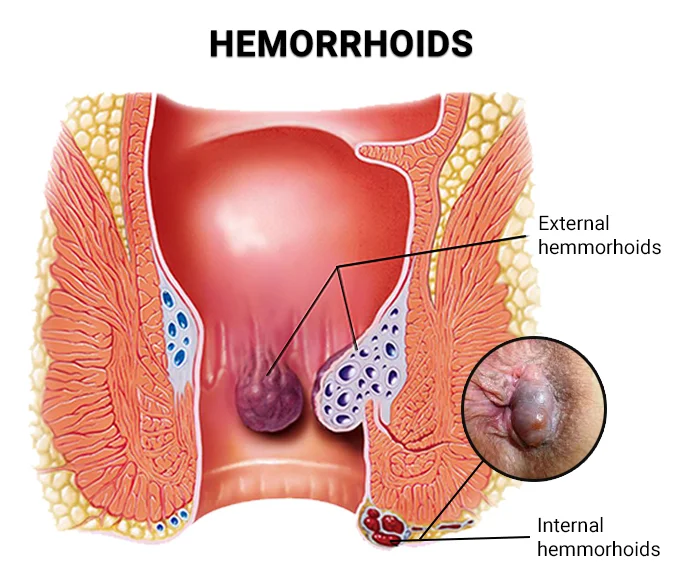
- Hemorrhoids: Swollen veins in the rectum or anus can cause itching, especially if they bleed or leak mucus.
- Diabetes: High blood sugar can make the skin more prone to infections and irritation.
- Thyroid disease: Can lead to changes in skin texture, dryness, and itching.
5. Unknown Causes
In some cases, no clear cause is identified, making treatment more challenging.
Diagnosis
When you see a healthcare provider for persistent anal itching, they may perform:
- Physical examination: To check for signs of irritation, infection, or hemorrhoids.
- Laboratory tests: To detect pinworms, fungal infections, or STIs.
- Medical history review: To identify potential triggers, such as dietary changes, hygiene habits, or underlying health conditions.
Treatment Options
Treatment for anal itching depends on the underlying cause. Here are common approaches:
1. Addressing Irritants
- Improve hygiene: Gently cleanse the area with water and pat dry; avoid over-wiping or using scented products.
- Moisturize: Apply a hypoallergenic ointment or barrier cream to protect the skin.
2. Treating Infections
- Antiparasitic medications: For pinworm infections.
- Antifungal creams: For yeast infections.
- Antibiotics or antivirals: For bacterial or viral infections, such as STIs.
3. Managing Skin Conditions
- Corticosteroid creams: To reduce inflammation from psoriasis or dermatitis.
- Moisturizers: To combat dry skin.
4. Medical Conditions
- Hemorrhoid treatments: Over-the-counter creams or procedures to shrink hemorrhoids.
- Diabetes management: Controlling blood sugar levels to improve skin health.
Self-Care and Lifestyle Tips
- Wear breathable clothing: Opt for loose-fitting, cotton underwear to keep the area dry and prevent irritation.
- Stay hydrated: Drinking plenty of water can help prevent constipation and dry skin.
- Use a high-fiber diet: To avoid constipation and reduce straining during bowel movements.
- Avoid scratching: Scratching can worsen irritation and lead to infections.
- Cool compresses: Can relieve itching and reduce inflammation.
Prevention of Anal Itching
Taking proactive measures can help prevent anal itching:
- Maintain good hygiene: Clean the area gently and thoroughly after bowel movements.
- Avoid irritants: Use unscented soaps and avoid harsh toilet paper.
- Stay dry: Use absorbent powders if necessary, especially in humid weather.
- Treat underlying conditions: Manage conditions like diabetes or hemorrhoids effectively.
- Regularly check for infections: Especially if symptoms persist or worsen.
Key Takeaways
- Anal itching is a common condition that can result from irritants, infections, or underlying health issues.
- Most cases improve with self-care, but persistent symptoms may require medical intervention.
- Proper hygiene, a balanced diet, and addressing any underlying conditions can help alleviate and prevent this discomfort.
Medical Disclaimer
This content is for informational purposes only and should not replace professional medical advice, diagnosis, or treatment. If you have persistent or severe anal itching, consult a qualified healthcare provider for a comprehensive evaluation and tailored treatment plan.