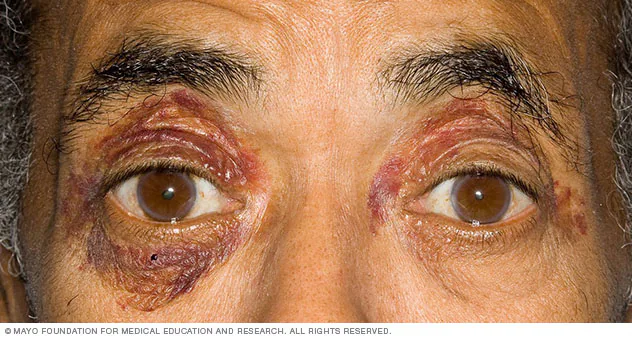
Amyloidosis is a rare disease in which an abnormal protein called amyloid accumulates in organs, impairing their function. The condition can affect various organs, including the heart, kidneys, liver, spleen, nervous system, and digestive tract. If untreated, it can lead to life-threatening complications. While there is no cure, treatments can help manage symptoms, slow disease progression, and improve quality of life.
Symptoms of Amyloidosis
Symptoms of amyloidosis vary depending on the organs affected. They often appear later in the disease course and may include:
- General Symptoms:
- Severe fatigue and weakness.
- Shortness of breath.
- Swelling in the ankles and legs.
- Nervous System:
- Numbness, tingling, or pain in the hands or feet.
- Digestive System:
- Diarrhea, sometimes with blood, or constipation.
- Physical Signs:
- Enlarged tongue with a rippled appearance.
- Skin thickening or bruising easily.
- Purplish patches around the eyes.
When to See a Doctor
If you experience persistent symptoms, particularly severe fatigue, swelling, or changes in your skin or digestion, consult a healthcare provider. Early diagnosis can improve treatment outcomes.
Causes and Types of Amyloidosis
Amyloidosis occurs when misfolded proteins accumulate in tissues, disrupting normal organ function. The different types include:
- AL Amyloidosis (Primary):
- Most common in developed countries.
- Often affects the heart, kidneys, liver, and nerves.
- AA Amyloidosis (Secondary):
- Linked to chronic inflammatory diseases like rheumatoid arthritis.
- Typically involves the kidneys, liver, and spleen.
- Hereditary Amyloidosis (Familial):
- Caused by genetic mutations.
- Primarily affects the nerves, heart, and kidneys.
- Wild-Type Amyloidosis:
- Occurs without a known genetic mutation.
- Commonly affects men over 70, targeting the heart and sometimes causing carpal tunnel syndrome.
- Localized Amyloidosis:
- Affects specific areas, such as the bladder, skin, throat, or lungs.
- Has a better prognosis compared to systemic forms.
Risk Factors
Factors that may increase the risk of amyloidosis include:
- Age: Most cases occur between ages 60 and 70.
- Gender: Men are more commonly affected.
- Family History: Genetic predispositions increase the likelihood.
- Chronic Infections or Inflammatory Diseases: Increase the risk of AA amyloidosis.
- Kidney Dialysis: Older dialysis methods may contribute to protein buildup in tissues.
- Race: Individuals of African descent may have a higher risk of hereditary heart-related amyloidosis.
Complications
Amyloidosis can severely damage vital organs, leading to:
- Heart:
- Reduced ability to pump blood.
- Irregular heart rhythms.
- Potentially life-threatening conditions.
- Kidneys:
- Impaired filtration, causing waste buildup.
- Increased risk of kidney failure.
- Nervous System:
- Pain, numbness, or tingling in extremities.
- Autonomic nerve damage causing blood pressure issues or digestive problems.
Diagnosis and Treatment
Diagnosis
Tests to diagnose amyloidosis include:
- Blood and urine tests to detect abnormal proteins.
- Imaging studies to assess organ function.
- Biopsies of affected tissues.
Treatment Options
- Chemotherapy:
- Used for AL amyloidosis to target abnormal plasma cells.
- Medications:
- Reduce amyloid production and manage symptoms.
- Stem Cell Transplant:
- Replaces damaged cells with healthy ones.
- Organ Transplant:
- May be required for severely damaged organs.
Prevention and Management
While there is no definitive way to prevent amyloidosis, managing risk factors like chronic infections or inflammatory diseases can help reduce the likelihood of secondary amyloidosis. Regular check-ups and prompt attention to symptoms can aid in early detection and treatment.
Medical Disclaimer
This article is for informational purposes only and is not a substitute for professional medical advice, diagnosis, or treatment. Always seek the advice of your physician or other qualified healthcare provider with any questions about a medical condition. If you suspect you have amyloidosis or any related symptoms, seek immediate medical care.