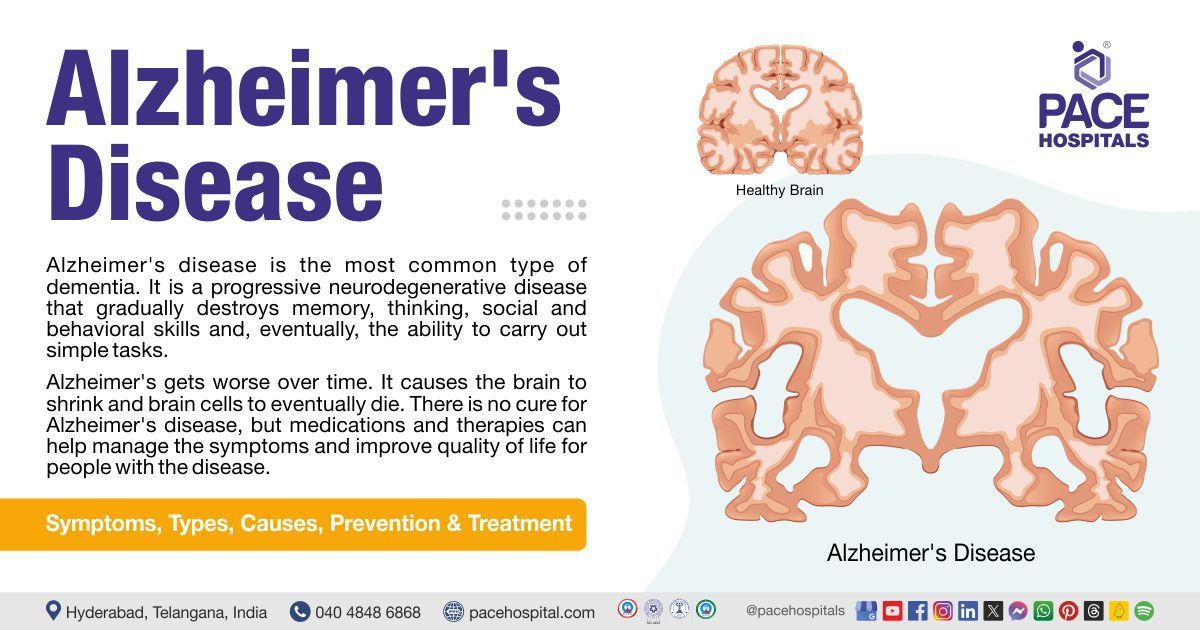
Alzheimer’s disease is the leading cause of dementia, a progressive condition that impairs memory, thinking, and behavior. It is caused by a buildup of amyloid plaques and neurofibrillary tangles in the brain, leading to brain cell death and brain shrinkage. Although there is no cure, treatments and supportive programs can improve symptoms and enhance the quality of life for those affected and their caregivers.
Prevalence of Alzheimer’s Disease
- In the United States, approximately 6.9 million people aged 65 and older live with Alzheimer’s disease.
- Over 70% of these individuals are aged 75 or older.
- Worldwide, Alzheimer’s accounts for 60% to 70% of the 55 million people with dementia.
Symptoms of Alzheimer’s Disease
The symptoms of Alzheimer’s disease develop gradually and worsen over time. They include:
Memory Loss
- Forgetting recent events or conversations.
- Repeating statements and questions.
- Misplacing items in unusual locations.
- Getting lost in familiar places.
- Difficulty recalling names of loved ones or everyday objects.
Thinking and Reasoning
- Difficulty concentrating, especially with abstract concepts like numbers.
- Struggles with managing finances, balancing checkbooks, or paying bills.
- Reduced ability to multitask.
Judgment and Decision-Making
- Poor judgment in social situations.
- Difficulty solving everyday problems, such as handling cooking mishaps.
- Inability to make safe decisions while driving or in emergencies.
Planning and Familiar Tasks
- Trouble completing multi-step tasks, such as cooking or playing a game.
- Forgetting basic tasks like dressing or bathing in advanced stages.
Changes in Personality and Behavior
- Symptoms include:
- Depression.
- Social withdrawal.
- Mood swings and irritability.
- Loss of trust in others.
- Wandering.
- Sleep disturbances.
- Delusions or paranoia.
Preserved Skills
Despite significant cognitive decline, certain abilities may remain intact, such as:
- Singing, dancing, or playing music.
- Telling stories or recalling memories.
- Drawing or engaging in crafts.
- Reading or listening to books.
When to See a Doctor
If you notice persistent memory loss, confusion, or difficulty with daily tasks in yourself or a loved one, consult a healthcare professional. Conditions other than Alzheimer’s can also cause memory issues and may be treatable. Early diagnosis is crucial for effective management and planning.
Managing Alzheimer’s Disease
While there is no cure for Alzheimer’s disease, the following approaches can help manage symptoms and improve quality of life:
- Medications: Certain drugs may slow cognitive decline or help manage behavioral changes.
- Lifestyle Interventions: A structured routine, physical activity, and cognitive exercises may support daily functioning.
- Support Programs: Services for people with dementia and their caregivers provide resources and emotional support.
Medical Disclaimer
This article is for informational purposes only and should not be considered medical advice. If you or someone you know is experiencing symptoms of Alzheimer’s disease or other cognitive impairments, consult a healthcare professional for proper diagnosis and treatment. Always seek the advice of a qualified medical provider for questions regarding a medical condition.