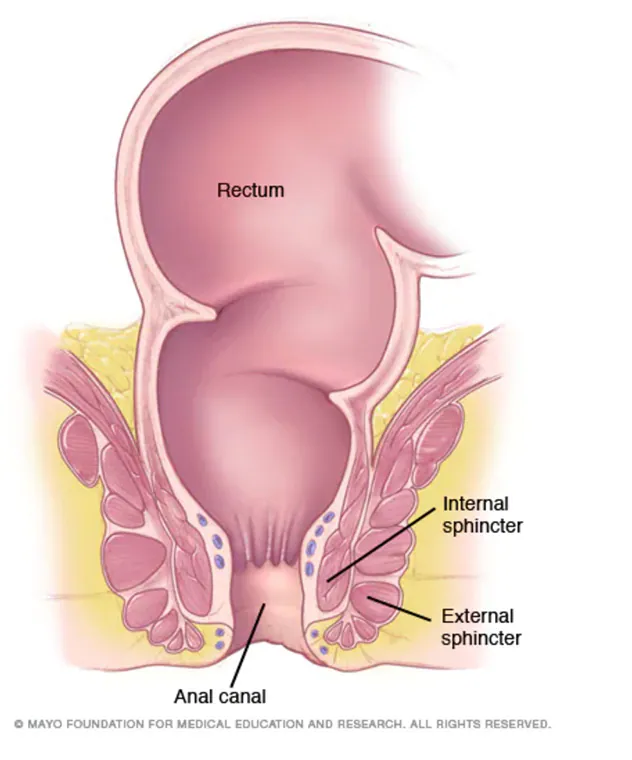
Anal cancer is a rare type of cancer that begins in the anal canal, the short tube through which stool exits the body. While often mistaken for less severe conditions like hemorrhoids, anal cancer can lead to significant complications if not diagnosed and treated promptly. This guide provides an in-depth look at the symptoms, causes, risk factors, prevention, and treatment of anal cancer.
What is Anal Cancer?
Anal cancer occurs when abnormal cells in the anal canal grow uncontrollably, forming a mass or tumor. This condition is distinct from colon or rectal cancer but shares some similarities.
The anal canal connects the rectum to the anus and plays a key role in stool passage. Cancer in this area may spread to nearby organs and tissues, making early detection vital.
Symptoms of Anal Cancer
Symptoms of anal cancer may resemble those of benign conditions, such as hemorrhoids or anal fissures, but they should not be ignored. Common symptoms include:
- Rectal bleeding: Bright red blood may appear during bowel movements.
- Blood in the stool: A sign of bleeding in the digestive tract.
- Anal pain: Persistent or severe pain in the anal area.
- Mass or lump: A growth or swelling in the anal canal.
- Anal itching: Discomfort or irritation around the anus.
- Frequent bowel movements: Changes in bowel habits or increased urgency.
If you experience any of these symptoms, consult a healthcare professional promptly.
Causes of Anal Cancer
Anal cancer occurs when the DNA in cells of the anal canal changes, leading to uncontrolled cell growth. These changes can be triggered by various factors:
- Human papillomavirus (HPV): The most significant risk factor, HPV is a common sexually transmitted infection. Certain strains of HPV can cause cell changes that lead to anal cancer.
- Smoking: Tobacco use can increase the likelihood of cancer development.
- Weakened immune system: Conditions like HIV or medications that suppress the immune system can raise the risk.
- History of other cancers: A prior diagnosis of cervical, vulvar, or vaginal cancer increases susceptibility to anal cancer.
Risk Factors
While anyone can develop anal cancer, several factors increase the risk:
- HPV exposure: A major contributor to anal cancer cases.
- High number of sexual partners: Increases the likelihood of HPV infection.
- Receptive anal sex: Raises the chance of cell changes in the anal canal.
- Weakened immune system: Such as from HIV infection or immunosuppressive medications.
- Age: Anal cancer is more common in adults over 50.
- Smoking: Tobacco use is linked to many cancers, including anal cancer.
Complications
When left untreated, anal cancer can spread to other parts of the body, including:
- Liver
- Lungs
- Nearby lymph nodes
These complications make treatment more challenging, emphasizing the importance of early diagnosis.
Prevention
While not all cases of anal cancer can be prevented, certain steps can reduce the risk:
- Practice safer sex: Use condoms and limit the number of sexual partners to reduce the risk of HPV infection.
- Get vaccinated: The HPV vaccine protects against high-risk strains of the virus that can lead to cancer.
- Quit smoking: Avoiding tobacco use lowers the risk of anal and other cancers.
- Screening for high-risk individuals: Regular anal Pap tests, HPV tests, and digital rectal exams can detect early signs of cancer.
Screening for Anal Cancer
Screening tests can help detect anal cancer in its early stages:
- Anal Pap test: Collects cells from the anal canal to check for abnormalities.
- HPV test: Identifies the presence of high-risk HPV strains.
- Digital rectal exam: Allows a healthcare provider to feel for lumps or abnormalities in the rectum.
Discuss the benefits and risks of these screenings with your healthcare provider, especially if you’re in a high-risk group.
Treatment Options
Advances in medical science have transformed the treatment of anal cancer. The main approaches include:
- Chemoradiation:
- Combines chemotherapy and radiation therapy to shrink and destroy cancer cells.
- Often eliminates the need for surgery.
- Surgery:
- Reserved for cases where chemoradiation is ineffective or if cancer recurs.
- May involve removing part of the anal canal or creating a stoma for waste elimination.
- Follow-up care:
- Regular monitoring through imaging and exams ensures that the cancer hasn’t returned.
Living with Anal Cancer
A diagnosis of anal cancer can be life-changing, but many people continue to lead fulfilling lives with the right support and treatment. Consider these steps:
- Stay informed: Understand your condition and treatment options.
- Build a support network: Lean on family, friends, or support groups for emotional and practical assistance.
- Focus on overall health: A balanced diet, regular exercise, and quitting smoking can enhance recovery and overall well-being.
Key Takeaways
- Anal cancer is a rare but treatable condition often linked to HPV infection.
- Early symptoms, such as rectal bleeding and anal pain, should not be ignored.
- Preventive measures, including the HPV vaccine and safer sex practices, can significantly reduce risk.
- Treatments like chemoradiation and surgery have improved survival rates and quality of life.
Medical Disclaimer
This article is intended for informational purposes only and does not constitute medical advice. Always consult a qualified healthcare provider for personalized guidance and treatment options. If you experience symptoms of anal cancer, seek medical attention promptly.