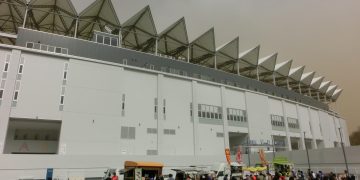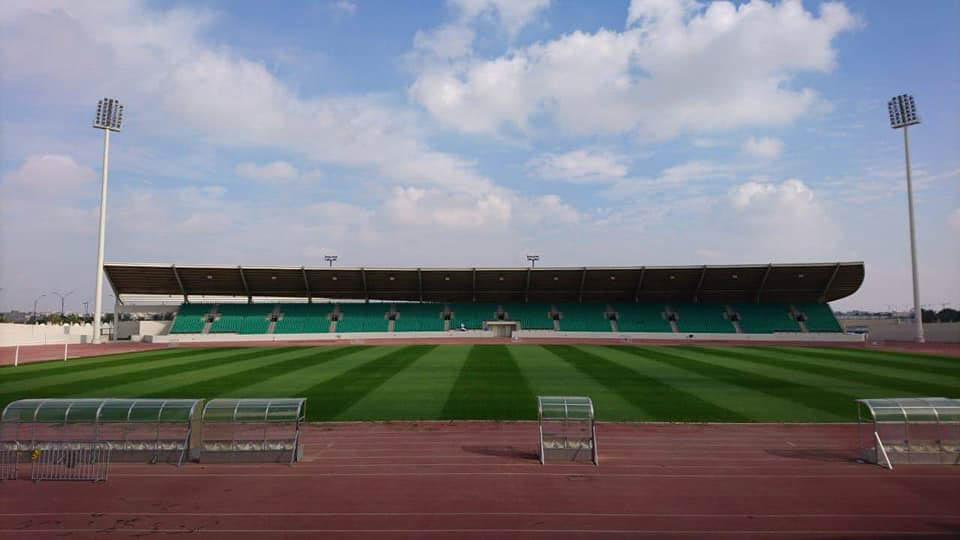
Al-Fayhaa Stadium is a 10,000-seat multi-purpose venue located within the expansive Basra Sports City complex in southern Iraq. Officially inaugurated on 12 October 2013, the stadium is primarily used for football and athletics and occasionally hosts Iraqi Premier League matches, especially when attendance is expected to be smaller. Al-Fayhaa Stadium, sometimes called Mohamed Musbah Al-Waeli Stadium, is an important secondary venue supporting Basra’s growing sports infrastructure.
Stadium Details
| Feature | Information |
|---|---|
| Name | Al-Fayhaa Stadium |
| Capacity | 10,000 |
| Country | Iraq |
| City | Basra |
| Other Names | Basra Sports City Secondary Stadium, Mohamed Musbah Al-Waeli Stadium |
| Inauguration | 12 October 2013 |
| Primary Uses | Football, athletics |
| Ownership | Government of Iraq |
| Certification | IAAF Class 1 |
Part of the Basra Sports City Complex
Al-Fayhaa Stadium forms a key part of the massive Basra Sports City development, one of Iraq’s largest sporting projects. The complex includes:
- The 65,000-seat Basra International Stadium
- Football training pitches
- Four Five-Star hotels
- Athletic training facilities
- Support buildings for teams, officials, and event operations
Within this comprehensive environment, Al-Fayhaa Stadium serves as the secondary competition venue, supporting events that do not require the full scale of the main stadium.
Purpose and Sporting Role
Although the stadium can host a variety of sporting events, football remains its primary use. It is often utilized for:
- Lower-attendance Iraqi Premier League matches
- Training sessions
- Local tournaments
- Youth competitions
- Athletics events thanks to its certified track
Both Naft Al-Basra and Al-Minaa occasionally play their home matches here, especially when the expected attendance does not warrant the larger Basra International Stadium.
The stadium’s running track earned it an IAAF Class 1 Certificate, confirming that it meets international standards for top-level athletics competitions.
Naming History
The venue originally carried the generic name Basra Sports City Secondary Stadium, reflecting its role as the secondary ground within the complex. Over time, a new official name was chosen:
Al-Fayhaa Stadium
Named after the popular nickname of the city of Basra—Al-Fayhaa, referencing its historical abundance and beauty.
Mohamed Musbah Al-Waeli Stadium
In 2019, the Ministry of Youth and Sports introduced an alternative naming designation honoring Mohamed Musbah Al-Waeli, former mayor of Basra. He played a crucial role in planning and promoting the Basra Sports City development, making the tribute significant for local residents.
Both names remain in use, though Al-Fayhaa Stadium continues to be the most commonly recognized title.
Architectural and Functional Overview
The stadium’s seating bowl accommodates 10,000 spectators and is designed to serve both football and track-and-field events. Key features include:
- A standard athletics track surrounding the pitch
- Compact single-tier seating arrangement
- Modern facilities integrated into the Basra Sports City infrastructure
- Easy access to training fields and team facilities
Its location within a larger sports complex ensures seamless hosting of multi-day tournaments, training camps, and league matches.
Importance Within Basra’s Sports Scene
While Basra International Stadium draws most of the city’s sporting attention, Al-Fayhaa Stadium plays a vital supporting role. It expands Basra’s capacity to host multiple competitions simultaneously, provides a valuable venue for local clubs, and supports grassroots football development.
The stadium also offers a more intimate environment for fans, making it ideal for matches that do not require the massive scale of the main complex.
A Key Piece of Iraq’s Modern Sports Infrastructure
Al-Fayhaa Stadium stands as a flexible and well-integrated component of Basra Sports City. With modern certification, multi-purpose capacity, and strong ties to local identity, it continues to elevate Basra’s position as a leading sports destination in Iraq.