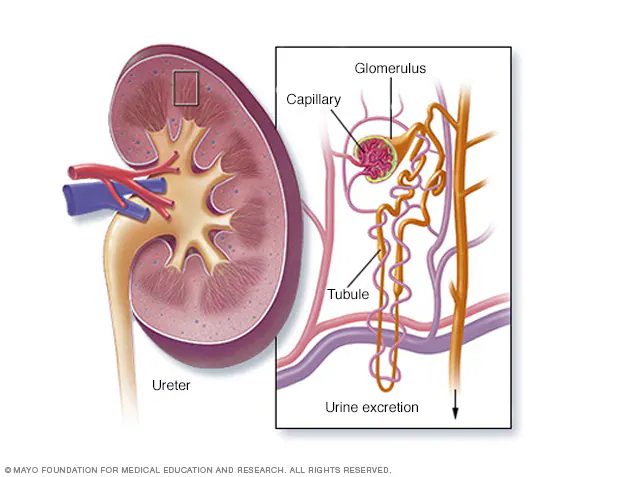
Acute kidney injury (AKI), formerly called acute kidney failure, is a sudden and severe decline in kidney function. This condition disrupts the kidneys’ ability to filter waste products from the blood, leading to harmful waste buildup and an imbalance in the body’s chemical composition. AKI is most commonly observed in hospitalized patients, particularly those requiring intensive care.
While AKI can be life-threatening, prompt diagnosis and treatment often lead to recovery, especially in individuals with otherwise good health. This article delves into the causes, symptoms, complications, and prevention strategies for AKI.
What is Acute Kidney Injury?
AKI is characterized by an abrupt loss of kidney function, which can range from mild impairment to complete kidney failure. It occurs over a short period—hours to days—and is typically associated with another underlying medical condition or event.
Key Points:
- AKI is a medical emergency that requires immediate attention.
- It can lead to permanent kidney damage or death if untreated.
- Recovery is possible with timely intervention.
Symptoms of Acute Kidney Injury
Symptoms of AKI vary depending on the severity of the condition. In some cases, it may cause no symptoms and is only detected through routine lab tests.
Common Symptoms:
- Reduced Urine Output: A noticeable decline in the amount of urine produced.
- Fluid Retention: Swelling in the legs, ankles, or feet and shortness of breath due to fluid buildup.
- General Symptoms:
- Fatigue or weakness.
- Confusion or mental fogginess.
- Nausea or vomiting.
- Pain: Discomfort in the belly or side below the ribcage.
- Cardiac Symptoms:
- Irregular heartbeat.
- Chest pain or pressure.
Severe Symptoms:
- Seizures or coma due to extreme imbalances in the body’s electrolytes and fluids.
When to Seek Medical Attention:
If you experience any symptoms of AKI, particularly reduced urine output, swelling, or confusion, seek immediate medical care.
Causes of Acute Kidney Injury
AKI can occur when there is:
- Reduced blood flow to the kidneys.
- Direct damage to the kidneys.
- Obstruction of urine flow.
1. Reduced Blood Flow to the Kidneys:
Conditions that decrease blood flow to the kidneys include:
- Severe dehydration.
- Sepsis or septic shock.
- Blood loss or low blood pressure from trauma or medications.
- Heart failure or heart attack.
- Liver cirrhosis or failure.
- Severe allergic reactions (anaphylaxis).
2. Damage to the Kidneys:
The kidneys may be damaged by:
- Inflammation: Conditions like glomerulonephritis, an inflammation of the kidney’s filtering units.
- Toxins: Exposure to alcohol, heavy metals, or illicit drugs like cocaine.
- Medications: Certain chemotherapy drugs, antibiotics, and contrast dyes used in imaging tests.
- Infections: Including COVID-19 or other viral infections.
- Autoimmune Disorders: Lupus or scleroderma.
- Other Conditions: Rhabdomyolysis (breakdown of muscle tissue) and tumor lysis syndrome.
3. Urine Blockage:
Obstructions that prevent urine from leaving the body can lead to AKI. Causes include:
- Kidney stones.
- Enlarged prostate.
- Blood clots in the urinary tract.
- Tumors pressing on or within the urinary tract.
Risk Factors for Acute Kidney Injury
Certain individuals are at higher risk of developing AKI:
Key Risk Factors:
- Chronic Kidney Disease (CKD): Existing kidney issues increase susceptibility.
- Age: Older adults are more likely to develop AKI.
- Hospitalization: Especially in cases requiring intensive care or surgery.
- Underlying Conditions: Diabetes, high blood pressure, or liver disease.
- Certain Medications: Drugs that affect kidney function, such as NSAIDs.
- Peripheral Artery Disease: Blockages in the blood vessels of the arms or legs.
Complications of Acute Kidney Injury
If untreated, AKI can lead to severe complications, including:
- Fluid Overload: Fluid buildup in the lungs can cause shortness of breath.
- Chest Pain: Inflammation of the heart’s lining (pericardium).
- Electrolyte Imbalance: Can lead to muscle weakness or life-threatening heart arrhythmias.
- Permanent Kidney Damage: Severe cases may result in end-stage renal disease requiring dialysis or a kidney transplant.
- Death: In extreme cases, AKI can be fatal.
Diagnosis of Acute Kidney Injury
AKI is typically diagnosed through a combination of medical history, physical exams, and lab tests:
Tests Used:
- Blood Tests: Measure levels of creatinine and blood urea nitrogen (BUN), which increase when kidney function declines.
- Urine Tests: Check for abnormalities that indicate kidney damage.
- Imaging: Ultrasound, CT, or MRI scans to identify obstructions or damage.
- Biopsy: A kidney tissue sample may be taken for further analysis in complex cases.
Treatment for Acute Kidney Injury
Treatment focuses on addressing the underlying cause, restoring kidney function, and preventing complications.
Immediate Steps:
- Hospitalization: Most cases require hospital care.
- Fluids and Electrolytes: Restoring fluid balance is critical.
- Medications:
- To control blood pressure.
- To reduce swelling.
- To treat infections or inflammation.
Advanced Treatments:
- Dialysis: Removes toxins, wastes, and excess fluid when kidneys fail to do so.
- Surgical Intervention: To remove obstructions, such as kidney stones or tumors.
Prevention of Acute Kidney Injury
While not all cases of AKI can be prevented, certain steps can reduce risk:
1. Maintain Kidney Health:
- Manage chronic conditions like diabetes, high blood pressure, and kidney disease.
- Stay hydrated to avoid dehydration.
2. Be Cautious with Medications:
- Use over-the-counter pain relievers like NSAIDs sparingly.
- Ensure medications are safe for your kidneys, especially if you have pre-existing conditions.
3. Avoid Toxins:
- Limit exposure to harmful substances, including illicit drugs and heavy metals.
4. Practice a Healthy Lifestyle:
- Eat a balanced diet with plenty of fruits, vegetables, and whole grains.
- Stay physically active and maintain a healthy weight.
- Limit alcohol intake and avoid smoking.
5. Prevent Infections:
- Wash hands regularly and practice good hygiene.
- Seek prompt treatment for infections.
Living with Acute Kidney Injury
Recovery from AKI often depends on its severity and underlying cause. Some individuals regain full kidney function, while others may develop chronic kidney issues.
Key Considerations for Recovery:
- Regular follow-ups with healthcare providers.
- Long-term lifestyle changes to prevent recurrence.
- Monitoring for potential complications like CKD.
Conclusion
Acute kidney injury is a serious medical condition that requires immediate attention. Understanding its symptoms, causes, and risk factors can help ensure timely intervention and better outcomes. While AKI can be life-threatening, early diagnosis and treatment often result in recovery.
To reduce your risk, prioritize kidney health through proper hydration, healthy lifestyle choices, and regular medical care. If you experience any symptoms of AKI, seek medical attention promptly to safeguard your kidney function and overall health.
Disclaimer: This article is for informational purposes only and should not replace professional medical advice. Always consult a healthcare provider for diagnosis and treatment.