


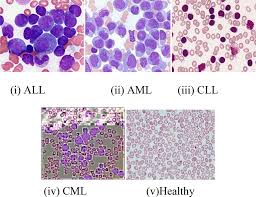
Acute lymphocytic leukemia (ALL), also known as acute lymphoblastic leukemia, is a fast-progressing cancer that affects the blood and bone marrow. This disease primarily targets the white blood cells called lymphocytes, leading to the production of immature blood cells that fail to function properly. While ALL is the most common type of cancer in children and often curable in this group, it can also affect adults, where the prognosis is less favorable.
Symptoms of Acute Lymphocytic Leukemia
Symptoms of ALL may develop rapidly and often mimic those of other illnesses like the flu. Recognizing these early signs is crucial for prompt diagnosis and treatment.
Common Symptoms:
- Bleeding from the gums: Unexplained or excessive bleeding may occur.
- Bone pain: Often experienced as deep or sharp pain in long bones or joints.
- Frequent infections: A compromised immune system leads to recurring infections.
- Fever: Persistent and unexplained fever is common.
- Frequent or severe nosebleeds: These may occur without a clear cause.
- Lymph node swelling: Lumps in the neck, armpits, groin, or abdomen caused by swollen lymph nodes.
- Pale skin: Due to anemia resulting from reduced red blood cell production.
- Shortness of breath: Caused by low oxygen levels in the blood due to anemia.
- Fatigue and weakness: A general decrease in energy or an inability to carry out usual activities.
When to See a Doctor:
Consult a healthcare provider if you or your child experiences persistent symptoms, especially those resembling flu but without improvement.
Causes of Acute Lymphocytic Leukemia
ALL occurs when mutations develop in the DNA of bone marrow cells, disrupting normal blood cell production.
How ALL Develops:
- DNA Mutations: Genetic changes instruct bone marrow cells to grow and divide uncontrollably.
- Production of Immature Cells: These abnormal cells, called lymphoblasts, crowd out healthy blood cells.
- Dysfunctional Cells: The immature cells cannot function properly, leading to immune system and blood-related issues.
Why Mutations Occur:
The exact cause of DNA mutations leading to ALL remains unclear. However, certain risk factors are associated with an increased likelihood of developing the disease.
Risk Factors for Acute Lymphocytic Leukemia
1. Previous Cancer Treatment:
- Chemotherapy and radiation therapy for other cancers can increase the risk of ALL.
2. High Radiation Exposure:
- Survivors of nuclear accidents or other high-dose radiation exposures are at greater risk.
3. Genetic Disorders:
- Conditions such as Down syndrome and other inherited disorders are linked to a higher likelihood of developing ALL.
4. Age:
- ALL is most common in children but can occur at any age.
5. Family History:
- A family history of leukemia may raise the risk, although ALL is not strongly hereditary.
Complications of Acute Lymphocytic Leukemia
If left untreated, ALL can lead to life-threatening complications:
- Anemia: Crowding out of red blood cells causes oxygen deprivation in tissues.
- Infections: A lack of functional white blood cells compromises the immune system.
- Bleeding Disorders: Reduced platelet production leads to easy bruising and bleeding.
- Organ Enlargement: Accumulation of leukemic cells can cause swelling in the liver or spleen.
- Central Nervous System Issues: ALL can spread to the brain and spinal cord, causing headaches, seizures, or confusion.
Diagnosis of Acute Lymphocytic Leukemia
Diagnosis begins with a review of symptoms and medical history, followed by physical exams and laboratory tests.
Key Diagnostic Tests:
- Blood Tests:
- Complete blood count (CBC) to check for abnormal white blood cell counts, low red blood cell counts, and platelets.
- Bone Marrow Aspiration and Biopsy:
- Collects bone marrow samples to confirm the presence of leukemic cells.
- Lumbar Puncture (Spinal Tap):
- Detects cancer cells in the cerebrospinal fluid.
- Imaging Tests:
- X-rays, CT scans, or MRIs to detect organ enlargement or tumor masses.
Treatment for Acute Lymphocytic Leukemia
Treatment aims to eliminate leukemic cells, restore healthy blood cell production, and prevent relapse.
1. Chemotherapy:
- The primary treatment for ALL.
- Administered in phases: induction, consolidation, and maintenance.
2. Targeted Therapy:
- Drugs that specifically attack cancer cells without harming healthy cells.
- Examples: tyrosine kinase inhibitors for certain genetic subtypes.
3. Radiation Therapy:
- Used to kill cancer cells or prevent their spread, especially to the brain or spinal cord.
4. Stem Cell Transplant:
- Replaces diseased bone marrow with healthy stem cells from a donor.
- Often used in high-risk cases or relapse.
5. Immunotherapy:
- Boosts the immune system’s ability to target and destroy cancer cells.
- CAR-T cell therapy is an emerging option for some ALL patients.
Prognosis and Survival Rates
Children:
- Survival Rates: The prognosis for children is favorable, with a 5-year survival rate exceeding 85% in many cases.
- Advances in treatment have significantly improved outcomes.
Adults:
- Survival Rates: Adults have lower survival rates, ranging between 40–50%, largely due to differences in biology and treatment tolerance.
Factors affecting prognosis include age, overall health, and genetic mutations of the cancer cells.
Prevention of Acute Lymphocytic Leukemia
While there is no guaranteed way to prevent ALL, you can reduce certain risks:
- Avoid Radiation Exposure: Minimize unnecessary medical imaging and avoid high-radiation environments.
- Genetic Counseling: Families with genetic disorders may benefit from counseling to understand risks.
- Healthy Lifestyle: Balanced diets, regular exercise, and avoiding tobacco and alcohol may lower overall cancer risks.
Living with Acute Lymphocytic Leukemia
Managing ALL involves ongoing care and support to handle the physical, emotional, and social impacts of the disease.
Supportive Care:
- Blood transfusions for anemia.
- Antibiotics to manage infections.
- Nutritional support to address side effects like weight loss.
Emotional Support:
- Counseling and support groups for coping with the stress of a cancer diagnosis.
- Resources for families and caregivers to navigate challenges.
Conclusion
Acute lymphocytic leukemia is a serious but treatable condition, especially when detected early. Advances in therapy, particularly for children, have significantly improved survival rates and quality of life for patients. Awareness of symptoms and risk factors is critical for timely intervention.
If you or a loved one is diagnosed with ALL, working closely with a skilled healthcare team ensures the best chance of remission and recovery. Always consult your doctor for personalized advice and treatment options.


