Acute flaccid myelitis (AFM) is a rare but severe neurological condition that affects the spinal cord. It primarily impacts young children and can lead to sudden muscle weakness, loss of muscle tone, and reflexes. AFM requires urgent medical attention, as its symptoms can progress rapidly and may result in respiratory failure or life-threatening complications.
Since experts began tracking AFM in 2014, cases have occurred in clusters, with outbreaks in the United States in 2016 and 2018, typically during late summer and fall. While AFM remains uncommon, its serious nature underscores the need for awareness, early detection, and prevention.
What is Acute Flaccid Myelitis?
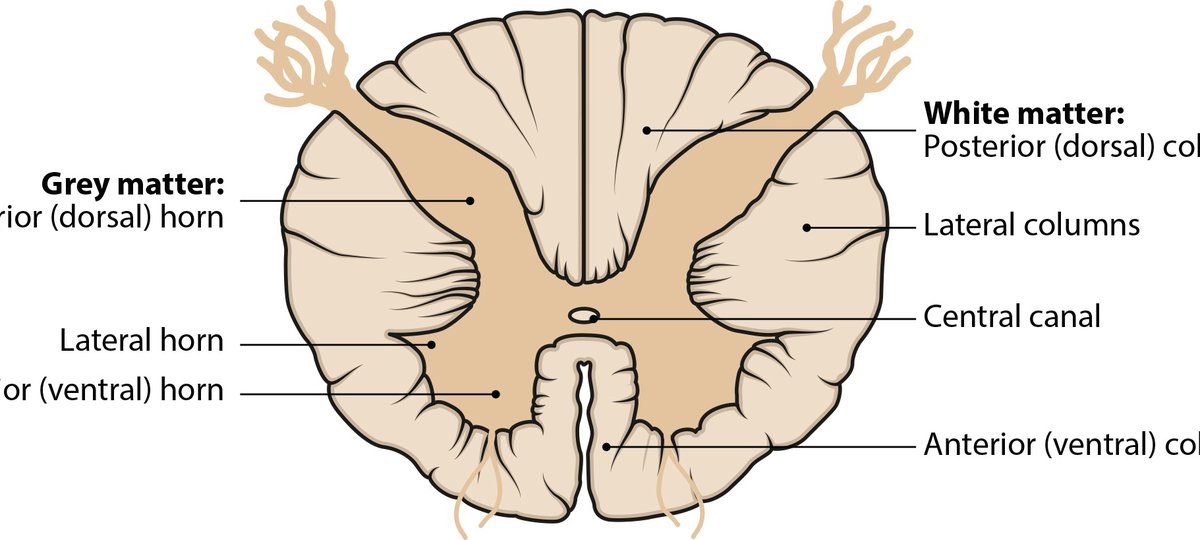
AFM is a neurological disorder that targets the spinal cord’s gray matter, leading to muscle weakness and paralysis. The condition can develop rapidly, often following a viral illness, and can have long-lasting effects on motor functions.
Key Features:
- Affects the spinal cord, specifically the anterior horn cells.
- Primarily impacts children under 18, though adults can also develop the condition.
- Associated with viral infections, particularly enteroviruses.
Symptoms of Acute Flaccid Myelitis
Symptoms of AFM can vary in severity and may appear suddenly, often following a mild respiratory illness or fever.
Common Symptoms:
- Sudden weakness in one or more limbs (arms or legs).
- Loss of muscle tone.
- Loss of reflexes.
Additional Symptoms:
- Neurological Signs:
- Difficulty moving the eyes or drooping eyelids.
- Facial droop or weakness.
- Slurred speech or difficulty swallowing.
- Pain Symptoms:
- Pain in the arms, legs, neck, or back.
Severe Symptoms:
- Respiratory Failure: Weakness in the muscles involved in breathing may necessitate the use of a ventilator.
- Autonomic Instability: Life-threatening changes in body temperature or blood pressure.
Uncommon Symptoms:
- Numbness or tingling sensations.
- Inability to pass urine.
When to Seek Medical Attention:
If you or your child experiences any of the above symptoms, particularly sudden limb weakness, seek immediate medical care. Early intervention can reduce the risk of severe complications.
Causes of Acute Flaccid Myelitis
The exact cause of AFM is not fully understood, but it is often linked to viral infections.
Potential Causes:
- Enteroviruses: Infections caused by enteroviruses, including enterovirus D68, are commonly associated with AFM. These viruses typically cause mild respiratory illnesses or fever, but in rare cases, they lead to AFM.
- Non-Polio Viruses: Although AFM symptoms resemble those of polio, none of the reported cases in the U.S. have been caused by poliovirus.
Seasonal Patterns:
- AFM cases are more common during late summer and fall (August–November) when enterovirus infections peak.
Risk Factors for Acute Flaccid Myelitis
Key Risk Factors:
- Age:
- AFM primarily affects children under the age of 18, with most cases occurring in young children.
- Exposure to Viruses:
- Children are more likely to contract enteroviruses, increasing their risk of AFM.
Complications of Acute Flaccid Myelitis
The complications of AFM can be severe and long-lasting, impacting quality of life and motor functions.
Common Complications:
- Prolonged Muscle Weakness: May persist for months to years, requiring extensive rehabilitation.
- Paralysis: In severe cases, paralysis may occur in one or more limbs.
- Respiratory Failure: Weakening of the respiratory muscles can necessitate mechanical ventilation.
- Neurological Deficits: Persistent facial weakness, difficulty swallowing, or speech impairments.
Prognosis:
Recovery from AFM varies; some children regain significant function, while others may have permanent deficits.
Diagnosis of Acute Flaccid Myelitis
Diagnostic Tools:
- Medical History:
- Recent viral illnesses or sudden neurological symptoms.
- Neurological Exam:
- Assessment of limb weakness, reflexes, and facial movement.
- MRI Scans:
- Identifies inflammation in the spinal cord.
- Lumbar Puncture (Spinal Tap):
- Examines cerebrospinal fluid for signs of infection or inflammation.
- Laboratory Tests:
- Detects specific viruses or antibodies in blood or respiratory samples.
Treatment for Acute Flaccid Myelitis
There is no specific cure for AFM, but treatment focuses on managing symptoms and complications.
Immediate Care:
- Hospitalization: Most cases require close monitoring in a hospital setting.
- Ventilatory Support: For patients with respiratory failure, mechanical ventilation may be necessary.
Symptom Management:
- Physical Therapy:
- Helps improve strength, flexibility, and mobility.
- Long-term rehabilitation may be required for severe cases.
- Pain Management:
- Medications may be used to relieve muscle or nerve pain.
Investigational Treatments:
- Antiviral Therapies: Limited evidence supports their use but may be considered in specific cases.
- Immunotherapies: Including intravenous immunoglobulin (IVIG) or plasma exchange, though their effectiveness remains under study.
Prevention of Acute Flaccid Myelitis
While there is no guaranteed way to prevent AFM, reducing exposure to viral infections can lower the risk.
Preventive Measures:
- Hand Hygiene:
- Wash hands frequently with soap and water for at least 20 seconds.
- Avoid Face Touching:
- Prevent germs from entering the body through the mouth, nose, or eyes.
- Disinfect Surfaces:
- Regularly clean commonly touched surfaces, such as doorknobs and toys.
- Avoid Contact with Sick Individuals:
- Keep a safe distance from people exhibiting symptoms of illness.
- Respiratory Etiquette:
- Cover coughs and sneezes with a tissue or the upper sleeve.
- Stay Home When Sick:
- Keep children at home if they are unwell to prevent the spread of infections.
Living with Acute Flaccid Myelitis
Living with AFM can be challenging, but a combination of medical care, physical therapy, and emotional support can improve outcomes.
Supportive Resources:
- Rehabilitation Services: Physical and occupational therapy can help children regain strength and independence.
- Counseling: Emotional support for families dealing with the long-term effects of AFM.
- Support Groups: Connecting with other families affected by AFM can provide valuable insights and encouragement.
Conclusion
Acute flaccid myelitis is a rare but serious condition that requires urgent medical attention. While its exact cause remains unclear, it is often linked to viral infections, particularly enteroviruses. Early diagnosis and intervention are crucial to managing symptoms and minimizing complications.
Preventing viral infections through good hygiene practices and avoiding exposure to sick individuals can help reduce the risk of AFM. If you or your child experiences sudden weakness in the arms or legs or other neurological symptoms, seek immediate medical care.
Disclaimer: This article is for informational purposes only and is not a substitute for professional medical advice, diagnosis, or treatment. Always consult a healthcare provider for personalized care.