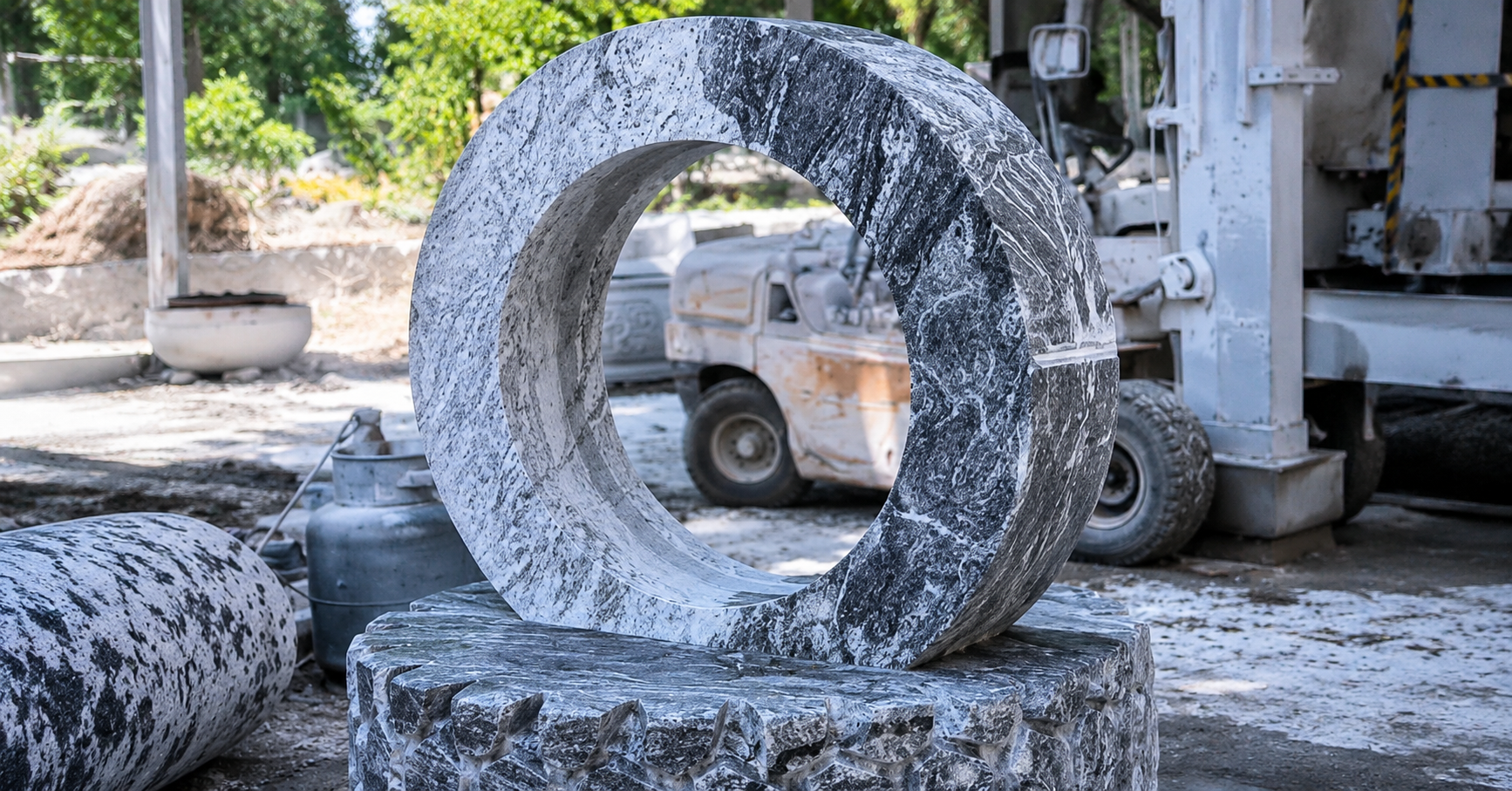
Water looks soft. Stone looks strong. But nature has a surprising lesson: the softest force can defeat the hardest object when it has time, pressure, and persistence.
That is why water can defeat a 1000kg stone.
A huge rock may look impossible to move, break, or reshape. But water does not need muscles. It uses patience. Drop by drop, wave by wave, current by current, water slowly weakens stone until the rock cracks, moves, or disappears into sand.
This is one of the most powerful lessons in nature. Strength is not always about size. Sometimes, consistency is more powerful than force.
How Water Defeats Stone
Water defeats stone through a natural process called erosion. Erosion happens when water wears away rock, soil, and other materials over time.
A single drop of water cannot destroy a stone. But millions of drops over months, years, or centuries can change the shape of mountains, carve valleys, and smooth giant rocks.
Rivers, waterfalls, rain, floods, and ocean waves all use the same method: constant movement.
Water Uses Pressure
When water flows fast, it carries energy. That energy pushes against rocks again and again.
In rivers, fast-moving water can roll heavy stones along the riverbed. During floods, water becomes even stronger and can move rocks that humans would struggle to lift.
Even a 1000kg stone can be shifted if the water current is powerful enough.
Water Uses Sand and Small Stones as Weapons
Water does not always work alone. Rivers and waves carry sand, gravel, and smaller stones.
As these materials hit larger rocks, they act like natural sandpaper. Over time, they scratch, grind, and weaken the surface of the stone.
This is why river rocks often become smooth and round.
Water Enters Cracks
Stone may look solid, but many rocks have tiny cracks. Water enters those cracks.
When temperatures drop, the water can freeze and expand. This puts pressure inside the rock. Over time, the crack grows wider until the stone breaks apart.
This process is called freeze-thaw weathering.
Water Dissolves Some Rocks
Some rocks can slowly dissolve in water, especially when the water contains natural acids.
Limestone is a good example. Over time, water can dissolve limestone and create caves, sinkholes, and underground rivers.
That means water does not just move stone. Sometimes, it chemically breaks it down.
The Power of Time
The real secret is time.
A 1000kg stone may win in one second. But water wins over years.
That is how rivers carve canyons. That is how waves shape coastlines. That is how waterfalls cut through rock.
Water proves that persistence can defeat resistance.
Life Lesson From Water and Stone
The story of water and stone is not just science. It is also a life lesson.
You do not always need to be the strongest person in the room. You need consistency, patience, and direction.
Water does not stop because the stone is hard. It keeps flowing.
And eventually, the stone changes.
Conclusion
Water can defeat a 1000kg stone because it combines movement, pressure, erosion, freezing, chemical reaction, and time.
The stone may be heavy, but water is relentless.
That is why nature teaches us one powerful truth:
Soft does not mean weak.
Slow does not mean powerless.
Consistent pressure can break anything.