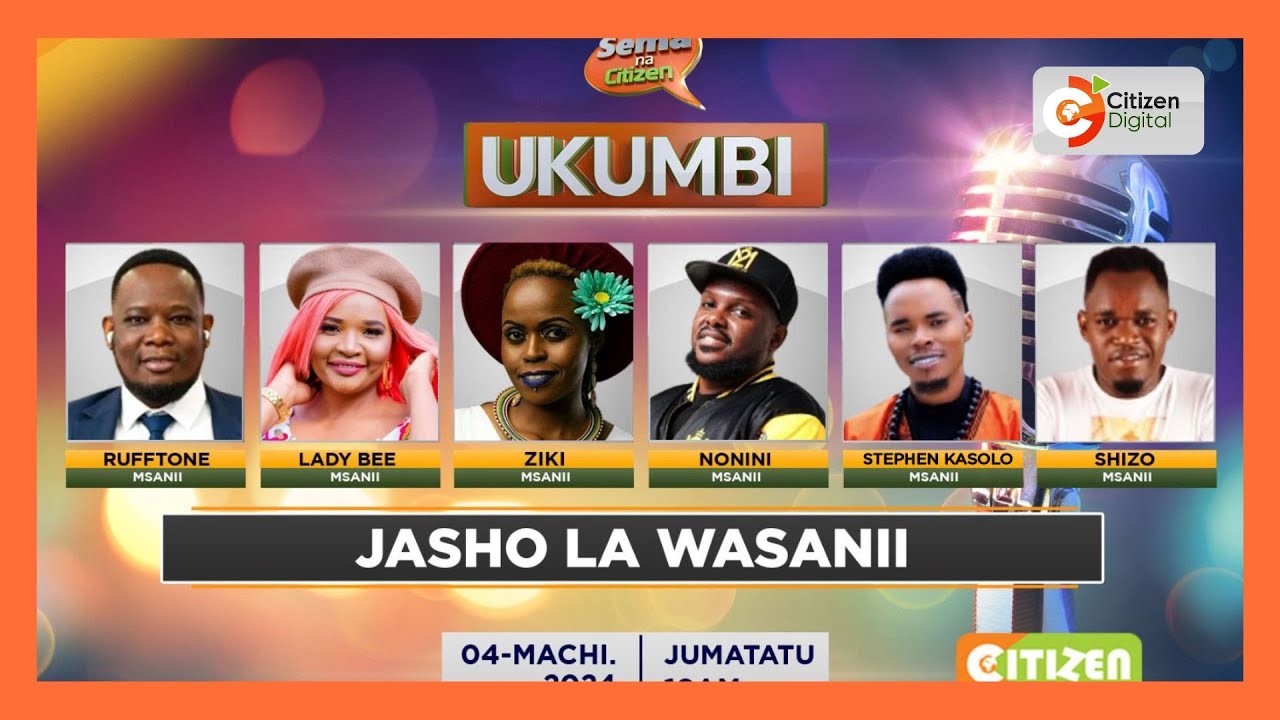
In a heated debate on Citizen TV, Ezekiel Mutua, CEO of the Music Copyright Society of Kenya (MCSK), faced tough questions from Kenyan artists concerning royalty payments. The discussion included notable artists like Nonini, Shizo, Rufftone, Stephen Kasolo, and Ziki, who raised concerns about the fair distribution of royalties.
Shizo, a prominent artist from Western Kenya, voiced his frustration over not receiving royalties for his hit song ‘Rhoda,’ despite its widespread popularity and engagement on platforms like TikTok. He highlighted the disconnect between the song’s success and financial remuneration.
Nonini, Chairman of the Creatives Society of Kenya, criticized MCSK and other Collective Management Organizations (CMOs) for not adhering to government and regulatory body directives. He referenced the Kenya Copyright Board (KECOBO) mandate requiring CMOs to distribute 70% of collected royalties to artists. Nonini expressed astonishment at the discrepancy between what artists earn and what they should, revealing that some artists receive as little as Ksh.100,000, despite deserving more.
In his defense, Mutua outlined MCSK’s recent memo detailing the timeline for last year’s royalty disbursements. He clarified that Shizo’s song ‘Rhoda’ was not registered with MCSK, which disqualified it from earning royalties. Mutua emphasized the necessity for artists to declare their works to MCSK to qualify for royalties, noting that platforms like TikTok and YouTube are not covered under MCSK’s remit.
The discussion shed light on broader issues, with artists lamenting the imbalance between the investment in their music and the returns from royalties. Ziki criticized KECOBO for failing to adequately support artists, and Sharon Wata of KECOBO responded with an apology, clarifying that KECOBO does not collect royalties.
Rufftone pointed to a disconnect between MCSK and artists in remote areas, stressing the need for better engagement to ensure artists everywhere can benefit from their work. He also referenced the Kenya Kwanza administration’s commitment to recognizing talent as a business, urging for a more inclusive approach.
Mutua acknowledged the need for MCSK to provide more transparent and accessible services, mentioning plans to implement technology for real-time royalty tracking to enhance transparency and efficiency.
This confrontation underscores the ongoing struggle within the Kenyan music industry to establish a fair and transparent system for royalty distribution, reflecting a broader call for reforms that ensure artists are adequately compensated for their work.