After 43 days of disruption, the US government reopened on November 13, 2025, ending the longest shutdown in US history. The shutdown wreaked havoc on air traffic, disrupted food assistance for millions of Americans, and left over 1 million federal workers without pay. As the government resumes operations, however, the deep political divisions that led to the shutdown remain unresolved, with no clear path forward on key issues such as health subsidies and government spending.
The reopening comes as lawmakers have agreed on a temporary funding package to keep the government operational until January 30, 2026. But critics argue that the deal leaves many crucial issues unaddressed, raising the specter of another shutdown in just a few months.
A Political Stalemate: The Causes of the Shutdown
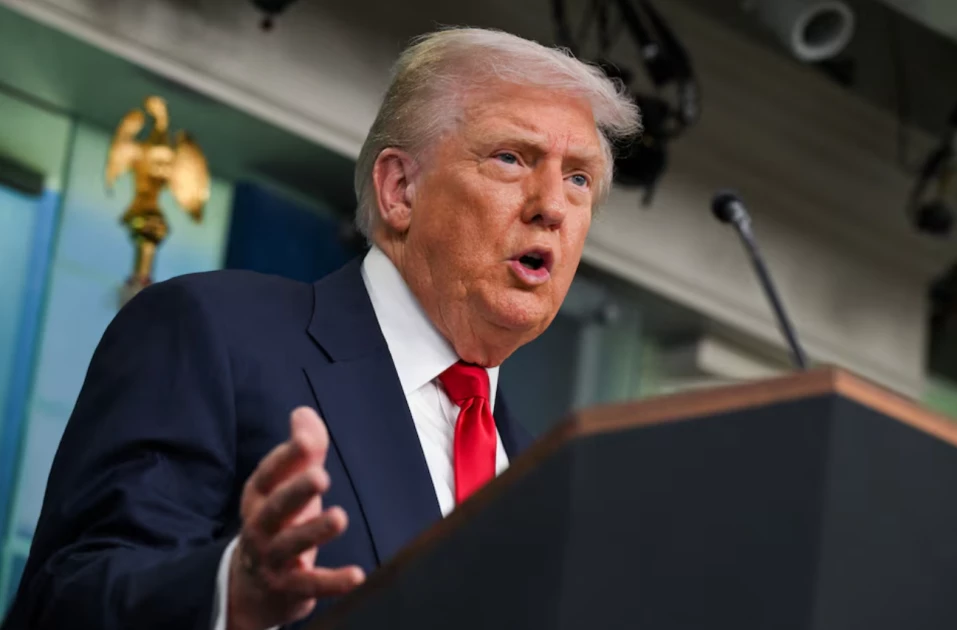
The shutdown was largely the result of a standoff between Republican President Donald Trump and Senate Democrats over health subsidies. Senate Democrats pushed for an extension of health subsidies that were about to expire, while Republicans insisted on maintaining their authority over federal spending. The resulting funding package includes no guarantees for the health subsidies, though Senate Republicans have promised a vote on the issue—without assurances that it will pass.
The shutdown also exposed tensions within the Democratic Party. Progressive members of the party, who demanded more aggressive action to challenge Trump’s policies, clashed with more moderate Democrats who were cautious about pushing too hard against a Republican-controlled Senate. Even Senate Democratic Leader Chuck Schumer faces calls to step down, despite voting against the deal.
Public Opinion: Blame Shared Between Republicans and Democrats
The shutdown has left both parties with a significant share of blame. A Reuters/Ipsos poll revealed that 50% of Americans blame Republicans for the shutdown, while 47% blame Democrats. The divide shows that neither side has been able to win the public’s approval, with many Americans frustrated by the lack of progress on the nation’s most pressing issues.
This political deadlock also came at a cost. Flights were grounded, food benefits were delayed, and key economic data was withheld, leaving consumers and investors anxious about the economic impact of the shutdown. The Congressional Budget Office (CBO) estimates that the shutdown will reduce US GDP by 1.5 percentage points, delaying around $50 billion in spending, though the economy is expected to bounce back once the government reopens.
Flights, Food Benefits, and Federal Workers Return
One of the immediate effects of the government reopening is the return of essential services. The Federal Aviation Administration (FAA) has resumed operations, restoring normal air traffic after thousands of cancellations due to staff shortages. Meanwhile, food assistance (SNAP) has been restored for 42 million Americans, who can now receive the benefits they rely on to pay for groceries.
For federal workers, the 2019 backpay law ensures that they will receive compensation for the time they were furloughed, though President Trump has threatened to withhold pay for certain employees. Trump’s downsizing campaign for the federal workforce will be paused until January 2026, but he still plans to reduce the 2.2 million-strong civil service by 300,000 workers by year-end.
A Looming Deadline: Another Shutdown Possible in Early 2026
Although the government is now back up and running, the funding deal only lasts until January 30, 2026, leaving the door open for another shutdown early next year. This uncertainty has fueled concerns about the future of the nation’s economy and public services. The CBO has predicted that up to $14 billion in lost economic activity from the shutdown will not be recovered, potentially harming long-term growth prospects.
Looking Ahead: Health Subsidies and the National Debt
In addition to the looming healthcare debate, the shutdown raised larger questions about the $38 trillion national debt, which was largely ignored during the crisis. Both parties have largely avoided discussing the growing debt, which is projected to increase by approximately $1.8 trillion per year. Without addressing this issue, the US may continue to face mounting fiscal challenges that could lead to further deadlocks and shutdowns in the future.
Representative Brian Fitzpatrick, a Republican moderate, voiced his frustration, calling for a legal prohibition on government shutdowns. “It’s absolutely insane that we are using shutdowns as leverage for policy,” he stated, underscoring the broader bipartisan dissatisfaction with how the shutdown was handled.
Conclusion: The Unresolved Battle Over Government Funding
As the US government reopens, it is clear that the shutdown has done little to resolve the deep political divisions that caused it. With major issues like health subsidies and spending control still unresolved, the prospect of another shutdown looms large. Meanwhile, Republicans and Democrats continue to grapple over the future direction of the nation’s economy, leaving many Americans uncertain about what comes next.