


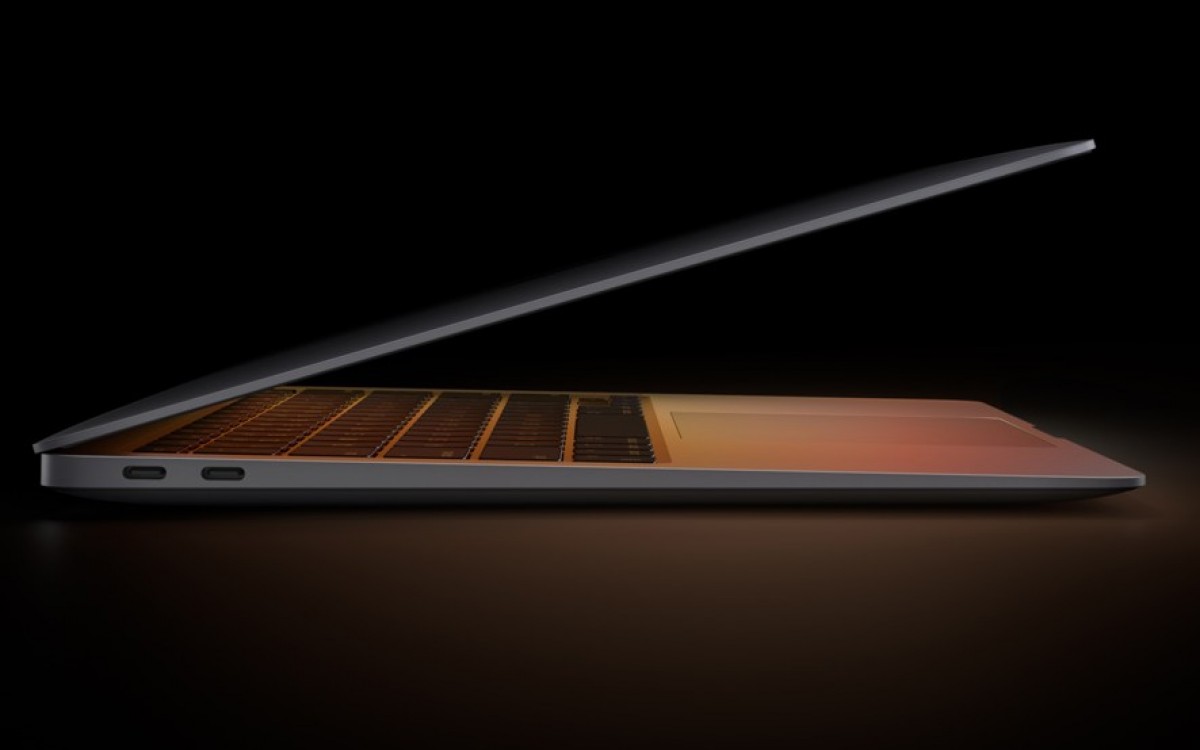
The recent implementation of a 10% tariff on all imports from China by President Donald Trump has begun to reshape the pricing landscape for various consumer goods in the United States, with laptops being notably affected. This article delves into how these tariffs are influencing prices, particularly focusing on Apple’s strategy and the broader market implications.
Impact on Laptop Prices
- Immediate Price Adjustments: With the tariffs now in effect, companies are faced with a decision: to absorb the increased cost or pass it onto consumers. Acer, for instance, has opted to increase the price of its products by 10% to reflect the new tariff costs.
- Apple’s Strategy: Apple, on the other hand, has chosen a different route. To maintain current pricing, Apple is absorbing the 10% tariff cost into its profit margins. This move is seen as a strategic decision to keep its products competitively priced during this period of economic adjustment.
Challenges in Manufacturing Relocation
- Feasibility Issues: Moving manufacturing operations out of China poses significant challenges for tech companies. Relocating to another country or shifting production back to the US isn’t currently viable due to the complexities involved in supply chain management and the fact that many components would still be imported from China, thus remaining subject to tariffs.
- Component Dependency: Even if manufacturing were to be moved, the reliance on Chinese components means that the cost increase due to tariffs would persist, nullifying some benefits of relocation.
Economic Implications
- CTA’s Forecast: The Consumer Technology Association (CTA), with Apple as a core member, has projected that these tariffs will lead to an additional $143 billion in costs for US consumers. This forecast suggests a potential decrease in consumer spending on technology, which could lead to a slowdown in sales.
- Inventory and Consumer Behavior: Companies still have inventory that was imported before the tariffs took effect. This stock can be sold at current prices, prompting consumers to consider purchasing tech products sooner rather than later to avoid the impending price hikes.
Market Dynamics
- Consumer Response: The immediate impact of these tariffs might encourage consumers to make purchases before prices rise, influencing buying patterns. However, over time, if tariffs persist, consumer demand might decrease due to higher prices, affecting the tech market’s growth.
- Competitor Reactions: While Apple absorbs costs, other manufacturers like Acer must decide how to manage their pricing strategy. This could lead to a varied pricing landscape where some brands become more expensive, potentially shifting market share.
Conclusion
Trump’s tariffs are putting direct pressure on the pricing of tech products like laptops. Apple’s decision to absorb costs temporarily shields consumers from immediate price increases but at the expense of its profit margin. The broader market, however, might see a gradual increase in prices, influencing consumer behavior. With the CTA’s warning of significant additional costs and potential sales slowdown, the tech industry is navigating through a period of adjustment, where strategic decisions will define market performance in the coming months. If you’re in the market for new tech, acting quickly might help you dodge the expected price surge.




