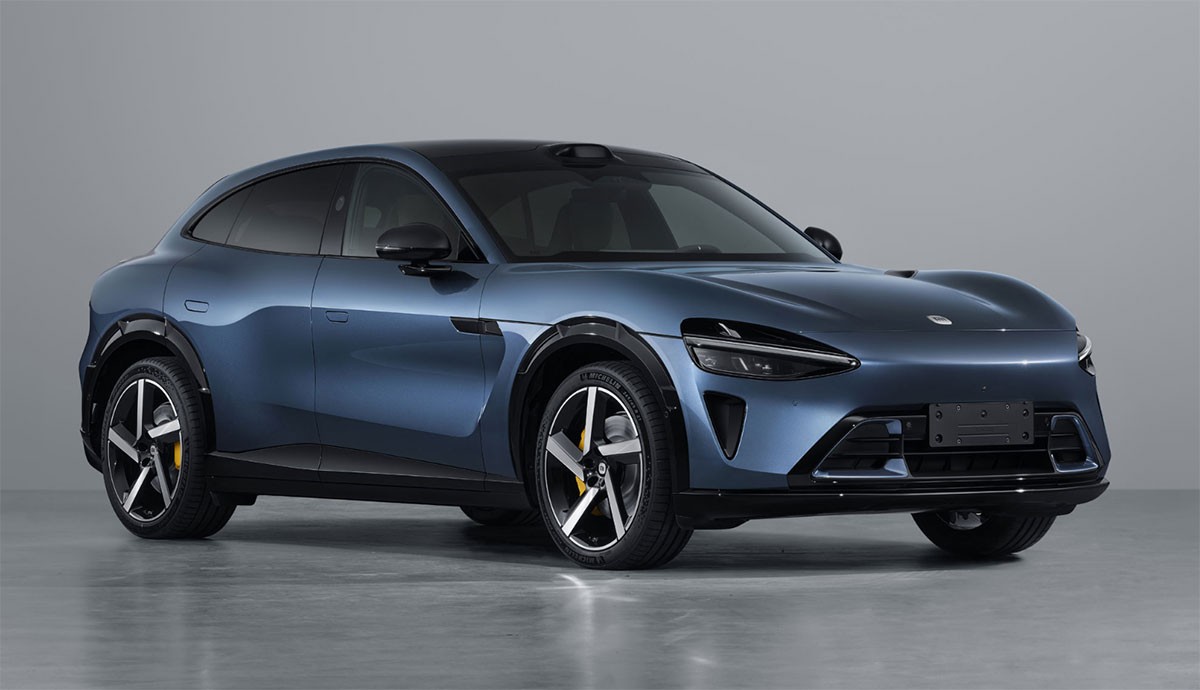
Xiaomi, the tech giant known for its smartphones, is making significant strides in the electric vehicle (EV) market with its second offering, the YU7 SUV. Following the success of their first model, the SU7 sedan, Xiaomi is now preparing to launch the YU7 with multiple powertrain options. Here’s a detailed look at the newly certified dual-motor all-wheel drive (AWD) versions of the YU7 SUV.
Certification Details
Recent filings with Chinese regulatory authorities have shed light on the new variants of the Xiaomi YU7. The first dual-motor AWD version to be certified boasted a powerful setup with:
- Front Motor: 220 kW (295 hp)
- Rear Motor: 288 kW (386 hp)
This variant sets a high-performance benchmark, aligning with Xiaomi’s reputation for pushing boundaries in technology.
New Filing: AWD with Less Power
Today, another filing has revealed a second dual-motor AWD configuration for the YU7, which features:
- Front Motor: 130 kW (174 hp)
- Rear Motor: 235 kW (315 hp)
This option provides a more balanced power distribution, potentially targeting consumers looking for efficiency alongside performance. The motors for both variants are supplied by Inovance Automotive and United Automotive Electronic Systems, ensuring quality and reliability.
Battery and Performance
The newly certified variant uses a Lithium Iron Phosphate (LFP) battery from FinDreams, which is BYD’s battery division. This choice of battery type suggests a focus on longevity, safety, and potentially lower costs. The specifications include:
- Weight: 2,425 kg
- Top Speed: 240 km/h
These figures indicate that despite the reduced power output compared to the first variant, the YU7 remains a formidable competitor in terms of speed and performance for an SUV of its class.
Additional Powertrain Option
Besides the two AWD configurations, there’s also mention of a single rear-wheel drive (RWD) version:
- Rear Motor: 235 kW (315 hp)
This motor appears to be identical to the rear unit in the newly certified AWD model, suggesting efficiency in manufacturing by utilizing common parts across models.
Market Impact and Expectations
The introduction of the YU7 comes at a time when Xiaomi has already established itself in the EV market with over 150,000 units of the SU7 sold. With a delivery goal set at 300,000 units for this year, the YU7 SUV is poised to play a pivotal role in achieving this target. The SUV’s popularity, combined with Xiaomi’s aggressive pricing strategy and focus on technology, could further disrupt the competitive landscape of electric vehicles in China and potentially beyond.
Conclusion
Xiaomi’s venture into the EV market with the YU7 SUV showcases a strategy of offering diverse powertrain options to cater to different segments of the market – from performance enthusiasts to those prioritizing efficiency. With its certification now complete, the YU7 is on track for a mid-2025 launch, promising to be a significant addition to Xiaomi’s burgeoning automotive lineup. As the year progresses, it will be interesting to see how these new variants perform in real-world conditions and whether they can help Xiaomi meet its ambitious delivery goals.