The top economies in East Africa are driving growth, trade, and development across the continent. Based on estimated nominal GDP in 2025, the region showcases a mix of established and emerging economies, with Kenya, Ethiopia, Tanzania, and Uganda taking the lead. Together, these four account for a significant share of East Africa’s overall economic output, shaping policies and investments that influence the wider African economy.
Top Ten East African Economies (2025 Nominal GDP)
- Kenya – $132 Billion
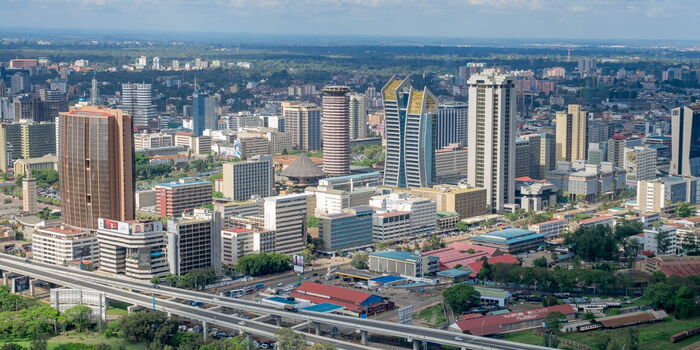
Kenya remains the largest economy in East Africa, buoyed by a diverse base that includes agriculture, manufacturing, financial services, and a rapidly growing technology sector often dubbed the “Silicon Savannah.” Nairobi continues to serve as a regional hub for finance and innovation. - Ethiopia – $117 Billion
Ethiopia follows closely, driven by infrastructure projects, agriculture, and industrial expansion. Despite challenges such as inflation and political pressures, Ethiopia’s economy remains resilient and plays a pivotal role in the Horn of Africa. - Tanzania – $85 Billion
Tanzania’s economy benefits from natural resources, agriculture, and tourism, with Dar es Salaam acting as a key trade port for the region. The government’s focus on industrialization has also spurred growth in recent years. - Uganda – $64 Billion
Uganda’s economy continues to expand through agriculture, services, and oil exploration. With Kampala as a dynamic commercial hub, Uganda is positioning itself as a key player in regional integration and trade. - Sudan – $32 Billion
Sudan, despite political and economic difficulties, remains an important economy in the northeast of Africa. Its resources and geographic position near the Red Sea contribute to its regional significance. - Madagascar – $18 Billion
Madagascar’s economy relies heavily on agriculture, textiles, and mining. Its unique biodiversity also makes it a global tourism destination, contributing foreign exchange earnings. - Mauritius – $15 Billion
Mauritius has built a reputation as a financial hub in the Indian Ocean. With a service-oriented economy focused on banking, tourism, and ICT, it ranks among the most stable and developed economies in Africa. - Rwanda – $14 Billion
Rwanda’s growth is notable given its small size. Driven by services, tourism, and ambitious infrastructure projects, Kigali has become a rising star in Africa’s economic transformation. - Somalia – $13 Billion
Somalia’s economy is largely informal, with agriculture and remittances forming the backbone. Despite ongoing challenges, the country shows resilience, supported by its livestock trade and diaspora contributions. - Burundi – $6 Billion
Burundi closes the list, with agriculture—particularly coffee and tea—dominating its GDP. Though among the smallest economies, it remains strategically significant within the East African Community.
Regional Significance
Together, Kenya, Ethiopia, Tanzania, and Uganda account for the bulk of East Africa’s nominal GDP. These economies serve as anchors for investment, trade, and regional integration. They are also central to the African Continental Free Trade Area (AfCFTA), which seeks to boost intra-African commerce.
Outlook and Forecasts
Economic forecasts remain subject to change due to global and regional factors, including commodity prices, political stability, climate change, and global market shifts. However, East Africa’s resilience, coupled with a young population and expanding infrastructure, positions the region as one of the most dynamic growth centers in Africa.
Conclusion
The top ten economies in East Africa reflect a balance between established regional giants and smaller yet fast-growing states. With Kenya, Ethiopia, and Tanzania leading the pack, and countries like Rwanda and Mauritius carving out specialized niches, East Africa remains a vital engine of growth for the African continent.