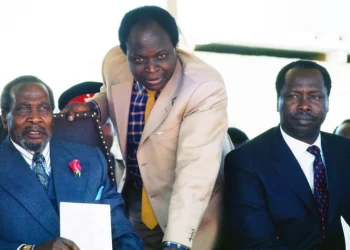
Sunday, June 10, 2012, began like any other campaign morning for Kenya’s political class. But by 9 a.m., tragedy had struck the nation’s security docket. A Kenya Police Airwing Eurocopter AS350B3e, carrying Internal Security Minister Prof. George Saitoti and his Assistant Minister Joshua Orwa Ojode, crashed into Kibiko Forest in Ngong Hills, killing all six on board.
Also perishing were Captain Luke Oyugi, Captain Nancy Gituanja, and their two bodyguards, Inspector Joshua Tonkei and Sergeant Thomas Murimi. The chopper had taken off from Wilson Airport, headed to Ndhiwa, where the two ministers were to attend a fundraising event.
Within minutes, news of the crash rippled through the nation. Kenya fell silent. It wasn’t just an accident — it was a blow to the country’s political heart.
Two Ministers, One Destiny
The deaths of Saitoti and Ojode came at a politically charged time. Both men were expected to play pivotal roles in the 2013 General Elections.
Joshua Orwa Ojode, fondly known as Sirkal in his Ndhiwa constituency, was known for his humility, accessibility, and fierce loyalty. Every Thursday, he could be found at the Ndhiwa cattle market, mingling freely with locals. His leadership style earned him respect across party lines.
Prof. George Saitoti, on the other hand, was a seasoned politician — once Vice President, an academic, and a man many believed harbored presidential ambitions. Together, the two represented the delicate balance of Kenya’s security leadership — intellect and grassroots power.
When their helicopter went down, the symbolism was impossible to ignore: two men central to Kenya’s stability, lost in one fiery instant.
Mourning a Nation’s Servants
President Mwai Kibaki, addressing the nation, declared three days of national mourning. He described the two as “patriots and committed public servants who served their nation diligently.”
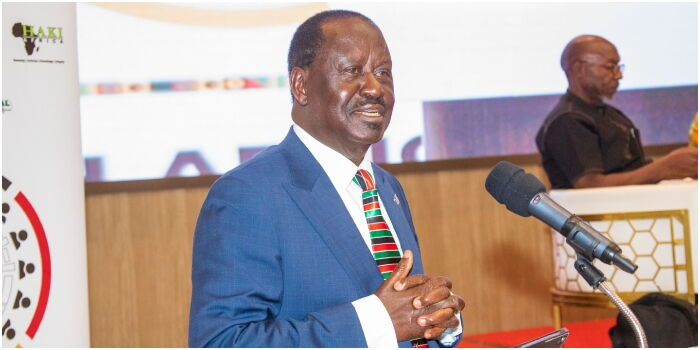
Prime Minister Raila Odinga, speaking at the crash site, promised a full investigation. “We will get to the bottom of this,” he said solemnly. It was a painful déjà vu — the crash had occurred on the same date as the deaths of Kipkalia Kones and Lorna Laboso in 2008.
Both Saitoti and Ojode were later accorded state funerals, attended by thousands, including foreign dignitaries. But behind the ceremonies, questions simmered.
The Inquiry and Lingering Questions
A Commission of Inquiry led by Justice Kalpana Rawal investigated the crash. Its findings pointed to multiple failings:
- The aircraft was overloaded by 11 kg.
- The pilots lacked experience flying that specific helicopter model.
- The crew was not trained for poor weather conditions.
- The battery system may have been faulty, causing a mid-air fire.
Radar data showed the helicopter veered erratically before nose-diving and exploding upon impact. Officially, it was deemed a tragic accident.
Yet for many Kenyans, the answers were not enough. The deaths came at a time when political realignments were underway — alliances were shifting, and power blocs were forming. To some, it felt too convenient.
Was it truly mechanical failure? Or a calculated move to reshape Kenya’s political future?
A Legacy of Service and Suspicion
Joshua Orwa Ojode and George Saitoti were more than ministers — they were symbols of loyalty, intellect, and ambition. Their bond in death reflected a shared destiny in life: both were loyal to their superiors, both had rising influence, and both died just as their political stars were ascending.
In Ndhiwa, locals still remember Sirkal — the leader who laughed with them in markets and stood by them in hardship. In Kajiado, the people of Ngong still speak of that tragic morning when the forest burned and the sky fell silent.
Thirteen years later, their deaths remain one of Kenya’s most haunting mysteries — a story suspended between fate and betrayal, tragedy and political convenience.