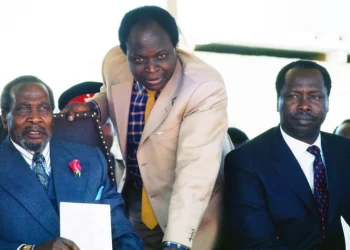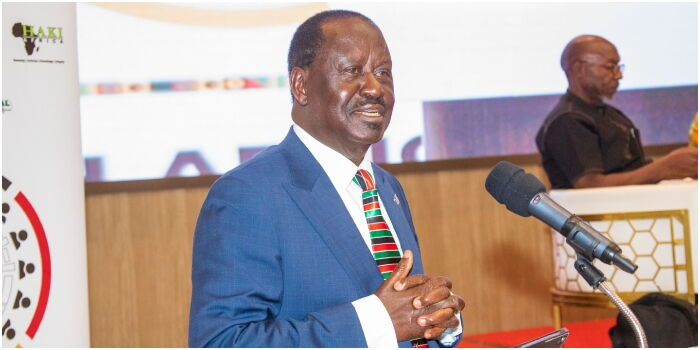
Few Kenyans know that Raila Amolo Odinga, one of the most influential figures in modern African politics, descends from a royal bloodline stretching back to the Wanga Kingdom of Western Kenya. Often dismissed as a political statement aimed at connecting with the Mulembe nation, Raila’s claim of being the 13th grandson of King Nabongo Mumia is, in fact, deeply rooted in verifiable historical lineage.
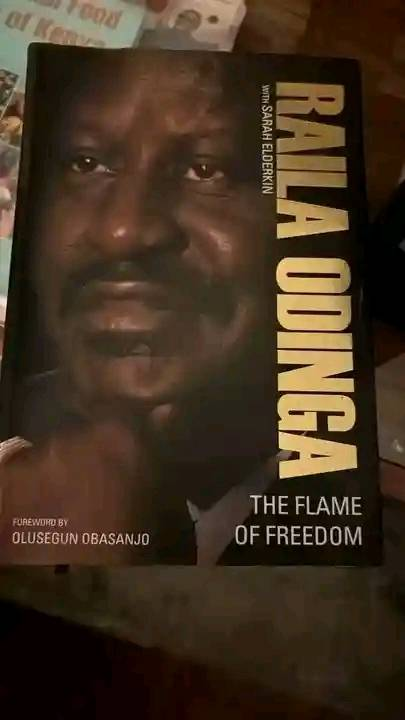
This ancestry is documented in his autobiography, “The Flame of Freedom,” where Raila traces his genealogy across 13 generations, connecting the Odinga family to the Wanga royal dynasty, one of the oldest and most organized monarchies in Kenya.
The Wanga Kingdom: Kenya’s First Centralized African Monarchy
The Wanga Kingdom, based in present-day Mumias and Matungu, was founded in the 16th century by Nabongo Wanga, who led a structured form of governance long before the arrival of European colonial powers. The Wanga rulers had a hierarchical administrative system, collected tribute, and maintained diplomatic ties with Arab traders and neighboring kingdoms.
Nabongo Mumia, the most famous ruler, rose to prominence in the late 19th century as the British colonial administration’s key ally in Western Kenya. His reign transformed Mumias into a regional hub of trade, politics, and influence.
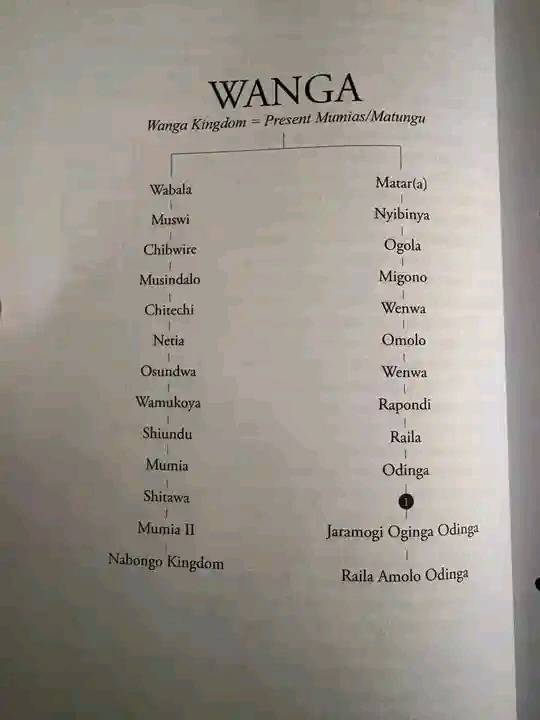
Raila’s family lineage — as shown in genealogical charts from “The Flame of Freedom” — connects directly to this royal house through a succession of leaders and families spanning generations, eventually merging with the Odinga lineage of Sakwa in Siaya County.
How the Lineage Flows: From Nabongo to Odinga
According to Raila’s genealogical records, the Wanga Kingdom’s royal line branches through Nabongo Mumia II’s descendants and intersects with the Odinga family through Raponde, Raila’s great-grandfather, and Odinga, his grandfather.
From Odinga, the lineage continues to Jaramogi Oginga Odinga, Kenya’s first Vice President, and finally to Raila Amolo Odinga, marking 13 successive generations from the Wanga monarch.
This historical connection suggests that Raila Odinga’s roots are not confined to Luo ancestry alone but also extend deep into Luhya royal heritage, symbolizing the intertwined histories of Kenya’s western communities.
Cultural and Political Significance of the Revelation
Raila’s royal ancestry carries symbolic weight — culturally, politically, and historically. It bridges the ethnic and cultural divide between Luo and Luhya communities, two groups that have shared political destinies and social bonds for centuries.
Politically, the revelation adds an intriguing dimension to Raila’s leadership narrative. Beyond being a freedom fighter and reformist, he embodies the heritage of leadership by birth and by service — a legacy spanning from traditional African royalty to modern democratic struggle.
In “The Flame of Freedom,” Raila writes that he views this heritage not as a claim to privilege but as a reminder of duty and continuity — the belief that leadership is a generational trust, not an entitlement.
A Legacy of Leadership Across Centuries
From Nabongo Wanga, the first organized monarch of Western Kenya, to Raila Odinga, a statesman who shaped Kenya’s democratic journey, this lineage tells a powerful story of endurance, evolution, and shared destiny.
Both men, separated by centuries, were bridge-builders in their own right — Nabongo as a unifier of clans and Raila as a symbol of national reconciliation and reform. Their shared legacy is one of leadership rooted in service and resilience.
In tracing his ancestry back to the Wanga Kingdom, Raila Odinga does more than claim royal descent — he reclaims a chapter of African history where kingship met democracy, and where heritage continues to inspire hope for unity and justice.