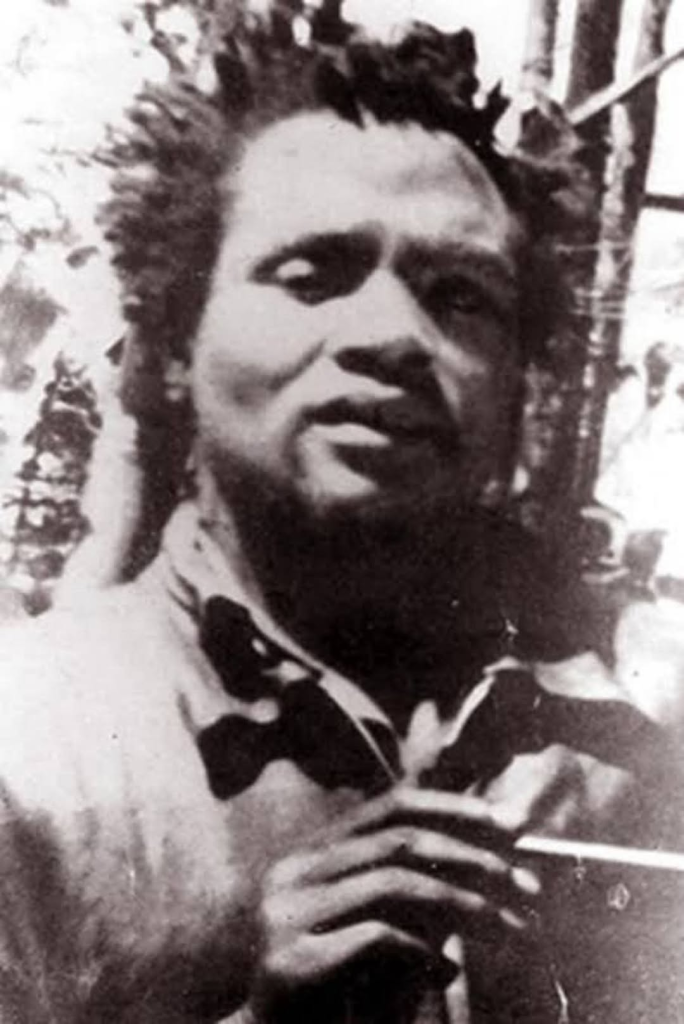
The Mau Mau Uprising, one of the most significant and violent struggles for Kenya’s independence, was not confined solely to the forests of Mount Kenya. The Mau Mau fighters were organized in urban areas such as Nairobi, where they operated under the leadership of generals and commanders, with operations aimed at both colonial settlers and collaborators. The fighters in Nairobi were distinct from the forest-based rebels in that they operated covertly in the city, blending into everyday life, but their actions were no less deadly. Key leaders like General Dedan Kimathi, Stanley Mathenge, and others were instrumental in coordinating these urban operations. This article delves into the organization and tactics of the Nairobi Mau Mau fighters and the execution of two key individuals, Tom Mbotela and Ambrose Ofafa, whose betrayals led to their death at the hands of the movement.
The Organization of Mau Mau Fighters in the Towns
Unlike the forest fighters who wore no disguise and fought openly, the Mau Mau in Nairobi adopted a more covert approach. They wore regular civilian clothes—suit-and-tie or dresses—and kept their hair short, often carrying passbooks that allowed them to move freely through the city without suspicion. This strategy enabled them to infiltrate various areas and strike when least expected. The fighters blended in with the general population, which made it difficult for the colonial authorities to distinguish who was loyal to the movement and who was not.
These urban fighters were organized into battalions that mirrored the structure of the forest forces. These battalions were organized into divisions, locations, and districts, each with its assigned leader who reported back to the forest generals. Generals like Enoch Mwangi, Kariuki ‘Maitho Mana’, Kariuki Chotara, Brigadiers Gitonga Gathanju, Tanu Njoki, and Mwangi Mambo commanded the fighters in Nairobi, ensuring that operations remained effective.
David Mathu, who served as the Secretary General of the Mau Mau in the towns, played a crucial role in coordinating and maintaining the movement’s secrecy and efficiency. He was responsible for overseeing operations in Nairobi and ensuring that the fighters adhered to the movement’s objectives.
Mau Mau Operations in Nairobi: The Killings and Retaliation
In Nairobi, there was no place that was completely safe from the reach of the Mau Mau fighters. Their targets included Europeans, Africans, and Asians alike, with no distinction based on race. Their operations were characterized by sudden and decisive strikes—assassinations of individuals whom they considered to be traitors or collaborators with the colonial regime. These attacks were swift and often took place in the homes, workplaces, or even hospitals of their victims.
The Mau Mau had a saying, “ndithúire múnyoni ta múnyaníríri” (I do not hate anyone unless they shout when they see me), which reflected their willingness to strike anyone who opposed the movement or the fight for freedom. Before striking, however, certain individuals, like Mathenge or Kimathi, had to give permission for the attack to proceed, particularly when targeting high-ranking figures.
The Killing of Tom Mbotela and Ambrose Ofafa
In early 1953, the Mau Mau Central Committee in Nairobi received a letter that would change the course of their operations. The letter, delivered by Major Kahiga, a messenger sent by Dedan Kimathi, outlined the treachery of two individuals: Tom Mbotela and Ambrose Ofafa. Both men were accused of betraying the Mau Mau cause by disclosing information about the movement to the colonial authorities and publicly speaking against the Kenya African Union (KAU), the political party led by Jomo Kenyatta.
Tom Mbotela, a City Councillor, had agreed to testify against Mzee Jomo Kenyatta, while Ambrose Ofafa, also a City Councillor and leader of the Luo Union, publicly condemned the Mau Mau and its leaders. Ofafa even preached in churches, urging Africans to abandon the struggle for independence and instead support the colonial government.
The Nairobi Central Committee viewed these actions as severe betrayals and sought permission from Kimathi and Mathenge to execute the two men. Upon reading the letter aloud to his troops, General Kimathi deferred the decision to the assembled fighters. After a brief period, Kimathi wrote a letter to the Nairobi Freedom Fighters authorizing the killings of both Mbotela and Ofafa.
By the time Major Kahiga returned to Nairobi with the letter, the two men had already been hunted down and killed. The deaths of Mbotela and Ofafa were seen as a necessary act of cleansing the movement of traitors. This event marked a turning point in the Mau Mau’s urban operations, as it demonstrated their resolve to eliminate internal threats and collaborators, no matter their status or position within Kenyan society.
The Legacy of the Mau Mau Fighters in Nairobi
The Mau Mau fighters in Nairobi, though less visible than their forest counterparts, played an integral role in the struggle for Kenya’s independence. Their covert operations not only targeted colonial officials but also sought to purge the movement of traitors who had compromised the cause. The killings of figures like Tom Mbotela and Ambrose Ofafa were a reflection of the movement’s harsh but necessary measures to maintain unity and focus on the ultimate goal of independence.
The Mau Mau’s urban fighters, although operating in a city with its many complexities, proved just as committed and strategic as those in the forests. Their courage and tactical brilliance left an indelible mark on the struggle for freedom, and their actions contributed significantly to the eventual success of the independence movement in Kenya.
Conclusion
The Mau Mau Uprising was a multi-faceted struggle that spanned the forests, towns, and cities of Kenya. The Nairobi-based Mau Mau fighters, under the leadership of figures like General Kimathi and Stanley Mathenge, played a pivotal role in the fight for independence, engaging in covert operations that targeted both colonial forces and collaborators. The deaths of Tom Mbotela and Ambrose Ofafa serve as a reminder of the sacrifices and internal struggles faced by the movement. Today, their actions are remembered as part of the broader narrative of Kenya’s quest for freedom.