The Mombasa Roman Catholic Cathedral, also known as the Holy Ghost Cathedral, is indeed a significant landmark in Mombasa, Kenya. Here are some details about it:
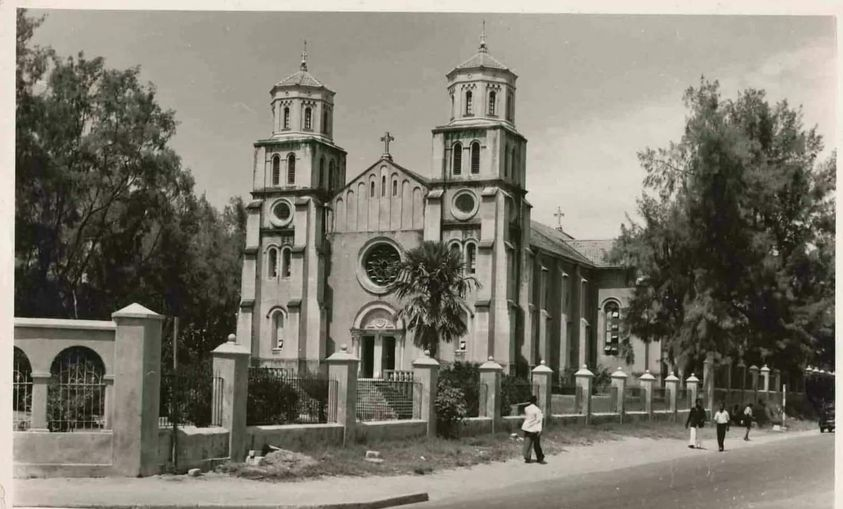
- Construction: The cathedral was constructed in the Romanesque architectural style, which is characterized by rounded arches, thick walls, and a generally heavy appearance. Construction began in 1916 and the cathedral was completed and opened in 1923. It took approximately eight years to complete.
- Location: The cathedral is located in the heart of Mombasa’s old town, which is a historically and culturally rich area.
- Architectural Features: As a Romanesque-style building, the cathedral likely features sturdy walls, rounded arches over windows and doors, and possibly a prominent bell tower or spire. Romanesque architecture was prevalent in medieval Europe and often conveyed a sense of strength and solidity.
- Religious Significance: The cathedral serves as a major place of worship for Catholics in Mombasa and the surrounding region. It is dedicated to the Holy Ghost and plays a central role in the religious and cultural life of the local Catholic community.
- Historical Context: The construction of the cathedral in the early 20th century reflects the enduring presence of Catholicism in Mombasa and its importance as a religious and spiritual center.
- Cultural Heritage: Beyond its religious significance, the cathedral is also a cultural heritage site, contributing to the architectural and historical landscape of Mombasa.
The Mombasa Roman Catholic Cathedral stands as a testament to both the religious faith of the community and the architectural heritage of the region, drawing visitors and worshippers alike to its impressive structure and spiritual atmosphere.