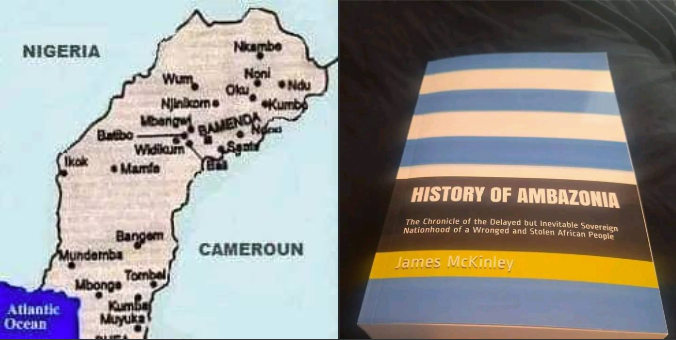
The 2002 International Court of Justice (ICJ) ruling was a landmark decision focused on the territorial dispute between Cameroon and Nigeria over the Bakassi Peninsula and other contested areas. However, the case did not address the issue of Southern Cameroons’ independence or autonomy, a matter that remains a deeply contentious issue in Cameroonian history and politics.
This article clarifies the scope of the ICJ ruling, debunks the false claim about a supposed 2001 U.S. opportunity for Southern Cameroons, and examines the historical grievances of Southern Cameroonians concerning their political status.
ICJ-2002: A Territorial Dispute Between Cameroon and Nigeria
The case before the ICJ was initiated by Cameroon in 1994, primarily concerning the boundary dispute between Nigeria and Cameroon, particularly over the Bakassi Peninsula. The verdict in 2002 ruled in favor of Cameroon, awarding it sovereignty over Bakassi while setting clear land and maritime boundaries.
However, the ICJ case did not deal with the issue of Southern Cameroons’ political status. It was strictly a territorial dispute between two sovereign nations—Nigeria and Cameroon. The ruling had no bearing on Southern Cameroons’ struggle for independence or its claims of autonomy from La République du Cameroun.
Thus, any attempt to link the ICJ ruling to the question of Southern Cameroons’ self-determination is misleading and inaccurate.
Debunking the False Claim About a 2001 U.S. Offer for Southern Cameroons
There have been false claims suggesting that the United States gave Southern Cameroons an opportunity in 2001 to advocate for a separate Cameroon. However, there is no reliable evidence or source to support this claim.
Key Reasons This Claim is False:
- Lack of Documentary Evidence: No official records, reports, or statements from the U.S. government, the United Nations, or any international body support the claim that Southern Cameroonians were given a diplomatic avenue in 2001 to seek independence.
- U.S. Position on Cameroon: The United States has historically supported the territorial integrity of Cameroon and has not officially recognized any movement seeking to separate Southern Cameroons from La République du Cameroun.
- Absence in International Reports: Organizations such as the United Nations, African Union (AU), and the International Crisis Group (ICG), which have monitored the crisis in Cameroon, have never reported on such an event.
This claim appears to be a fabrication or misinformation, possibly intended to mislead those engaged in the struggle for Southern Cameroons’ self-determination.
The Root of the Southern Cameroons Conflict
The issue of Southern Cameroons dates back to the colonial era, when it was a British trusteeship territory under the United Nations mandate, separate from French Cameroon (now La République du Cameroun).
The 1961 UN Plebiscite: A Flawed Decision
The 1961 United Nations-organized plebiscite remains a significant point of contention. Southern Cameroonians were given only two options:
- To join Nigeria.
- To join La République du Cameroun.
Critically, there was no option for independence, which many argue violated the right of the people of Southern Cameroons to self-determination. This lack of an independence option has fueled ongoing grievances and led to the Anglophone Crisis, where separatists demand the restoration of Southern Cameroons’ independence as Ambazonia.
Tensions and the Fight for Rights
Following the plebiscite, Southern Cameroons was integrated into La République du Cameroun, but its people have faced marginalization, cultural erosion, and economic neglect. Over the decades, Southern Cameroonians have advocated for:
- A return to the federal system that was abolished in 1972.
- Greater autonomy and respect for their identity.
- Full independence as the state of Ambazonia.
The continued crackdown on Anglophone activists, protests, and armed conflict in the region has drawn international attention, but little concrete action has been taken to resolve the dispute fairly.
Conclusion
The ICJ ruling in 2002 was solely about territorial disputes between Cameroon and Nigeria and had nothing to do with the Southern Cameroons independence question.
Furthermore, the claim that the United States offered Southern Cameroonians an opportunity for a separate state in 2001 is entirely false and unsupported by any credible evidence.
The real issue at hand remains the longstanding grievances of Southern Cameroonians over their political status, the flawed 1961 plebiscite that denied them the right to full independence, and the continued struggles for self-determination and fair governance.
As the Anglophone Crisis continues, the international community must acknowledge the historical injustices against Southern Cameroonians and push for a resolution that respects their right to self-determination.