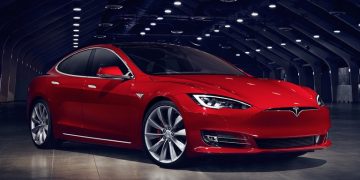
Tesla Robotaxi crashes in Austin have sparked growing concern after new reports revealed three additional incidents in September. These bring the total number of crashes to seven since the service launched, raising questions about the readiness of Tesla’s self-driving technology. The Robotaxi system operates with a supervisor seated in the passenger seat, a setup designed to intervene when necessary. Even with this safeguard, the rising number of accidents suggests the system still faces major challenges during real city-driving scenarios.
The latest incidents highlight different types of obstacles that the software struggled to manage. One Robotaxi collided with a reversing vehicle, another hit a cyclist, and a third struck an animal. These are not extreme highway situations but everyday triggers that autonomous systems must detect reliably. The issues point toward a recurring pattern where obstacle recognition and reaction timing appear inconsistent.

Tesla’s reporting practices add another layer of confusion. Automakers must submit crash reports to US regulators, but Tesla redacts the narrative section that usually explains what happened. Without these details, it is impossible to determine whether the Robotaxi caused the impact or if another driver created the situation. While the redactions are legal, they make independent analysis difficult and weaken public confidence in the reported data.
Mileage data gives a clearer picture of performance. The Robotaxi fleet traveled roughly 402,000 km between late June and early November, increasing to about 483,000 km today. Seven crashes in that distance is a high rate. By comparison, human drivers average over a million kilometers before experiencing a crash. Waymo, Tesla’s primary autonomous competitor, also records far fewer incidents per mile, despite operating driverless vehicles without human supervisors.

The presence of trained monitors inside Tesla’s Robotaxi cars raises important safety questions. Supervisors are meant to stop the car if something goes wrong, yet seven accidents still occurred. It is unclear how many crashes were prevented, but the ones that were not avoided indicate potential unpredictability in the system. If a trained employee cannot always prevent collisions, it calls into question how safe the vehicles would be without a human overseer.
Public acceptance of autonomous vehicles depends heavily on safety performance, and repeated incidents undermine trust. Tesla continues improving its software, but the data from Austin shows a technology still struggling in real-world environments. Greater transparency would help the public understand the causes behind these events, yet Tesla’s limited reporting keeps the full story hidden. For now, the numbers alone suggest that meaningful improvements are still needed to reduce Tesla Robotaxi crashes and build confidence in self-driving transport.