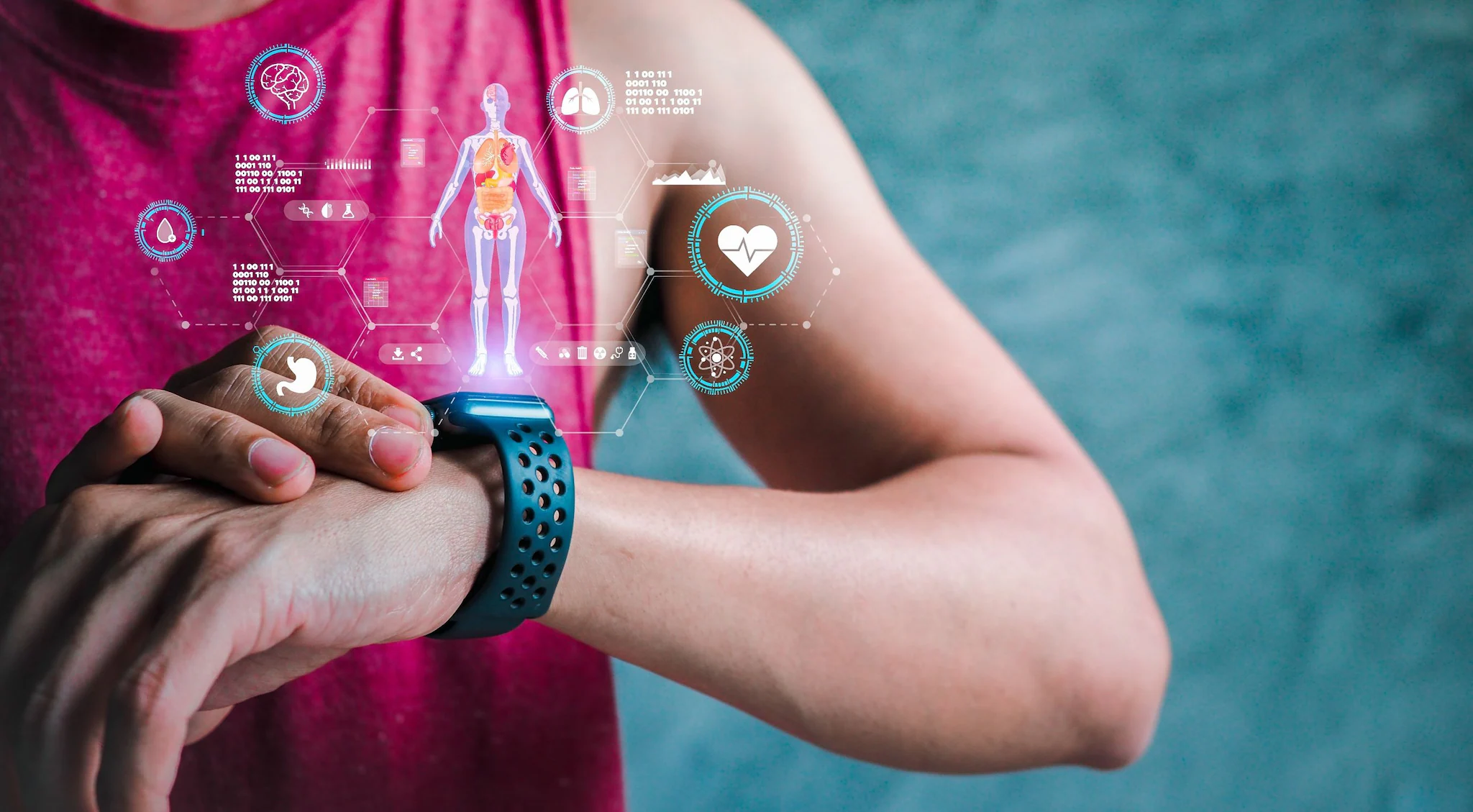
🖥️ Telemedicine Meets AI: Smarter Remote Consultations in 2025
Virtual care is no longer just a convenience—it’s a core part of modern healthcare. In 2025, telemedicine meets AI to deliver smarter remote consultations, combining instant connectivity with intelligent tools that improve diagnosis, triage, and follow-up care.
Let’s explore how AI is revolutionizing virtual healthcare experiences for both patients and providers.
🤖 1. AI-Powered Symptom Triage Before the Call
Before a patient even sees a doctor, AI can:
- Guide users through symptom checkers
- Determine urgency and recommend next steps
- Direct patients to the appropriate specialist
- Flag potential red flags for immediate action
Tools like Babylon Health, Ada, and Buoy Health streamline the pre-consultation process.
✅ Benefit: Reduces wait times and ensures accurate, efficient triage.
🩺 2. Virtual Diagnosis Support During Consultations
AI assists doctors during live video sessions by:
- Suggesting potential diagnoses based on symptoms and history
- Recommending questions to ask or tests to consider
- Highlighting risk factors using patient data
Solutions like K Health, Infermedica, and Google Med-PaLM enhance real-time decision-making.
✅ Benefit: Doctors gain a digital second opinion—without slowing down care.
📊 3. Real-Time Patient Data Integration
AI connects telemedicine platforms to:
- Smart wearables (e.g., heart rate, sleep, oxygen)
- Remote monitoring devices (e.g., glucose, blood pressure)
- EHR systems for a complete health profile
Platforms like TytoCare, Withings, and Current Health offer seamless device integration.
✅ Benefit: Providers can assess patients with real-time context, not guesswork.
🧠 4. Intelligent Note-Taking and Documentation
AI tools transcribe and summarize virtual visits by:
- Recording consultations (with patient consent)
- Creating SOAP notes automatically
- Generating follow-up care instructions or referrals
Tools like Suki, Nabla Copilot, and DeepScribe save doctors hours of admin work.
✅ Benefit: More face time with patients, less paperwork.
💬 5. Post-Consultation Follow-Up and Monitoring
AI helps track patient recovery by:
- Sending automated check-ins or reminders
- Analyzing patient-reported outcomes
- Flagging non-adherence or worsening symptoms
Solutions like HealthTap and Well Health keep the conversation going after the call ends.
✅ Benefit: Continuous care between visits improves patient outcomes.
🧩 6. Bridging Gaps in Access and Equity
Telemedicine with AI is especially impactful in:
- Rural or underserved communities
- Mental health services
- Chronic care for homebound patients
By reducing travel barriers and enhancing virtual diagnostics, it makes healthcare more inclusive and accessible.
✅ Benefit: Expands care access to those who need it most.
📦 Summary Table: AI-Powered Telemedicine Features
| Feature | AI Use Case Example | Key Benefit |
|---|---|---|
| Pre-Visit Triage | Ada, Buoy Health | Faster routing and urgency checks |
| Diagnosis Support | K Health, Infermedica | Smarter clinical decisions |
| Real-Time Health Data | TytoCare, Withings | Context-rich virtual care |
| Documentation Automation | DeepScribe, Suki, Nabla Copilot | Less admin, more care time |
| Remote Follow-Up | HealthTap, Well Health | Better patient engagement |
| Access Equity | AI + telehealth in rural areas | Broader reach, inclusive healthcare |
🎯 Final Thoughts on Telemedicine Meets AI: Smarter Remote Consultations
In 2025, telemedicine meets AI to create faster, smarter, and more human remote consultations. From intelligent triage to real-time diagnostics and follow-ups, AI empowers healthcare providers to deliver high-quality care—anytime, anywhere.
The result? Virtual care that feels as connected and capable as an in-person visit.