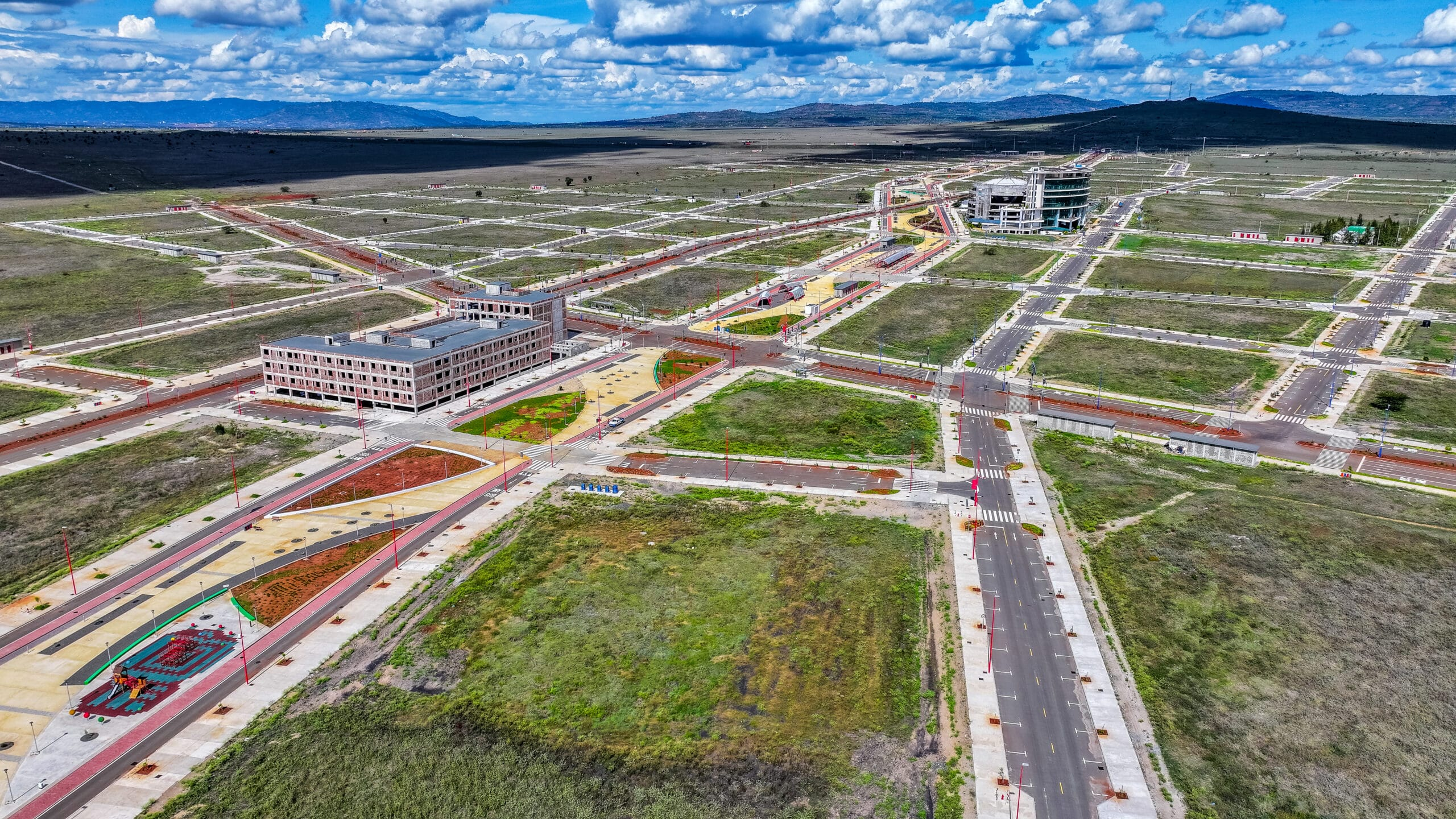
Technopolis Development Authority is now the official name of the former Konza Technopolis Development Authority after President William Ruto assented to the Technopolis Act, 2026, marking a major shift in Kenya’s smart city and innovation agenda.
The change moves the authority beyond a Konza-only identity and gives it a wider national role in planning, developing and managing technopolis projects across the country. Konza City will remain the headquarters and flagship project, but the new legal framework opens the door for additional technology-driven cities, innovation districts and investment hubs in other parts of Kenya.
The move is part of Kenya’s long-running Vision 2030 plan, which seeks to transform the country into a knowledge-based, industrialising and globally competitive economy. Konza has for years been promoted as Africa’s Silicon Savannah, but the new law signals that the government now wants the smart city model replicated beyond one location.
Under the new framework, all references to KoTDA in official documents, contracts, correspondence and stakeholder engagements will now be understood to mean the Technopolis Development Authority. The authority has also assured investors, tenants, partners and customers that the change of name does not affect existing assets, liabilities, contractual obligations or ongoing operations.
Ruto’s Technopolis Act Gives KoTDA a Bigger Mandate
President Ruto’s assent to the Technopolis Act gives the new Technopolis Development Authority a stronger legal foundation to support Kenya’s digital transformation.
Previously, the institution was closely tied to Konza Technopolis, the planned smart city located along the Nairobi-Mombasa corridor. The new law removes that geographical limitation and expands the agency’s work to include other technopolises that may be established in Kenya.
This means the authority can now support the planning and development of technology-focused zones outside Konza. These hubs can be designed around research, innovation, advanced manufacturing, artificial intelligence, digital services, data centres, startups, creative economy projects and knowledge-based enterprises.
The change is therefore not just a rebranding exercise. It is a policy shift that places technopolis development at the centre of Kenya’s future investment strategy.
Why the Technopolis Development Authority Matters
The Technopolis Development Authority matters because Kenya is competing for technology investment, digital jobs and innovation leadership in Africa.
Countries that build strong innovation ecosystems attract startups, research institutions, investors, universities and global technology companies. Kenya already has a strong reputation in mobile money, fintech, digital entrepreneurship and startup activity. The new authority gives the government a formal institution to organise that growth through planned technology zones.
If properly implemented, technopolises can support job creation, research, local manufacturing, digital exports and county-level economic growth.
They can also help counties develop specialised innovation hubs based on their strengths. For example, agricultural counties can focus on agri-tech, coastal counties can focus on maritime and logistics technology, and energy-rich regions can focus on green technology and renewable energy innovation.
Konza City Remains the Flagship Project
Although the authority has changed its name, Konza City remains central to Kenya’s smart city ambitions.
Konza has been positioned as a Vision 2030 flagship project designed to support science, technology, innovation and commercialisation. It is expected to host digital infrastructure, research institutions, technology companies, residential areas, business parks and public service facilities.
The new name does not reduce Konza’s importance. Instead, it strengthens its role as the headquarters and reference model for future technopolis projects.
Konza now becomes the starting point of a wider national strategy. The experience gained from building Konza can help guide similar projects in other counties.
A Boost for Investors and Startups
The new Technopolis Development Authority could become an important tool for investors and startups looking for structured technology zones in Kenya.
A well-managed technopolis can offer investors access to reliable infrastructure, government services, talent, research institutions and innovation networks. This can reduce the cost of doing business and make Kenya more attractive to both local and international companies.
For startups, the model can create better access to incubation, mentorship, funding networks, shared workspaces and technical support.
The law also points to a future where technology development is not concentrated only in Nairobi and Konza. Counties may eventually have a stronger role in hosting innovation hubs that match their local economies.
What This Means for Vision 2030
The renaming of KoTDA to Technopolis Development Authority gives Vision 2030 a broader digital development platform.
Vision 2030 aims to make Kenya a middle-income, globally competitive country. Technology, innovation and digital infrastructure are central to that goal. By expanding the smart city model beyond Konza, the government is signalling that digital transformation should become a national development strategy, not a single flagship project.
The move also supports the Bottom-Up Economic Transformation Agenda by creating opportunities for jobs, startups, research, manufacturing and county-level investment.
If the new authority delivers effectively, it could help Kenya create more digital jobs, attract more technology firms and strengthen its position as a regional innovation hub.
Challenges the New Authority Must Address
The success of the Technopolis Development Authority will depend on implementation.
Kenya has many ambitious development projects, but some face delays due to funding gaps, land issues, procurement challenges and weak coordination. The new authority will need strong governance, clear project timelines, investor confidence and transparent communication.
It must also avoid turning future technopolis projects into empty real estate developments. A successful technopolis needs more than roads and buildings. It requires talent, research, universities, companies, internet infrastructure, affordable services, reliable power and strong links to markets.
The authority will also need to work closely with counties so that future projects respond to real local needs.
Kenya’s Smart City Vision Enters a New Phase
The change from Konza Technopolis Development Authority to Technopolis Development Authority marks a new phase in Kenya’s smart city journey.
It shows that the government wants to move from one flagship smart city to a broader network of innovation-driven urban and economic zones.
For President Ruto’s administration, the new law strengthens the digital economy agenda and gives Kenya a clearer pathway to attract technology investment. For counties, it creates hope that future technopolis projects could bring jobs, infrastructure and innovation closer to local communities.
Konza remains the foundation. But under the Technopolis Development Authority, Kenya’s smart city vision is now bigger than Konza alone.
FAQ
What is the Technopolis Development Authority?
The Technopolis Development Authority is the new name of the former Konza Technopolis Development Authority. It is responsible for planning, developing and managing technopolis projects in Kenya.
Why did KoTDA change its name?
KoTDA changed its name after the Technopolis Act, 2026 expanded its mandate beyond Konza City.
Will Konza City still exist?
Yes. Konza City remains the flagship smart city project and headquarters of the Technopolis Development Authority.
What does the Technopolis Act mean for Kenya?
The Act gives Kenya a legal framework for developing technopolises across the country, supporting innovation, investment, research and technology-driven enterprises.
How does this support Vision 2030?
It supports Vision 2030 by expanding Kenya’s smart city, digital economy and knowledge-based development agenda beyond Konza City.