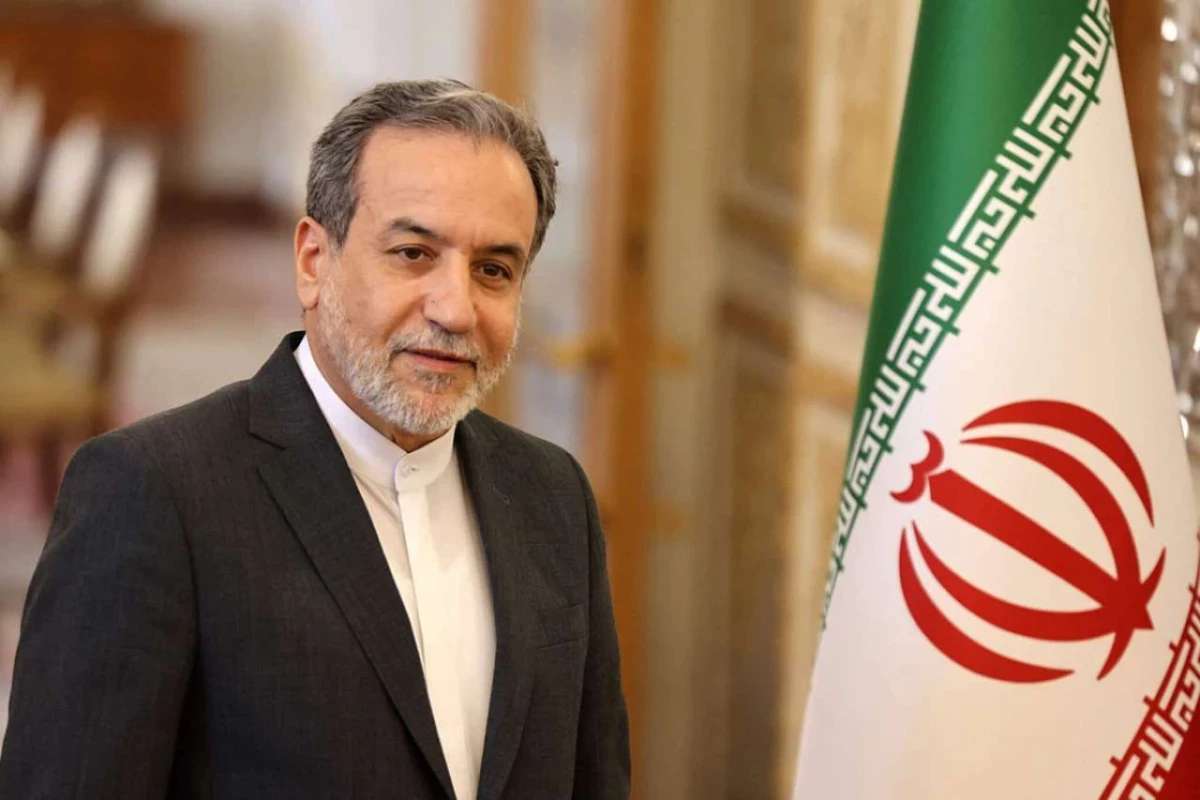
The Strait of Hormuz has become the latest flashpoint in the widening confrontation between Iran, Israel and the United States. Iran’s Foreign Minister Abbas Araghchi said in an interview with a US news outlet that the strategic waterway remains open, rejecting claims that Tehran has shut it to global traffic.
However, Araghchi clarified that the strait is effectively closed to US and Israeli vessels. His comments directly challenge Washington’s narrative that Iran is attempting to disrupt international shipping and isolate itself diplomatically.
Strait of Hormuz Status at Center of Dispute
The Strait of Hormuz carries roughly a fifth of global oil supply. Any suggestion of closure immediately rattles energy markets.
US officials have suggested that Iran’s posture risks blocking international transit routes. Yet Araghchi countered that Tehran is not seeking confrontation with the wider world.
Instead, he framed the situation as a targeted response to US and Israeli military operations. According to him, Iran does not intend to obstruct neutral shipping lanes.
This distinction matters. A blanket closure would trigger global economic consequences and potentially multinational naval intervention. A selective restriction, however, creates legal and strategic ambiguity.
Kharg Island Attack Raises Regional Alarm
Araghchi also addressed the recent US attack on Kharg Island, a vital Iranian oil export hub. He alleged that some missiles used in the strike were launched from locations in the United Arab Emirates.
He claimed those launch points were near civilian districts, calling the situation “very dangerous.” If confirmed, such proximity would heighten the risk of retaliatory strikes affecting urban areas.
Kharg Island remains central to Iran’s energy exports. Therefore, any sustained damage there carries both economic and symbolic weight.
Warning to Gulf States
The foreign minister urged Gulf governments not to allow US forces to use their territory to conduct strikes on Iran. He emphasized that Tehran does not consider itself in confrontation with its neighbors.
However, his warning implies that any territory used as a launch platform could become a legitimate target in Iran’s view. That message places Gulf states in a delicate position between alliance obligations and regional stability.
Economic and Global Implications
The Strait of Hormuz sits at the heart of global energy logistics. Even limited tension in the corridor can push oil prices higher.
For African economies dependent on imported fuel, volatility in Hormuz quickly translates into domestic inflation pressure.
Moreover, shipping insurance premiums often rise when naval risks increase. Trade routes linking Asia, the Gulf, and Africa would feel the impact.
Strategic Messaging Versus Military Reality
Araghchi’s remarks attempt to shape international perception. By stating that Iran is not confronting the outside world, he seeks to counter US framing of the conflict as a global threat.
At the same time, Tehran’s warning to Gulf states signals that escalation could expand geographically if regional actors are perceived as facilitating strikes.
Historically, Hormuz tensions have led to naval brinkmanship rather than full closure. However, each new military exchange increases the risk of miscalculation.
Why This Matters
The Strait of Hormuz remains one of the world’s most critical energy chokepoints. Clarifying its status influences global markets and diplomatic responses.
Iran’s statements suggest selective deterrence rather than total blockade. Yet even selective restrictions challenge established maritime norms.
What Happens Next
Diplomatic channels among Gulf states, Washington and Tehran may intensify to prevent direct confrontation at sea.
Naval patrols are likely to remain heightened in the coming days. Meanwhile, markets will watch shipping flows closely for any signs of disruption.