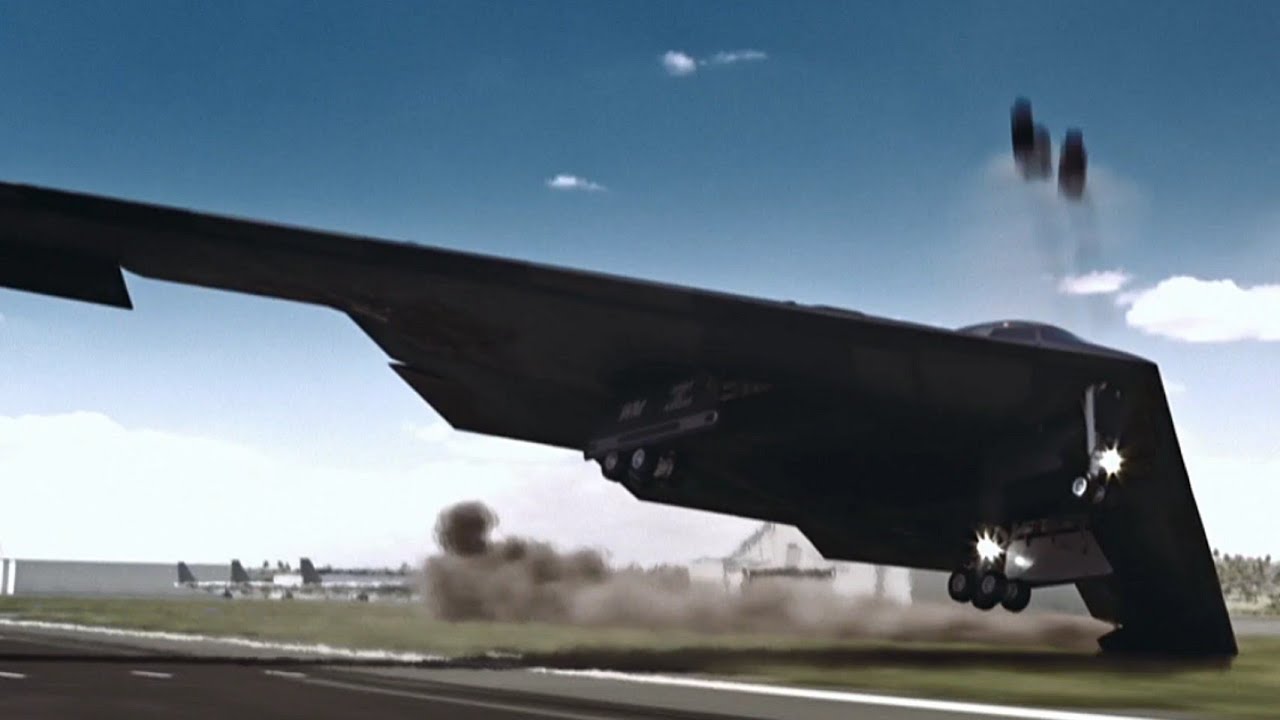
The Spirit of Kansas B-2 crash on 23 February 2008 marked a grim milestone in U.S. Air Force aviation history. Just seconds after takeoff from Andersen Air Force Base in Guam, the stealth bomber—tail number 89-0127—crashed and was completely destroyed. Fortunately, both pilots ejected safely. With a price tag of $1.4 billion (equivalent to nearly $2 billion in 2023), the crash remains the most expensive aircraft accident in history.
This catastrophic event was the first-ever crash of a B-2 Spirit stealth bomber, and one of only two operational losses as of 2024. Operated by the 393rd Bomb Squadron, 509th Bomb Wing out of Whiteman Air Force Base, Missouri, the aircraft had logged over 5,100 flight hours before the accident.
Spirit of Kansas B-2 crash Timeline and Immediate Aftermath
Key Details:
- Date: 23 February 2008
- Location: Andersen Air Force Base, Guam
- Aircraft: B-2 Spirit (Tail Number 89-0127), “Spirit of Kansas”
- Unit: 393rd Bomb Squadron, 509th Bomb Wing
- Crew: Major Ryan Link and Captain Justin Grieve
- Mission: Return to Whiteman AFB after a 4-month Pacific deployment
- Outcome: Total aircraft loss; both crew members survived
- Cargo: Classified materials (no munitions)
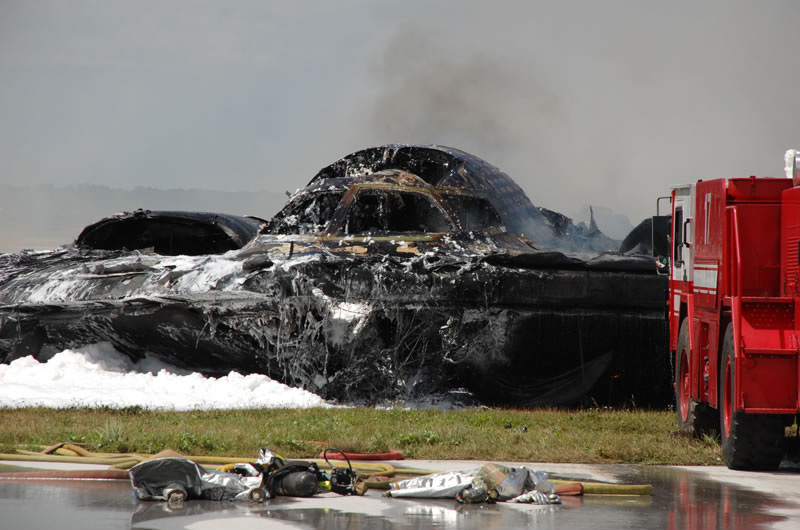
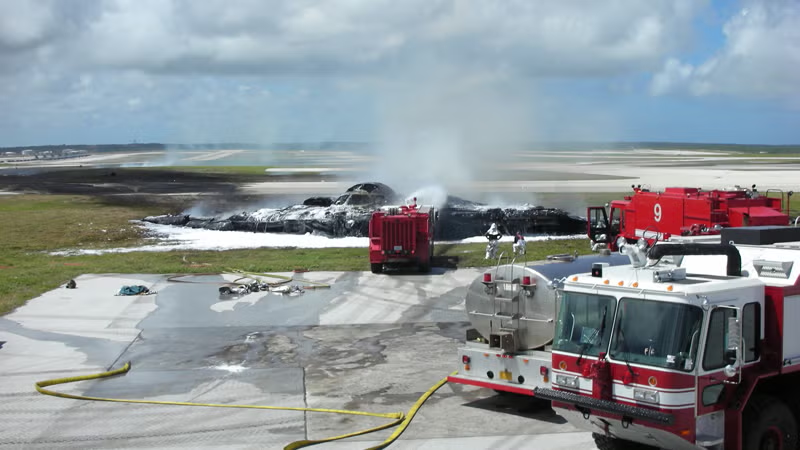
A video later surfaced showing the B-2 taking off, banking sharply, then rolling uncontrollably before slamming into the ground in a fiery crash. One wingtip had grazed the ground during lift-off, causing destabilization. After the fire was extinguished, the aircraft’s forward fuselage was found badly burned and fragmented.
Cause of the Crash: Sensor Condensation and Software Miscalculation
According to the Air Combat Command accident board, the root cause of the Spirit of Kansas B-2 crash was a failure in three pressure transducers used by air-data sensors. These sensors had become saturated with moisture after intense tropical rains.
Chain of Events:
- Sensor Malfunction: Condensation disrupted air-pressure transducers.
- Incorrect Data: Flight computers miscalculated airspeed and angle of attack.
- Premature Rotation: Pilots rotated at 12 knots slower than required.
- Uncommanded Pitch: A sudden 30-degree pitch-up maneuver occurred due to false sensor input.
- Stall and Crash: The B-2 entered an unrecoverable stall, yawed, and crashed.
The airspeed indicators misled the pilots into believing they had reached safe takeoff velocity. When the aircraft’s systems transitioned into airborne control laws, they falsely detected a negative angle of attack, commanding the nose to pitch upward. This resulted in aerodynamic stall at a dangerously low altitude, leaving no time for recovery.
Operational Impact and Grounding of B-2 Fleet
In response to the crash, Brig. Gen. Garrett Harencak ordered a safety stand-down of the entire 20-plane B-2 fleet. Although termed a “safety pause,” the suspension of flying operations allowed time to inspect and recalibrate air-data sensors across the stealth fleet.
During this period:
- A second B-2 already airborne was recalled to Andersen AFB.
- Six B-52 Stratofortresses from Barksdale AFB were deployed as temporary replacements.
- The B-2 fleet resumed operations on 15 April 2008, after all safety procedures were updated.
Spirit of Kansas B-2 crash In Popular Culture
The Spirit of Kansas B-2 crash gained widespread attention and was later featured in Mayday (also known as Air Crash Investigation), Season 22, in an episode titled “Stealth Bomber Down”. The episode delves into the technology, human decisions, and rare flight conditions that led to this historic accident.
Spirit of Kansas B-2 crash Legacy and Lessons Learned
The crash of the Spirit of Kansas fundamentally shifted how the U.S. Air Force handles sensor validation, moisture sealing in sensitive avionics, and pre-flight data integrity checks. It highlighted the delicate balance between advanced stealth technology and environmental vulnerability.
Key takeaways:
- Even billion-dollar platforms are susceptible to minor sensor failures.
- Human-machine interaction, especially in automated flight systems, must include safeguards for bad data.
- Training and rapid ejection procedures saved both crew members’ lives.
As of 2024, only two B-2s have ever been removed from service due to damage: the Spirit of Kansas (crashed) and another B-2 that suffered irreparable fire damage.