How a nuclear bomb is made remains one of the most complex and guarded processes in modern science. Though many hear about uranium enrichment in Iran or North Korea’s nuclear tests, few understand the intricate steps behind building such a terrifying device.
It Starts With Fission: Splitting the Atom
At the core of a nuclear bomb lies nuclear fission, the process of splitting atoms to release massive energy. The fuel? Special isotopes like uranium-235 and plutonium-239, which break apart when struck by neutrons, releasing more neutrons and unleashing a powerful chain reaction.
However, nature doesn’t make it easy. Less than 1% of natural uranium is U-235. Extracting this tiny fraction requires massive centrifuge facilities that spin uranium gas at high speeds. The process is so energy-intensive, it can be detected from space.
Plutonium: The Reactor-Born Alternative
Unlike uranium, plutonium doesn’t naturally occur in useful amounts. It’s created inside nuclear reactors, extracted from spent fuel rods via a complex chemical process. This isn’t backyard chemistry—it’s industrial-level refinement done under tight military and intelligence control.
Beyond Materials: The Art of Bomb Design
Owning enriched uranium or plutonium isn’t enough. The true challenge is building a device that can trigger a controlled explosion. Simply clumping the material won’t work. The material must be precisely shaped and compressed using timed conventional explosives—a technique known as the implosion method.
This design puzzle tormented scientists during the Manhattan Project, and even today it demands supercomputers and mock trials. A slight misalignment and the bomb fails—or explodes prematurely.
The Final Test: Miniaturization and Deployment
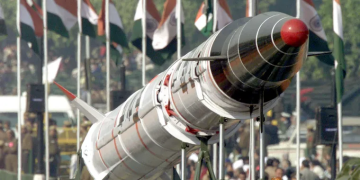
Once the physics works, the warhead must be miniaturized to fit into a missile or aircraft. It must endure violent shaking, stay stable during storage, and detonate with absolute precision. Engineers work tirelessly to make the bomb compact, stealthy, durable, and deadly reliable.
Miniaturization is where decades of research, testing, and national security converge. It’s not just about building a bomb—it’s about making one that can be deployed anywhere, anytime, with devastating effect.
Why It Takes Decades to Build a Nuclear Arsenal
From mining uranium to designing a deliverable warhead, building a nuclear bomb takes years, even decades, and billions of dollars. It also explains the intense scrutiny every time a nation installs new centrifuges or launches a suspicious satellite.
Each step—uranium enrichment, plutonium separation, weapons testing, and missile development—is a red flag in global diplomacy. Nations spy, sabotage, and negotiate over them because they know how close they bring someone to nuclear status.
More Than a Weapon—A Global Bargaining Chip
In the end, a nuclear bomb is not merely a tool of war. It’s a symbol of scientific prowess, national ambition, and geopolitical power. Understanding how a nuclear bomb is made reveals not only the science, but also the madness and diplomacy woven into every step.
Once built, it becomes the world’s ultimate bargaining chip—which is exactly why so many nations try to prevent others from ever getting there.
Source: Adapted from public domain and scientific references on nuclear weapons development.