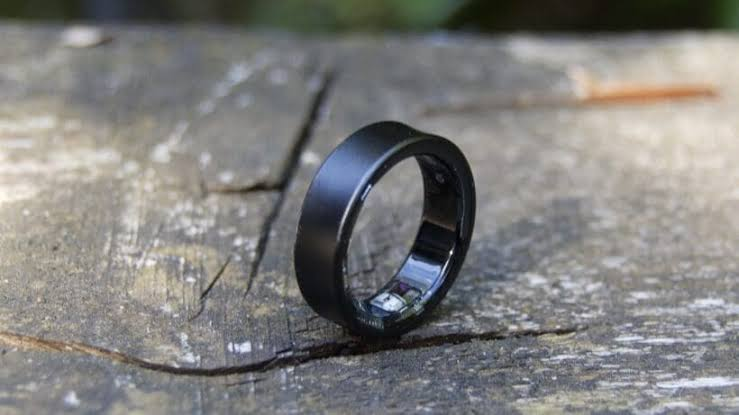
Samsung has confirmed that the Galaxy Ring 2 is in development, giving smart ring fans the clearest sign yet that the company is not walking away from the category after its first-generation Galaxy Ring.
The confirmation came from Dr. Hon Pak, Samsung’s head of Digital Health, who revealed that Samsung is already working on the next generation of its smart ring. While he did not provide a launch date, his comments point to a device focused on longer battery life, upgraded health tracking and a broader ecosystem strategy.
That matters because the original Galaxy Ring was one of Samsung’s most important wearable launches in years. Introduced in 2024, it marked Samsung’s entry into a market long led by Oura and other specialist smart ring companies. Unlike a smartwatch, the Galaxy Ring was designed to be discreet, lightweight and easy to wear continuously, especially during sleep.
Now Samsung appears ready to build on that foundation.
The Galaxy Ring 2 is expected to improve the areas that matter most in a smart ring: comfort, battery life, sensor accuracy and health insights. There is also a major possible twist. Samsung has strongly hinted that future Galaxy Ring support may extend beyond Android and Galaxy phones, potentially opening the door to iPhone pairing.
If that happens, the Galaxy Ring 2 could become much more than a Samsung ecosystem accessory. It could become a direct rival to Oura for users across both Android and iOS.
What Samsung Has Confirmed
The most important confirmed detail is simple: Samsung is working on the next Galaxy Ring.
Dr. Hon Pak confirmed that a new generation of the Galaxy Ring is already in development. He also indicated that Samsung is focusing on improvements that address the natural limitations of the first model.
The next Galaxy Ring is expected to improve battery life. That is one of the most important upgrades because smart rings are designed for continuous wear. Users do not want to charge a ring every day. The longer it lasts, the more useful it becomes for sleep tracking, recovery analysis and long-term health trends.
Samsung is also working on upgraded health tracking. The original Galaxy Ring already monitored sleep, heart rate, skin temperature, activity and wellness indicators through Samsung Health. The Galaxy Ring 2 is expected to go further, with more accurate sensors and stronger AI-driven insights.
Samsung has not yet confirmed the final name, price, launch event, design, size range or exact sensor package. The company has also not officially confirmed a release window. Reports pointing to early 2027 should therefore be treated as rumours for now.
Still, the confirmation that a second-generation model is in development is important. It suggests Samsung sees smart rings as a long-term part of its wearable future, not a one-off experiment.
Why the Galaxy Ring 2 Matters
The Galaxy Ring 2 matters because the smart ring category is still young but growing quickly.
For years, smartwatches dominated wearable technology. They offered notifications, fitness tracking, apps, calls, GPS and health features. But not everyone wants to wear a smartwatch all day and night. Some users find watches bulky during sleep. Others prefer traditional watches. Some simply want a more discreet tracker.
Smart rings solve that problem. They are small, screenless and easy to wear. They are especially useful for passive health tracking because they do not demand attention. A ring does not vibrate with every notification or pull the user into apps. It quietly collects data in the background.
That makes the category attractive for sleep tracking, readiness scores, heart-rate monitoring, recovery insights and general wellness trends.
Samsung entering the market gave smart rings mainstream visibility. The Galaxy Ring 2 could take that further, especially if it improves battery life and expands compatibility beyond Samsung phones.
If Samsung can make the ring more comfortable, more accurate and easier to use across platforms, it could become one of the most important wearable products in the company’s ecosystem.
Longer Battery Life Is the Upgrade Users Want Most
Battery life is one of the most important features of any smart ring.
The original Galaxy Ring offered up to seven days of battery life on larger sizes, with smaller sizes lasting slightly less. That was competitive, but the smart ring market has moved quickly. Some rivals now promise longer endurance, making battery life a key area where Samsung needs to improve.
A longer-lasting Galaxy Ring 2 would be useful for several reasons.
First, it would reduce charging anxiety. Users could wear the ring for more nights without thinking about battery percentage.
Second, it would improve health data continuity. Smart rings are most useful when they collect consistent data over days and weeks. Missing a night of sleep tracking because the battery died can weaken the usefulness of long-term insights.
Third, longer battery life would make the ring better for travel. Users may not always want to carry a charging case or cable for short trips.
Fourth, it would make the device more competitive with Oura, RingConn and other smart ring rivals.
Battery life is not only about capacity. Samsung may improve efficiency through better sensors, lower-power chips, smarter sampling and software optimisation. The challenge is doing that without making the ring larger or less comfortable.
Improved Comfort Could Be Just as Important
Comfort is critical for smart rings.
A smartwatch can be loosened, removed or adjusted during the day. A ring must fit closely enough for accurate tracking but comfortably enough to wear during sleep, exercise and daily life. If it feels too thick, too tight or too noticeable, users may stop wearing it.
The original Galaxy Ring was already lightweight, but Samsung can still improve comfort in the second generation. A thinner body, smoother inner surface, improved sizing system or lighter materials could make a meaningful difference.
Comfort is especially important at night. Many users buy smart rings mainly for sleep tracking. If the ring is uncomfortable during sleep, its most important use case becomes weaker.
Samsung must also balance comfort with durability and battery life. A thinner ring may be more comfortable, but it leaves less room for sensors and battery. A larger battery may improve endurance, but it can make the ring bulkier.
The best smart ring is the one users forget they are wearing. That should be one of Samsung’s biggest goals for the Galaxy Ring 2.
Better Sensor Accuracy Will Define the Health Experience
Samsung is expected to upgrade health tracking on the Galaxy Ring 2, and sensor accuracy will be central to that promise.
The original Galaxy Ring included sensors for heart-rate tracking, skin temperature, movement and sleep-related analysis. These supported Samsung Health features such as Sleep Score, Energy Score, Wellness Tips, heart-rate alerts and automatic walking or running detection.
For the Galaxy Ring 2, Samsung may improve sensor placement, optical tracking, temperature measurement and health algorithms. This could lead to more reliable sleep tracking, better recovery insights and more accurate daily wellness scores.
Accuracy matters because health wearables are only useful if users trust the data. A beautiful ring with unreliable readings will not build long-term loyalty.
Samsung also has an advantage: ecosystem data. A Galaxy Ring can work with Samsung Health, Galaxy Watch and Galaxy phones. When used together, the ring and watch may provide a more complete health picture than either device alone.
The Galaxy Ring 2 could strengthen that approach by offering more precise data from the finger while the Galaxy Watch provides workout and smartwatch functions from the wrist.
Possible iPhone Support Could Be a Game Changer
One of the most interesting hints from Samsung is possible iPhone support.
The original Galaxy Ring was designed around Android and Samsung Health. It worked best inside the Galaxy ecosystem, which made sense for Samsung users but limited its appeal to iPhone owners.
If Galaxy Ring 2 supports iPhone pairing, Samsung could dramatically expand its potential market.
This would be a major strategic shift. Samsung wearables have generally been strongest when paired with Galaxy phones. Opening the Galaxy Ring to iPhone users would make it more of a cross-platform health device, closer to Oura’s model.
Why would Samsung do this?
Because smart rings are different from smartwatches. An Apple Watch is deeply tied to the iPhone, and Samsung’s Galaxy Watch is deeply tied to Android. But a smart ring does not need the same level of app, notification and operating-system integration. It mainly needs to collect health data and sync it to an app.
That makes cross-platform support more realistic.
If Samsung creates an iPhone-compatible Samsung Health experience for the Galaxy Ring 2, it could challenge Oura more directly and attract users who want a screenless health tracker without committing to another smartwatch.
However, Samsung has not formally announced full iPhone support yet. Until it does, this remains a strong hint rather than a confirmed feature.
Why iPhone Support Would Be Unusual for Samsung
Samsung supporting iPhone pairing for the Galaxy Ring 2 would be unusual because Samsung’s wearable strategy has often been designed to strengthen the Galaxy ecosystem.
Galaxy Watches, Galaxy Buds and Galaxy Ring all work best with Samsung phones. Features such as Samsung Health integration, gestures, device finding and Galaxy AI can depend on Samsung software. That gives Galaxy phone users a more complete experience and encourages people to stay within the ecosystem.
Opening the ring to iPhone users would change that strategy slightly.
It could mean Samsung sees smart rings as a broader health platform rather than only a Galaxy accessory. It could also mean the company wants to compete with Oura on equal terms. Oura is not tied to one phone brand, which gives it a wider market.
Samsung may decide that smart rings need scale. The category is still developing, and limiting the product only to Android may restrict growth. If the Galaxy Ring 2 can work well with iPhones, Samsung may attract users who would never buy a Galaxy Watch but are open to a smart ring.
That would be a bold move.
What the Original Galaxy Ring Did Well
The original Galaxy Ring gave Samsung a strong starting point.
It was lightweight, discreet and designed for 24/7 wellness tracking. It came in titanium finishes and used a charging case, making it feel more premium than many basic fitness trackers. It also did not require a subscription for Samsung Health insights, which was a major advantage compared with some rivals.
The first Galaxy Ring focused strongly on sleep. It tracked sleep patterns, movement during sleep, sleep latency, heart rate and respiratory rate. It also supported Samsung’s Energy Score, which used sleep, activity and heart-rate data to give users a daily wellness snapshot.
It also offered heart-rate alerts, automatic walking and running detection, inactive alerts, Find My Ring support and gestures for controlling a Galaxy phone camera or dismissing alarms.
That feature set made it a strong first-generation product, especially for Galaxy users who wanted a screenless health tracker.
The Galaxy Ring 2 does not need to reinvent the category. It needs to refine the original idea.
Where the First Galaxy Ring Needed Improvement
The first Galaxy Ring was promising, but there were areas Samsung could improve.
Battery life was good but not class-leading, especially on smaller sizes. A longer-lasting Galaxy Ring 2 would immediately make the product more competitive.
Compatibility was another limitation. The original model worked best with Samsung phones and Android. iPhone support would make the second generation much more appealing.
Sensor accuracy could also improve. Smart rings sit on the finger, which can be good for certain measurements, but accuracy depends heavily on fit, movement, sensor placement and software algorithms.
The sizing process is also important. Smart rings need precise fit. If the ring is too loose, readings may be less accurate. If it is too tight, it becomes uncomfortable. Samsung may improve sizing options or the sizing kit experience.
Samsung may also improve durability, finish resistance and scratch protection. Rings face more physical contact than watches because they hit surfaces during daily use.
The Galaxy Ring 2 has a clear roadmap: last longer, fit better, track more accurately and work with more phones.
How Galaxy Ring 2 Could Compete With Oura
Oura remains one of the best-known smart ring brands. It has years of experience, a polished app, strong sleep tracking and a loyal user base. Samsung must offer clear advantages if it wants Galaxy Ring 2 to compete strongly.
Samsung’s biggest advantage is its ecosystem. Millions of people already use Galaxy phones, Galaxy Watches, Galaxy Buds and Samsung Health. A Galaxy Ring can become part of that existing setup.
Samsung’s second advantage is no mandatory Samsung Health subscription for core insights. Oura’s subscription model has been controversial among some users. If Samsung continues offering strong health insights without a recurring fee, it can appeal to buyers who dislike subscriptions.
Samsung’s third advantage is hardware scale. The company has the manufacturing, retail presence and marketing power to bring smart rings to mainstream consumers.
Oura’s advantage is focus. It is a dedicated smart ring company with deep experience in sleep, recovery and readiness insights. Samsung must prove that its ring is not only a Galaxy accessory but a serious health wearable.
The Galaxy Ring 2 could close that gap if the health tracking becomes more accurate and the app experience improves.
How Galaxy Ring 2 Could Work With Galaxy Watch
The Galaxy Ring and Galaxy Watch are not necessarily rivals. They can complement each other.
A smartwatch is better for workouts, GPS, apps, notifications, calls, music controls and real-time exercise feedback. A ring is better for discreet, passive, round-the-clock tracking, especially during sleep.
Samsung’s ecosystem can combine the two. A user might wear the Galaxy Watch during workouts and active hours, then rely on the Galaxy Ring for sleep tracking. Or they might wear both for more complete health data.
The original Galaxy Ring already supported a connected Galaxy ecosystem experience. Samsung claimed that using Galaxy Ring and Galaxy Watch together could improve precision and even extend the Ring’s battery life by reducing how much tracking the ring needs to perform alone.
The Galaxy Ring 2 could make this pairing more valuable. Improved sensors and better AI could allow Samsung Health to combine ring and watch data into more useful insights.
That may become Samsung’s strongest health-wearable strategy: the watch for action, the ring for recovery.
AI Health Coaching Will Likely Be Central
Samsung’s Digital Health strategy is increasingly tied to AI.
The company wants to move beyond simple step counts and heart-rate charts. The goal is to turn wearable data into meaningful recommendations. That means interpreting sleep, activity, heart rate, recovery and trends in ways users can understand.
The Galaxy Ring 2 will likely play a role in this AI health coaching vision.
A ring is ideal for passive data collection. It can be worn overnight more comfortably than many watches. It can collect long-term patterns without distracting the user. That data can then feed AI-powered insights in Samsung Health.
Future features may include more personalised wellness tips, better readiness scores, deeper sleep coaching, cardiovascular trend tracking and more proactive health recommendations.
However, Samsung must be careful. Health wearables should not overpromise. These devices are generally wellness tools, not medical diagnostic devices. Insights can be useful, but they should not replace professional medical advice.
The strongest AI health features will be practical, cautious and easy to understand.
Health Tracking Is Not Medical Diagnosis
It is important to be clear about what smart rings can and cannot do.
A smart ring can track patterns such as heart rate, sleep duration, temperature changes, movement and recovery indicators. It can help users notice trends and build healthier routines.
But it is not a doctor. It should not be used to diagnose illness, treat medical conditions or replace professional medical care.
Samsung’s own health disclaimers make this point. Samsung Health features are designed for general wellness and fitness purposes, not for diagnosis, treatment, monitoring or management of diseases.
That distinction will remain important for Galaxy Ring 2.
As health-tracking devices become more advanced, users may be tempted to treat them like medical tools. Samsung will need to communicate clearly that the ring provides wellness insights and trend awareness, not final medical answers.
For users with health concerns, wearable data can be a conversation starter with a healthcare professional, not a substitute for one.
Why Smart Rings Are Becoming Popular
Smart rings are becoming popular because they solve several wearable problems at once.
They are discreet. Many people do not want a screen on their wrist all day.
They are comfortable for sleep. A ring is often easier to wear overnight than a bulky smartwatch.
They have long battery life. Most smart rings last several days per charge, unlike many smartwatches.
They are less distracting. No screen means fewer notifications and less temptation to interact constantly.
They can track health continuously. Because they are easy to wear, users may collect more complete long-term data.
This makes smart rings especially appealing to users focused on sleep, recovery and wellness rather than apps and notifications.
Samsung’s entry into the category gave smart rings broader visibility. The Galaxy Ring 2 could help push the category further into the mainstream.
The Rumoured Early 2027 Launch Window
Reports have suggested that Galaxy Ring 2 could launch in early 2027, but Samsung has not confirmed that timeline.
An early 2027 launch would make sense. The original Galaxy Ring launched in 2024, and Samsung may want enough time to improve hardware, sensors and battery design before releasing a successor. Smart rings are difficult to redesign quickly because size, comfort and battery constraints are tight.
Samsung may also time the Galaxy Ring 2 around a major Galaxy event. A launch alongside a Galaxy S device would make sense because Samsung often uses its flagship phone events to introduce ecosystem accessories. Alternatively, it could appear at a summer Unpacked event alongside foldables and watches.
For now, the safest position is that Galaxy Ring 2 is confirmed to be in development, but the launch date remains unconfirmed.
Buyers who want a smart ring now should not assume a replacement is imminent unless Samsung announces one officially.
Should You Buy the Current Galaxy Ring or Wait?
The answer depends on your needs.
If you already use a Samsung phone and want a smart ring now, the current Galaxy Ring remains a strong option. It offers sleep tracking, Energy Score, heart-rate alerts, gestures, Find My Ring, strong durability and up to seven days of battery life on larger sizes.
If you use an iPhone, waiting may be smarter. The Galaxy Ring 2 may bring broader compatibility, though this is not fully confirmed yet.
If battery life is your top priority, waiting may also make sense because Samsung has pointed to improvements in that area.
If you are sensitive to comfort or sizing, waiting may be useful if the next model becomes thinner or more comfortable.
However, waiting always comes with uncertainty. Samsung has not confirmed the release date, price or full features. The Galaxy Ring 2 could arrive later than expected or launch first in selected markets.
For most Galaxy users, the current ring is still relevant. For iPhone users and early adopters, the Galaxy Ring 2 is worth watching closely.
What Samsung Must Get Right
Samsung has several things to get right with the Galaxy Ring 2.
First, battery life must improve without making the ring bulkier.
Second, sensor accuracy must be stronger, especially for sleep, heart rate and temperature-related insights.
Third, comfort must improve through better sizing, lighter design or refined shaping.
Fourth, iPhone support must be clear if Samsung decides to offer it. Partial support would frustrate users.
Fifth, Samsung Health must become more useful. Data is only valuable if insights are understandable and actionable.
Sixth, Samsung should keep the no-subscription advantage. If the company continues offering core health insights without a recurring fee, it will have a strong selling point.
Seventh, durability and scratch resistance must improve. Rings face daily physical contact in a way watches do not.
Finally, Samsung must explain why users should choose a ring instead of a watch. The answer should be comfort, sleep, battery life and discreet continuous tracking.
What This Means for the Wearables Market
Samsung confirming the Galaxy Ring 2 is important for the broader wearables market.
It shows that smart rings are becoming a serious category, not just a niche experiment. When a company as large as Samsung commits to a second generation, it sends a signal to competitors, developers and consumers.
Oura will remain a major rival. RingConn, Ultrahuman, Amazfit and other brands will continue competing on battery life, price and features. Apple may also eventually enter the smart ring market, though it has not announced such a product.
Samsung’s advantage is scale. It can connect the ring with phones, watches, AI features and Samsung Health. If it adds iPhone support, its market grows even further.
The next phase of wearables may not be about one device replacing another. It may be about multiple lightweight devices working together: a watch for workouts, a ring for sleep, earbuds for voice and glasses for AI assistance.
Galaxy Ring 2 fits directly into that future.
Final Thoughts
Samsung has confirmed that the Galaxy Ring 2 is in development, and that alone is a major statement about the future of smart rings.
The original Galaxy Ring introduced Samsung to the category with a lightweight design, sleep tracking, Energy Score, Samsung Health integration and up to seven days of battery life. The next version is expected to improve where it matters most: longer battery life, better comfort and upgraded health tracking.
The most interesting possibility is iPhone support. If Samsung opens the Galaxy Ring 2 beyond Android and Galaxy phones, it could become a much stronger competitor to Oura and other cross-platform smart rings.
There is still a lot Samsung has not confirmed. The release date, final design, price, sensor package and compatibility details remain unknown. The rumoured early-2027 launch window is possible, but not official.
Still, the direction is clear. Samsung sees smart rings as part of its long-term digital health strategy. The Galaxy Ring 2 will not only be a hardware upgrade. It will be a test of whether Samsung can turn a first-generation wearable into a serious health platform.
For now, the Galaxy Ring 2 is real, but the full reveal is still ahead.
FAQs About the Galaxy Ring 2
Is Samsung making the Galaxy Ring 2?
Yes. Samsung has confirmed that a new generation of the Galaxy Ring is in development. Dr. Hon Pak, Samsung’s head of Digital Health, confirmed that the company is already working on the next model.
When will the Galaxy Ring 2 launch?
Samsung has not confirmed a launch date. Earlier reports have suggested an early 2027 window, but that remains a rumour. The official release date will only be clear when Samsung announces the product.
What upgrades will the Galaxy Ring 2 have?
Samsung has pointed to longer battery life and upgraded health tracking. Rumours also suggest improved comfort, better sensor accuracy and a thinner or lighter design, but the full specification list has not been confirmed.
Will the Galaxy Ring 2 work with iPhone?
Samsung has strongly hinted at wider compatibility, including possible iPhone support, but has not officially confirmed full iOS pairing details. If iPhone support arrives, it would be one of the biggest upgrades over the original Galaxy Ring.
How long will the Galaxy Ring 2 battery last?
Samsung has said battery life will improve, but it has not provided a number. The original Galaxy Ring offered up to seven days on larger sizes, so users will expect the Galaxy Ring 2 to go beyond that.
How long does the current Galaxy Ring battery last?
The original Galaxy Ring offers up to seven days of battery life on larger ring sizes, while smaller sizes may last slightly less. Battery life depends on ring size, usage and settings.
What health features could Galaxy Ring 2 include?
Expected features include improved sleep tracking, heart-rate monitoring, skin-temperature tracking, activity analysis, readiness or energy insights and AI-powered wellness guidance. Samsung may also improve cardiovascular-related tracking, though exact features are not confirmed.
Will Galaxy Ring 2 replace Galaxy Watch?
No. The Galaxy Ring 2 is not expected to replace the Galaxy Watch. The ring is better for discreet 24/7 tracking and sleep, while the watch is better for workouts, GPS, apps, notifications and display-based features. The two devices may work together.
Will the Galaxy Ring 2 require a subscription?
Samsung has not announced subscription details for Galaxy Ring 2. The original Galaxy Ring integrated with Samsung Health without a mandatory subscription for core insights, which was one of its advantages over some competitors.
Should I wait for Galaxy Ring 2?
Wait if you want possible iPhone support, better battery life or improved comfort. Buy the current Galaxy Ring if you use a Samsung phone and want a smart ring now. The Galaxy Ring 2 launch timing is still not official.
Is Galaxy Ring health tracking medical-grade?
Galaxy Ring features are designed for general wellness and fitness tracking. They are not intended to diagnose, treat or monitor medical conditions. Users with health concerns should speak to a qualified healthcare professional.
What colours will Galaxy Ring 2 come in?
Samsung has not announced Galaxy Ring 2 colours. The original Galaxy Ring launched in Titanium Black, Titanium Silver and Titanium Gold. Samsung may keep similar finishes or introduce new options.
What sizes will Galaxy Ring 2 offer?
Samsung has not confirmed Galaxy Ring 2 sizing. The original Galaxy Ring was sold in multiple sizes with a sizing kit to help users choose the correct fit. A similar approach is likely, but not confirmed.
Why is Samsung making another smart ring?
Samsung is investing in digital health and wearable AI. A smart ring gives the company a discreet device for continuous health tracking, especially during sleep. Galaxy Ring 2 helps Samsung compete with Oura and strengthen the Samsung Health ecosystem.
Read Also: Samsung Reportedly Rejects BOE Panels for Galaxy S27