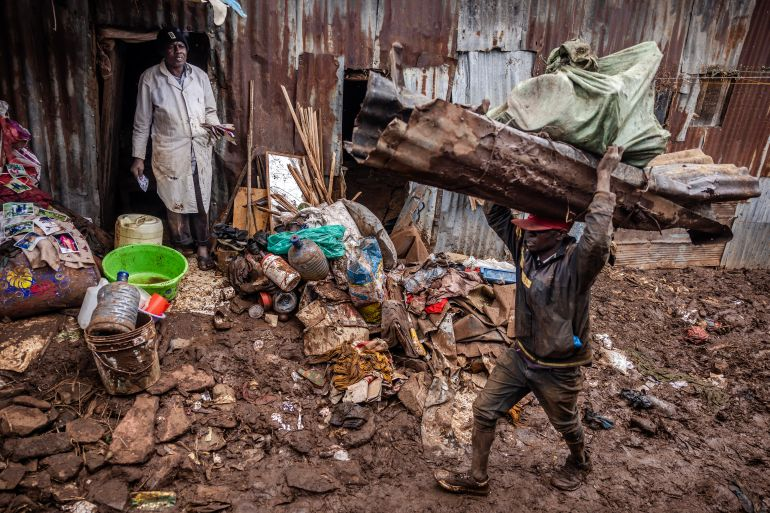
Since mid-March, heavy rainfall and flooding have severely impacted Kenya, resulting in at least 70 deaths, with the number of fatalities having doubled earlier this week following torrential rains that claimed 32 lives in Nairobi alone. The Kenyan government, through spokesperson Isaac Mwaura, confirmed the updated death toll, highlighting the devastating effects of climate phenomena in the region.
The floods have displaced over 120,000 people and caused injuries to 22 others, with eight individuals reported missing. The government has responded by allocating 3.3 billion Kenyan shillings ($24.5 million) for initial emergency efforts, which will focus on infrastructure repair, emergency housing, and food assistance. Notably, nearly a third of Nairobi’s public schools have been substantially affected by the flooding.
Despite these challenges, Deputy President Rigathi Gachagua assured that the schools would reopen as scheduled after the mid-term holidays. Authorities are urging the public to remain vigilant as more heavy rains are expected in the coming days, driven by the monsoon season and exacerbated by the El Niño weather pattern.
The situation is not isolated to Kenya, as neighboring East African countries have also suffered significant losses due to similar weather conditions. In Tanzania, Prime Minister Kassim Majaliwa reported that flooding and landslides have killed at least 155 people and affected over 200,000, damaging homes, crops, and key infrastructure. Burundi has seen about 96,000 displacements due to ongoing rains, and Somalia has experienced intensifying seasonal rains causing flash floods that have impacted hundreds. Uganda too has faced destructive storms resulting in fatalities and displacement.
This regional crisis underscores the vulnerability of East Africa to extreme weather events, which are becoming increasingly frequent and severe due to climate change. The international community and local governments are coordinating relief and recovery efforts, but the scale of the disaster calls for continued vigilance and prepared support mechanisms.